
Anodizing Equipment Factory Essentials: What to Evaluate Before Partnering
2026-10-10
Most anodizing equipment looks identical on paper—until you visit the factory and spot the small differences that determine lifespan and finish quality. Whether you're upgrading a line or building from scratch, the evaluation process is where costly mistakes hide. Here's a practical checklist from Junda to help you separate genuine capability from polished sales pitches.
Can Their Line Handle Your Alloy Mix Without Rework Loops?
Every alloy mix brings its own quirks—trace elements, scrap ratios, and melt temperatures all shift how a line behaves. The real question isn't whether the equipment looks modern on paper; it's whether the people running it can adjust on the fly without sending a batch back through the furnace. A line that needs a full rework loop after a slight composition drift will quietly eat your margin.
Rework loops usually start small: a missed additive, a wrong holding time, or a furnace that runs hotter than the spec allows. Each loop costs energy, labor, and scheduling capacity that could have gone into the next order. If their setup forces you to blend conservatively or hold inventory longer just to avoid rework, then the line isn't really handling your mix—it's dodging it.
Look for evidence of live process control, not just a certificate on the wall. Ask how they handle a mid-run alloy switch or a jump in scrap percentage. The lines that pass this test tend to have tight feedback between spectrometry, dosing, and temperature control—so corrections happen in minutes, not in another melt cycle.
Why a Missed Anodizing Deadline Costs More Than the Invoice
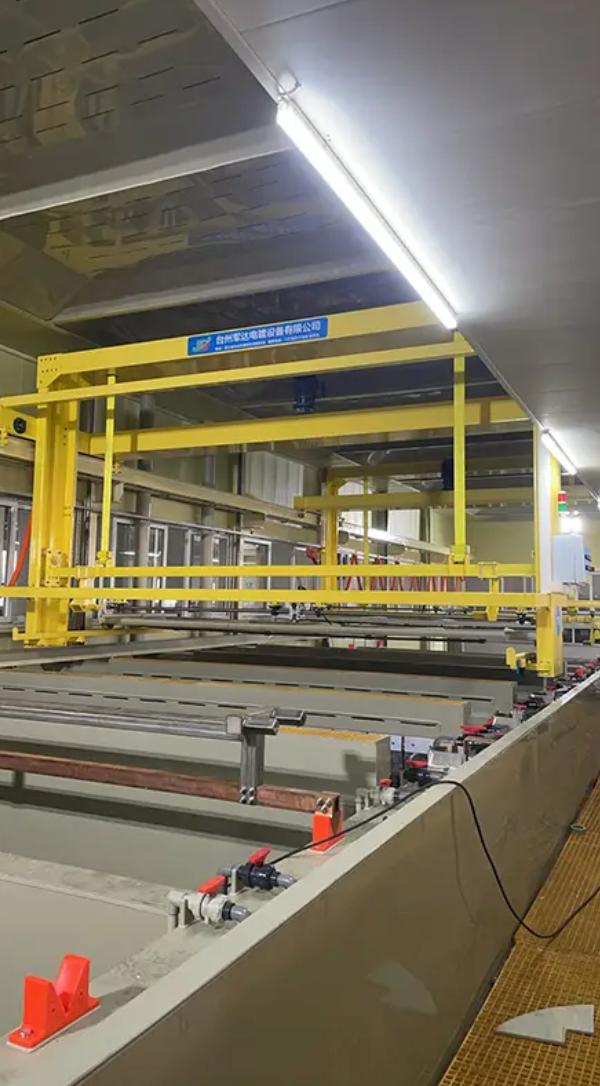
When an anodizing run slips past its promised date, the financial damage rarely stops at the line item you were quoted. Production schedules downstream start to unravel: machined components sit idle waiting for surface treatment, assembly cells go quiet, and shipping commitments to your own customers get pushed back. Each idle hour carries labor and overhead that were already budgeted, and expediting freight to recover lost time often costs several times the original coating charge.
Then there is the less visible expense of rework and quality risk. Rushed anodizing jobs—whether from overtime shifts or squeezed process windows—tend to show higher rejection rates for dye inconsistencies, thin spots, or poor sealing. Sorting, stripping, and re-coating parts multiplies the effective cost per piece, and if defects slip through to a customer, the cost of a returned batch dwarfs any initial savings from choosing a low-bid shop.
Finally, the relationship cost lingers long after the invoice is paid. A missed deadline for anodized parts can trigger penalty clauses in your own contracts, erode buyer confidence, and push future orders toward competitors who demonstrate on-time delivery. In custom manufacturing, the true price of a late batch is not measured in dollars billed for the coating, but in lost capacity, compromised quality, and reputational wear that no line item can capture.
Look Past the Brochure: Testing a Factory’s Quality Grit
Glossy brochures and polished websites can make any factory look like a champion of quality. The real test happens when you walk the floor, ask uncomfortable questions, and watch how problems get handled. A factory that truly cares about quality won’t hide behind a marketing team — it will invite you to poke at the weak spots. Start by ignoring the sample room and heading straight to the production line where the daily mess lives.
Put the factory under pressure with a small, rushed order that includes a deliberately tricky specification. Watch whether they catch the issue before it becomes a defect, or whether they push it through and hope you won’t notice. Talk to the line workers, not just the sales manager. Ask how often they stop the line for quality checks, what happens to rejected parts, and whether they can show you their actual rejection records from last month. A factory with real grit will have dog-eared logs, not a spotless binder prepared for visitors.
Quality grit isn’t about a single inspection or a fancy certificate on the wall. It shows up in the way a factory recovers from mistakes, trains new hires, and treats a customer’s long-term reputation as their own. The best suppliers won’t just answer your questions — they’ll surprise you with questions about your end-user, your tolerance limits, and your past failure modes. That’s when you know the brochure was never the point.
When ‘Custom’ Means More Than a Changed Dimensional Drawing
Most engineers hear “custom” and immediately picture a standard part with a couple of numbers tweaked on the drawing. A longer shaft here, a wider flange there. But that misses the point entirely. True customization starts when the application refuses to be crammed into an existing envelope, and the manufacturer has to rethink how the component behaves under load, how it interfaces with surrounding machinery, and what failure modes suddenly become possible. That shift in thinking rarely shows up on a dimensional print.
There is a world of difference between adjusting a tolerance and redesigning a bearing’s internal clearance to survive a shock load that no off-the-shelf unit was ever rated for. Or re-specifying a seal material because the “standard” compound swells in the customer’s coolant within forty-eight hours. These decisions require material science, tribology, and a working knowledge of the entire assembly — not just CAD skills. The best custom work often starts with a conversation about what the part must never do, rather than what it should measure.
The customers who benefit most from this approach are the ones who have already burned through two or three “custom” parts that failed because the supplier only changed a dimension. They want a partner who asks about duty cycle, temperature spikes, and shaft deflection — then delivers a part that looks nothing like the original drawing but works flawlessly for years. That is when custom stops being a marketing word and becomes an engineering discipline.
After-Sales Support: The Unspoken Warranty on Your Production Line
When machinery is purchased, buyers study specs and compare prices. But the real guarantee often lies in what happens after the invoice is paid. After-sales support acts as an invisible warranty that doesn't expire when the equipment leaves the factory. It covers the inevitable: a misaligned sensor, a software hiccup, a part that wears out sooner than expected. Without it, a production line can stall for days while someone hunts for a manual or waits on a generic hotline.
Strong after-sales support means having people who know your specific setup, not just reading from a script. It's the difference between a technician who arrives with the right spare part and one who spends the morning diagnosing. This kind of backup doesn't show up in a brochure, but it determines whether your line runs at 95% capacity or limps along at 60%. It's the quiet reason some factories recover from breakdowns in hours while others lose entire shifts.
Consider it an insurance policy that pays out in uptime. The best vendors treat after-sales as part of the product, not an add-on. They track your equipment's history, suggest preventive maintenance before failures happen, and answer calls like they mean it. When production stops, that unspoken warranty is the only thing standing between a minor annoyance and a missed delivery deadline.
Does Their Floor Layout Reveal Process Discipline?
The layout of a factory floor tends to be a fairly honest record of how work actually flows. When you see materials staged close to the point of use in small, clearly marked quantities, and tools returned to the same shadow board after every shift, that's not accidental—it's a sign of routines being followed without constant supervision. You can spot discipline in the absence of forklift traffic cutting through assembly areas, in visual controls that haven't faded into background noise, and in buffer sizes that stay constant instead of ballooning near problem stations. A floor that holds its shape day after day says more about process adherence than any procedure manual.
That said, reading discipline from layout requires looking at the right details. A spotless floor can coexist with sloppy changeovers, just as a cramped old facility can hide extremely rigorous batch discipline. The real tells are often in how the space responds to variation: whether out-of-sequence parts get a defined quarantine area, whether rework is pushed to a visible red-tag zone instead of shoved under a bench, and whether team leads can see the entire line at a glance. If the layout forces problems into the open rather than allowing them to be hidden, that's a strong signal the underlying process has real discipline. It's not the straightness of the lines or the paint on the floor; it's whether the physical space supports the intended sequence and makes deviations immediately obvious.
FAQ
Don't rely on brochures or claimed annual output. Ask for order records from the past twelve months showing tank sizes, rectifier specifications, and delivery dates. If possible, walk the production floor and check whether the cranage, tank fabrication area, and assembly bays can handle multiple large jobs at once. Also look at their in-house testing rigs—if they only build to order and never run a full line before shipping, that's a warning sign.
ISO 9001 is a baseline, but for export projects you should also ask about CE marking for electrical panels, UL-listed components, and local environmental permits for welding fumes, acid mist handling, and wastewater treatment. A factory that cannot show third-party inspection reports for pressure vessels or rectifier safety is not ready for serious partnerships.
Standard tanks and rectifiers rarely match your specific racking density, alloy mix, or film thickness targets. A good factory will ask about your workpiece geometry, bath temperature range, and required current ripple before quoting. If they push a fixed catalog model without discussing cathode placement or agitation design, walk away.
If their QC stops at visual inspection of welds, that's not enough. Ask to see non-destructive test records for critical joints, full-water tank deformation data, and rectifier burn-in logs. Also check whether they calibrate their measuring tools regularly. Missing process records usually means you'll be the one discovering defects after installation.
Ask for a written response-time commitment, remote troubleshooting capability, and a list of critical spare parts they stock locally or can ship within 48 hours. Get the hourly rate for on-site service after warranty and the price of common consumables like heater elements and sensors written into the contract. If they hesitate, the support cost will surprise you later.
Focus on the welding area first—clean jigs, organized material racks, and proper fume extraction tell you a lot about discipline. Walk to the testing bay and see if a complete line is actually running under load. Talk to a technician, not just the sales manager, and ask how they handle ripple control or bath temperature overshoot. Their answer reveals whether engineering knowledge runs deep or just marketing.
It's often the difference between a five-year line and a fifteen-year line. Sulfuric acid tanks typically need PP or PVC with specific thickness and UV stabilizers, while hot sealing tanks may require stainless steel or specialized coatings. Ask the factory to show material certificates and explain why they chose a particular grade for each bath. Avoid anyone who just says 'imported materials' without specifics.
Request contact details for at least three past customers with similar line sizes and ask for site photos or commissioning reports. Find out how the factory handled delays, missing parts, or electrical issues during installation. A reliable partner will share references openly and even arrange a call with an existing client—not hide behind confidentiality excuses.
Conclusion
Before partnering with an anodizing equipment factory, dig into whether their line can actually handle your specific alloy mix without forcing rework loops. Many shops claim broad capability, but the real test is how they manage voltage ramps, bath chemistry, and racking for mixed 6061, 7075, or cast alloys on the same shift. A missed anodizing deadline rarely ends at the late invoice; it ripples into your machining queue, assembly stops, and customer penalties. So ask for live run data or a trial batch, not just a brochure. Equally important is whether their definition of “custom” goes beyond changing a dimension on a drawing. Custom should mean tailoring tank spacing, agitation patterns, and rectifier profiles to your part geometry, not just resizing a frame.
Look past polished marketing: walk the floor and observe layout discipline. Are racks staged away from chemical drips? Is there a clear one-way flow from racking to anodize to seal, or do carts double back through rinse stations? That physical order tells you more about quality grit than any ISO certificate. After-sales support is the unspoken warranty on your production line—check whether they stock critical spares locally, offer remote troubleshooting for rectifier faults, or send a technician without a fight. A factory that treats installation as the end of the relationship will eventually cost you in downtime. Evaluate their response time, spare-part lead times, and willingness to train your operators. Partnering well means choosing a factory whose floor habits and after-sales reflexes match the reliability your own customers expect from you.
Contact Us
Contact Person: hayyr
Email: [email protected]
Tel/WhatsApp: 8613082110525
Website: https://www.jundaelectroplating.com