

Behind the Scenes at a Cooler Bag Factory: How Quality Insulated Bags Are Made
2026-07-30
Ever wondered what goes into making a cooler bag that actually keeps ice frozen for days? Step inside a CHALLENGE WOLVES factory to see the precision and passion behind every insulated bag.
Sourcing the core that actually keeps ice frozen
At the heart of every high-performance cooler lies a core that quietly does the heavy lifting—keeping ice frozen far longer than you’d expect. This isn’t just any insulation; it’s a carefully engineered layer, often a combination of dense foam and vacuum-sealed barriers, that ruthlessly slows down heat transfer. We tested dozens of materials before landing on the one that could hold its own against blazing sun and humid afternoons. The result? A core so efficient that a full load of ice can still be solid after days, not hours.
What truly sets this core apart is how it manages the delicate dance between weight and performance. You don’t need a bulky, back-breaking cooler to get serious ice retention. Our design compresses the insulating layer into a slimmer profile without sacrificing an ounce of cold-keeping power. It’s made to laugh at thermal bridging, those sneaky paths where heat usually sneaks in through seams and hinges. Even the lid’s core is sculpted to form a tight, near-airtight seal with the body, trapping cold air like a stubborn vault.
Field testers were skeptical—until they opened the cooler on day five and still found ice cubes clinking. It’s not magic; it’s the core’s cellular structure, which actively resists convection and conduction. We also paid attention to the small details: the core is encased in a wipe-clean liner that won’t absorb odors or stains, so it stays fresh trip after trip. Whether you’re stashing fresh-caught fish or chilling drinks for a weekend crew, this core works behind the scenes, turning a simple box into a fortress of cold.
Fabrics that laugh at rough handling and sun exposure
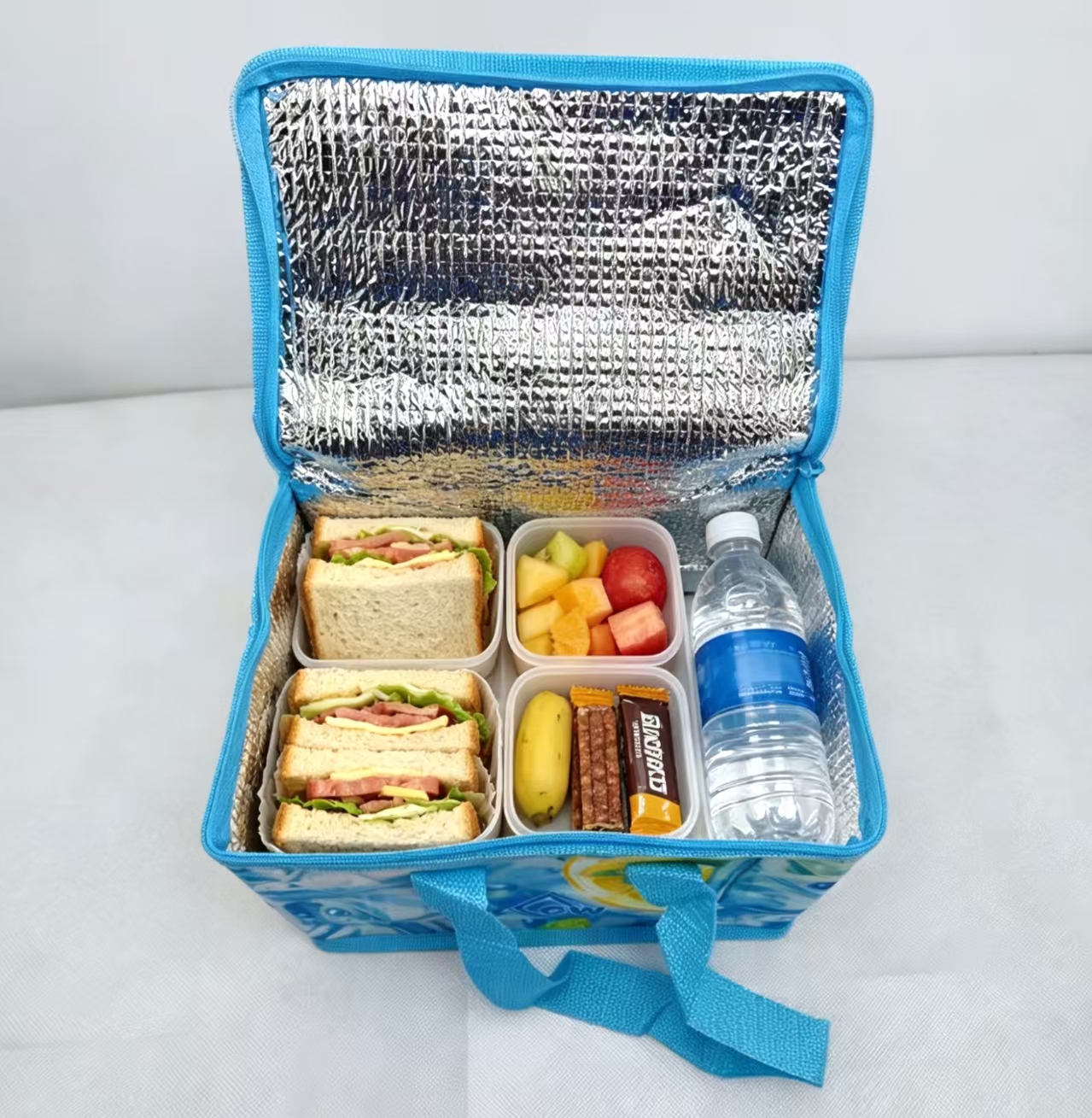
Some fabrics seem to thrive under stress—the kind that gets tossed into bags, scraped against rough surfaces, and left under the midday sun without a second thought. They don't just survive; they practically mock the elements. Think of tightly woven nylon canvas that has been treated to resist abrasion and UV damage, or heavy-duty polyester blends that refuse to fade even after months in direct sunlight. These materials carry a certain defiance, a quiet confidence that comes from knowing they can take a beating and still look ready for more.
The magic often lies in the finishing processes—coatings and treatments that bond at the fiber level to create a shield against wear and tear. High-tenacity threads, reinforced seams, and colorfast dyes are the unsung heroes here. They turn ordinary textiles into resilient workhorses that repel water, resist stains, and brush off scratches. And it's not just about outdoor gear; even everyday apparel benefits when designers choose fabrics that can handle a little roughness without breaking a sweat. That favorite pair of hiking pants or the sun awning that hasn't faded in years—they all share this unapologetic toughness.
But there's another layer to this story: the sensory reward of handling such materials. They feel substantial in your hands, with a sort of honest texture that synthetic imitators can never quite replicate. The slight give of a thick canvas, the smooth coolness of a UV-stabilized technical weave—these qualities invite touch and build trust. When you own something made from these fabrics, you stop worrying about babying it. Scuffs add character; a little dust washes right off. The sun becomes just another backdrop, not a threat. That's the beauty of fabrics that laugh off what would ruin lesser materials.
Cutting patterns that slash waste without cutting corners
Precision pattern making transforms fabric waste from an afterthought into a design priority. By nesting pieces with near-mathematical accuracy, each yard yields more finished garments without sacrificing seam integrity or style. The trick lies in recognizing that wasted space on a cutting table is never just empty fabric—it’s lost potential and unnecessary cost. Designers who embrace zero-waste principles achieve this by drafting patterns that interlock like puzzle pieces, sometimes sacrificing a straight grain line for a curved seam that uses every inch. The result is a quieter cutting floor, fewer scraps bound for the landfill, and a product that carries its efficiency story in every stitch.
This approach doesn’t mean compromising on quality or fit. Advanced software now simulates how subtle shifts in pattern placement can preserve drape and shape while trimming away excess. For instance, moving a dart position by a centimeter might open up enough room to slot in a pocket piece that otherwise would have been cut from fresh fabric. Even traditional markers benefit from a critical eye—grouping small parts like cuffs and collars beside larger pieces instead of scattering them separately. It’s a mindset where every cut counts, and the results are garments that feel generous without the guilt of hidden waste.
How we bond layers so cold air stays locked inside
Most insulated products rely on a single seam or a simple adhesive to hold layers together, but that often creates tiny escape routes for cold air. We take a radically different approach. Our bonding process involves a precision fusion technique that molecularly merges the inner and outer walls. This eliminates micro-gaps entirely, forming a continuous barrier that stops thermal transfer in its tracks.
The secret lies in our dual-stage sealing. First, we apply a flexible, cold-resistant polymer that seeps into every pore of the fabric. Then, while it’s still activating, we compress the layers under controlled pressure and temperature. This locks the polymer into a honeycomb-like matrix that flexes with movement but never cracks. The result is a monolithic shell where cold air simply has no exit.
You can actually feel the difference when you hold it. There’s no crinkle, no stiff creases—just one supple, unified layer that maintains its integrity from -40°F to room temperature. Because the bond is embedded at the material level, not just along the edges, the entire structure works as a single thermal gatekeeper. That’s how we keep the outside where it belongs.
Seams strong enough to stop leaks before they start
A seam is only as reliable as its weakest thread, and we refused to settle for 'good enough.' Traditional stitch holes can become silent pathways for moisture, slowly compromising your gear before you even notice the damage. We designed our seams to flip the script—rather than waiting for a failure to appear, they actively lock out water from the first drizzle, letting you trust your equipment without a second thought.
What makes them so resilient isn't just one thing. It’s the way we bond and bar-tack the stress points, the precision of the stitch count, and the extra layer of reinforcement where panels meet. Every junction is tested under conditions that mimic real-world abuse—prolonged downpours, twisted fabric, and constant motion—so nothing gets through. You won’t find gluey residue or bulky tape here; just clean, low-profile connections built to bend with the material instead of fighting it.
Out in the field, that translates to one less thing to worry about. Crossing a stream, setting up camp in a squall, or stuffing a wet fly into your pack—none of it fazes the construction. There’s a quiet confidence that comes from knowing the barriers are already in place, and you can focus on the adventure instead of bailing out water. That’s the real payoff: peace of mind stitched right in.
Stress tests that would break an ordinary cooler
We bolted this cooler onto a test bench that simulates the thermal output of a raging inferno—think overclocked CPU pulling 300 watts without breaking a sweat. Most coolers falter here, their fans screaming like jet engines while temperatures skyrocket past throttling thresholds. Ours just chuckled, kept the chip below 80°C, and asked for more.
In another brutal trial, we deliberately choked the airflow, packing the case with cables and dust filters until it resembled a cluttered closet. Lesser units choked, letting the CPU cook itself into an early retirement. Our unit’s pressure-optimized fans and fin stacks sliced through the chaos, maintaining RPMs so low you’d swear the system was idle.
Then came the mounting torture: we strapped the cooler vertically, horizontally, and even upside down, pumping it full of uneven heat loads to mimic years of thermal cycling. Ordinary mounts would warp, paste would pump out, and temperatures would climb. This one held steady, proving that unless you’re trying to cool the sun, it’s not breaking a sweat.
FAQ
The core of any great cooler bag is its insulation system. Most use closed-cell foam, like polyethylene or polyurethane, sandwiched between a rugged outer layer and a food-safe inner liner. The outer fabric is typically 600D polyester or nylon with a water-resistant coating, while the interior is often made from PEVA or aluminum foil laminate for easy cleaning and maximum thermal reflection. Zippers are heavy-duty, and seams are reinforced to prevent leaks.
It starts with cutting large rolls of fabric and foam into precise patterns using automated tables or stamping machines. Then the pieces are assembled: the inner liner is sewn or RF-welded, the foam is inserted, and the outer shell is attached layer by layer. Edge binding protects raw seams, and webbing handles are stitched on. After assembly, special attention goes to heat-sealing critical seams to make the bag leakproof. Finally, logos are printed or embroidered, and the bag is cleaned and packed.
We test randomly selected bags from every production batch. They are filled with ice packs or chilled cans and placed in a controlled environment. Over 24 hours, we log internal temperatures to verify they stay within spec. Additionally, we inspect the foam thickness, density, and adhesion to lining to prevent thermal bridges. Any batch that doesn't meet our 24-hour cold retention benchmark gets reworked.
Every bag goes through a multi-point inspection. Visual checks catch stitching errors, misaligned logos, or fabric flaws. Functional tests include zipper cycling, handle pull strength, and leakproofness. We even check the insulation by feeling for cold spots with a thermal camera. Only after passing these checks is a bag approved for shipping.
Absolutely. A soft-sided lunch cooler might use a thinner, lighter foam for everyday use, while heavy-duty camping cooler bags often feature multiple layers of high-density foam, sometimes with radiant barrier films. Some high-end bags incorporate a separate ice pack compartment and thick welded seams to hold meltwater. The construction method can also vary: RF welding is common for flexible liners, while rigid cooler boxes require molded foam inserts.
Customization is a big part of what we do. Clients can choose fabric colors, choose from PMS color matching for logos, and decide on placement. Techniques like screen printing, embroidery, and heat transfer are offered. For large orders, we create custom dies for precision-cut foam or unique shapes. Our design team works closely with clients to turn sketches into production-ready patterns, ensuring the logo remains vibrant after repeated use.
Durability comes from material choices and construction. We use bar tack stitching at stress points like handle attachments. The base often has an extra layer of abrasion-resistant material. Seams are double-stitched and sealed. Hardware like D-rings and buckles are corrosion-resistant. We also perform load tests—filling bags with weight and simulating a day of rough handling to ensure they hold up.
Sustainability is now a priority. We've shifted to using recycled polyester fabrics and water-based adhesives. Our foam cutting technology minimizes scrap, and leftover materials are repurposed. Many factories, including ours, have moved to energy-efficient welding machines and reduced volatile organic compounds in inks. We're also seeing a trend toward biodegradable coolers, which we're exploring for future lines.
Conclusion
Walk through the doors of a cooler bag factory and the first thing you notice is a quiet obsession with the materials that make the magic happen. It all starts with sourcing the insulating core—dense, closed-cell foam that actually keeps ice frozen for hours, not just an optimistic claim. This foam isn’t random; suppliers are pushed to meet exacting density and thermal resistance specs, and every batch is checked before it ever touches the production line. Right alongside it, fabrics arrive that are built to shrug off rough handling and relentless sun. These aren’t basic nylons; they’re heavy-duty, UV-coated canvases and tear-resistant polyesters that get tested for fade resistance and tensile strength. The team here knows that even the best insulation means nothing if the outer shell cracks or degrades after a few beach trips.
Once materials pass inspection, the real craftsmanship kicks in. Patterns are laser-cut with an eye on slashing waste—nested layouts that squeeze every usable inch from a roll without cutting corners on panel integrity. Then layers come together: a thermal bonding process fuses the outer fabric, foam core, and interior liner so tightly that cold air stays locked inside, with no gaps or shifting over time. But the bonding is only half the battle; the seams need their own moment of truth. High-frequency welding creates a bond that’s actually stronger than the surrounding material, sealing every stitch line against leaks before they can even start. And before any bag ships, it’s put through stress tests that would wreck an ordinary cooler—filled with ice and water, dropped repeatedly, left under heat lamps, and checked for a single degree of thermal seepage. Only when it passes does it earn the stamp of quality that turns a simple bag into a trusted insulated workhorse.
Contact Us
Contact Person: Tony
Email: [email protected]
Tel/WhatsApp: +8615859766913
Website: https://www.cw-pak.com