

Best Fanfold Corrugated Cardboard Sheets: Top Recommendations for Shipping and Storage
2026-06-02
When it comes to efficient shipping and organized storage, fanfold corrugated cardboard sheets are a game-changer. But with so many options out there, how do you choose the right one? From custom sizing to eco-friendly materials, the perfect sheet can streamline your operations and protect your goods. That’s where ShiTeng Packaging comes in—offering top-quality solutions that stand out in a crowded market. Let’s explore the best recommendations to help you make an informed decision.
Why Fanfold Corrugated Sheets Beat Standard Boxes
Ever tried fitting an odd-shaped item into a standard box and ended up with a frustrating mess of void fill and wasted space? Fanfold corrugated sheets flip that problem on its head. Instead of being locked into fixed dimensions, you can cut, fold, or wrap the material to match the exact contours of whatever you're shipping. This flexibility means you use only what you need, slashing both material waste and dimensional weight charges from carriers.
Standard boxes also force you to carry a sprawling inventory of sizes just to handle different products. One day you're shipping a framed picture, the next a bulky engine part — and neither fits neatly into your existing stock. Fanfold sheets collapse that complexity. A single stack of corrugated gives you the ability to create custom-sized protection on demand, so you're not stuck ordering, storing, and managing dozens of SKUs that might sit idle for months.
Beyond the practical perks, there's a quiet durability advantage. Typical boxes have scored corners and pre-creased folds that weaken under repeated stress or high humidity. Fanfold material, when formed into a protective wrap or layered into a custom pad, often holds up better because the bends are made in real time using flat, uncompromised board. It's a simple shift in thinking that turns packaging from a rigid chore into a responsive, money-saving system.
Material Matters: What to Look for in Durability
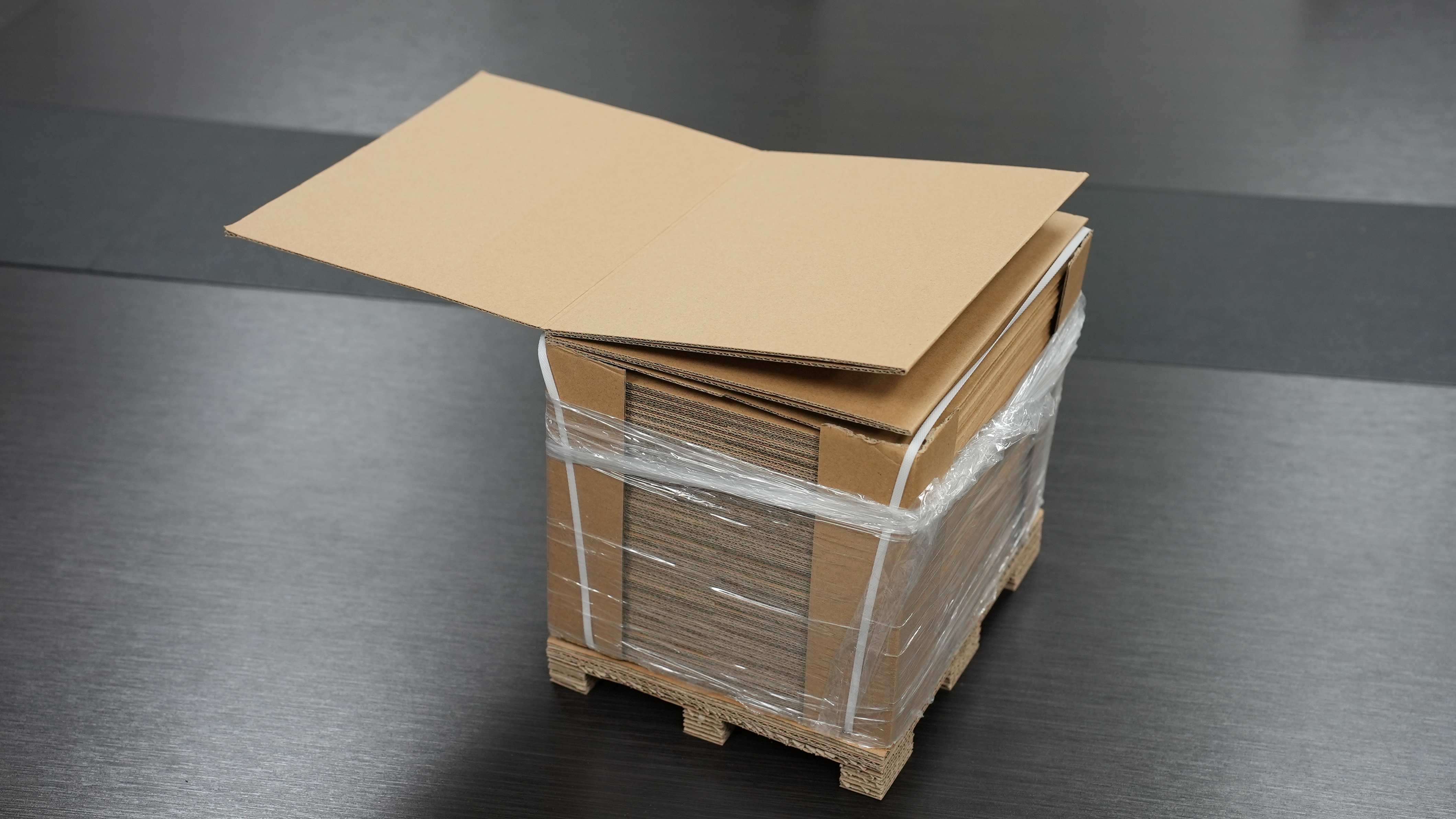
When you’re sizing up how something will hold up over time, the material isn’t just a spec on a sheet—it’s the core of the whole story. Cheap plastics or flimsy alloys might look fine out of the box, but give them a few months of actual use and the cracks, warps, or fading will tell you everything you need to know. The real trick is understanding that durability isn’t about being indestructible; it’s about how the material handles stress, time, and the little insults of daily life without giving up.
There’s a big difference between something that’s merely hard and something that’s tough. Hardness might resist a scratch, but toughness keeps it from snapping when things get unpredictable. Metals like stainless steel earn their reputation because they balance both, shrugging off corrosion while taking repeated punishment. And it’s not just metal—well-engineered polymers or tightly woven fabrics can outlast their heavier counterparts by simply bending instead of breaking. Pay attention to how surfaces are treated, too: anodizing on aluminum or a tight weave on nylon isn’t just for looks, it’s a shield against wear that creeps in slowly.
The real test of any material is what it looks and feels like after you’ve stopped babying it. Does the leather crease gracefully or crumble into dust? Does the composite edge fray into a fuzzy mess or stay crisp? Often the best guide is to ignore the marketing and look for the details that imply a kind of quiet confidence: thick stitching, solid joints, and a lack of unnecessary frills. A thing made to last doesn’t need to shout about it—it shows it by simply sticking around, looking better with age rather than worse.
Size It Right: Custom Cuts Without the Waste
Getting just the right amount of material can be a challenge when off-the-shelf sizes never quite match your project. Custom cuts solve this by letting you specify exact dimensions, so you pay only for what you actually use. That leftover off-cut you’d normally toss? It never gets created in the first place.
Whether you’re working with wood, metal, fabric, or acrylic, precision cutting means less clutter and fewer trips to recycling. It’s a straightforward way to trim both costs and environmental strain without compromising on quality or design freedom.
Protection That Fits: Cushioning Odd-Shaped Items
When items refuse to fit into standard boxes, cushioning demands creativity. Odd shapes—think curved vases, intricate electronics with protruding parts, or oddly angular decor—leave voids that ordinary padding can’t fully bridge. The trick is to abandon the one-size-fits-all mindset and tailor the protection layer by layer. Flexible materials like air-cellular cushioning or moldable foam can be shaped around irregularities, hugging every contour. This approach turns a potential weakness into a strength, using the object’s own shape to lock it in place.
Layering different materials often produces better results than relying on a single thick wrap. Start with a soft, non-abrasive inner layer—like microfoam or tissue—to guard delicate surfaces, then add a structural outer shield that absorbs shocks. For items with fragile extensions, consider building a custom suspension system within the carton, using die-cut foam inserts or adjustable air pillows. These techniques distribute force away from vulnerable points, so even a drop or jostle won’t translate into damage. The goal is to create a protective cocoon that moves with the item, not against it.
Smart Storage Hacks for Small Spaces
Living with limited square footage doesn't mean you have to sacrifice style or organization. One of the cleverest tricks is to make your furniture do double duty. An ottoman that opens up to stash blankets, a bed with built-in drawers, or a slim console table behind the sofa are all ways to hide clutter in plain sight. When every inch counts, choosing pieces that serve more than one purpose is like unlocking extra rooms you never knew you had.
Another game changer is using vertical space in unexpected ways. Instead of just thinking shelves, try hanging a pegboard on an empty kitchen wall for utensils and pots, or mounting a magnetic strip inside a cabinet door for bobby pins and tweezers. Over-the-door organizers aren’t just for shoes—they can hold cleaning supplies, pantry items, or even accessories. By directing your eye upward, you draw the room taller and keep surfaces clear, which instantly makes the area feel more open.
Don't overlook those awkward gaps either. The narrow space between the fridge and the wall can fit a slim rolling cart for cans and spices. Under the stairs, install custom drawers or turn it into a cozy reading nook with built-in bookcases. Even the empty wall above the toilet is prime real estate for shelving or a tall cabinet. The secret is to customize storage to the quirky dimensions of your home rather than forcing standard-sized bins into places they don’t belong. A little creative carpentry goes a long way in making a tiny space feel tailor-made and effortless.
Real User Picks: Standout Sheets for Everyday Needs
When people talk about the sheets they actually reach for every night, the same themes come up again and again: softness that holds up after dozens of washes, breathabilty that doesn't trap heat, and that lived-in comfort from day one. No one wants to fuss over delicate fabrics or complicated care instructions when they're just trying to get a good night's sleep. That's why the most recommended sets come from real people who've tested them through messy mornings, hot flashes, and lazy Sunday afternoons.
Long-staple cotton and linen blends top the list for a reason—they get better with age and handle real life without pilling or tearing. Some prefer a crisp percale that feels cool and fresh in the summer, while others swear by buttery-soft sateen for year-round coziness. The real standouts don't just look good out of the package; they earn their shelf space by staying smooth, fit the mattress without popping off corners, and coming in colors that won't fade into a disappointing gray after the first month.
FAQ
Fanfold sheets are large, continuous pieces of corrugated cardboard that are scored and folded in a zigzag pattern, allowing you to pull off and cut whatever size you need. Unlike pre-made boxes, they give you the flexibility to create custom-sized protective layers, dividers, or wraps for oddly shaped items.
Fanfold cardboard offers a solid, rigid layer of protection that won't pop or compress over time, making it great for heavy or sharp-edged items. It's also more sustainable since it's fully recyclable and often made from recycled content, and it can be folded or layered to absorb impact just as effectively as plastic alternatives.
Pay attention to the flute type and board thickness. For heavier loads, you'll want a B-flute or double-wall construction, as these provide more crush resistance. Also check if the sheets come pre-scored—details like that make it much faster to fold and size on the spot.
A sharp utility knife or heavy-duty shears works well, but the real trick is to use a straightedge and cut along the existing flutes whenever possible. This naturally guides the blade and reduces jagged edges. Many people also find it helpful to partially unfold the sheet on a large, flat surface to keep it steady.
Absolutely—if it doesn't get wet or creased severely, fanfold cardboard can be flattened and stored for reuse multiple times. It stands up well in storage as long as it's kept dry and away from heavy stacking that could pre-crush the flutes. Some folks even keep a few on hand to protect tabletops or as temporary floor protection during projects.
Think about the largest dimension you usually wrap or the widest spacing you need to fill. Sheets commonly come in widths like 48 or 60 inches and lengths up to 250 feet. If you're mostly wrapping medium-sized boxes, a narrower roll might be easier to handle, but for bulky furniture, going wider saves time and seams.
There's a real range in stiffness, tear resistance, and flatness depending on the manufacturer. Some cheaper sheets may arrive with crushed edges or inconsistent scoring, which makes them harder to fold cleanly. It's worth checking reviews, especially from people who ship high volumes or delicate items regularly.
Conclusion
When it comes to shipping oddly shaped items or maximizing storage space, fanfold corrugated cardboard sheets are a game changer. Unlike standard boxes that force you into fixed dimensions and often leave gaps, fanfold sheets let you wrap, fold, and customize protection exactly where it's needed. The key to durability lies in the material—look for a high-grade flute profile (C-flute or B-flute) that balances cushioning with rigidity. Thicker walls resist crushing, while a smooth liner on the outside keeps things clean. What really sets these apart is the ability to cut precisely to size right from the stack, so you're not stuck with a mountain of offcuts. That kind of on-demand flexibility cuts down on waste and clutter significantly.
For anyone dealing with fragile, uneven shapes—ceramics, electronics, or mechanical parts—fanfold sheets mold around contours and lock items in place without the bulk of bubble wrap. You can even layer them to create custom padded inserts. Then there's the storage angle: these sheets compress neatly against a wall or slide under a shelf, taking up a fraction of the room that boxes do. I've found that keeping a couple of bundles in the closet saves endless last-minute scrambles for packaging. User favorites tend to be the heavy-duty 200# test sheets, which hold up under repeat use, and lighter 32 ECT options for everyday wrapping. Ultimately, the right fanfold sheet turns a chaotic packing situation into a streamlined, protective system that actually fits your real-life items.
Contact Us
Contact Person: Mr. Ge Man
Email: [email protected]
Tel/WhatsApp: 8613710506492
Website: https://www.shitengzx.com