

Best OEM Suppliers for Solar Carport Mounting System: What to Look For Before Choosing a Partner
2026-10-21
Choosing a solar carport mounting system supplier feels a bit like dating before marriage — everyone looks great on paper until the first real project exposes the cracks. Too many buyers focus on price per watt and ignore the details that actually determine whether your structure survives a storm or your installers curse your name. This guide cuts through the noise to highlight the non-negotiables when vetting OEM partners. We’ll also look at how companies like Egret Solar measure up once you move beyond glossy catalogs and start asking the questions that matter.
Material Grades and Coatings Worth Verifying Before Signing
Most buyers accept a mill certificate at face value, but a quick cross-check against the original purchase order often reveals discrepancies in yield strength, tensile range, or impact test temperature. A 316L plate can easily be substituted with 316 if the suffix is ignored, and the difference only shows up after welding or exposure to chlorides. Ask for the actual heat number and trace it back to the casting lot before you commit.
Coatings are another area where verbal promises fall apart. A shop may quote a two-part epoxy but spray a cheap alkyd primer when the schedule tightens. Dry film thickness, cure window, and surface preparation standard such as Sa 2.5 or SSPC-SP10 should be written into the contract, not left to a phone call. If the project sits near saltwater, require a salt-spray test result that matches the coating system you are actually buying, not a generic data sheet.
Finally, verify galvanizing layer weight and any passivation treatment for stainless hardware. A 50-micron hot-dip coating can drop to 35 microns with the same visual shine, and nobody notices until rust blooms at the edges. Compare the coating supplier's batch certificate with the delivery note, and if the supplier hesitates to share that document, treat it as a red flag worth walking away from.
Why Prototype Approval Beats Catalog Promises
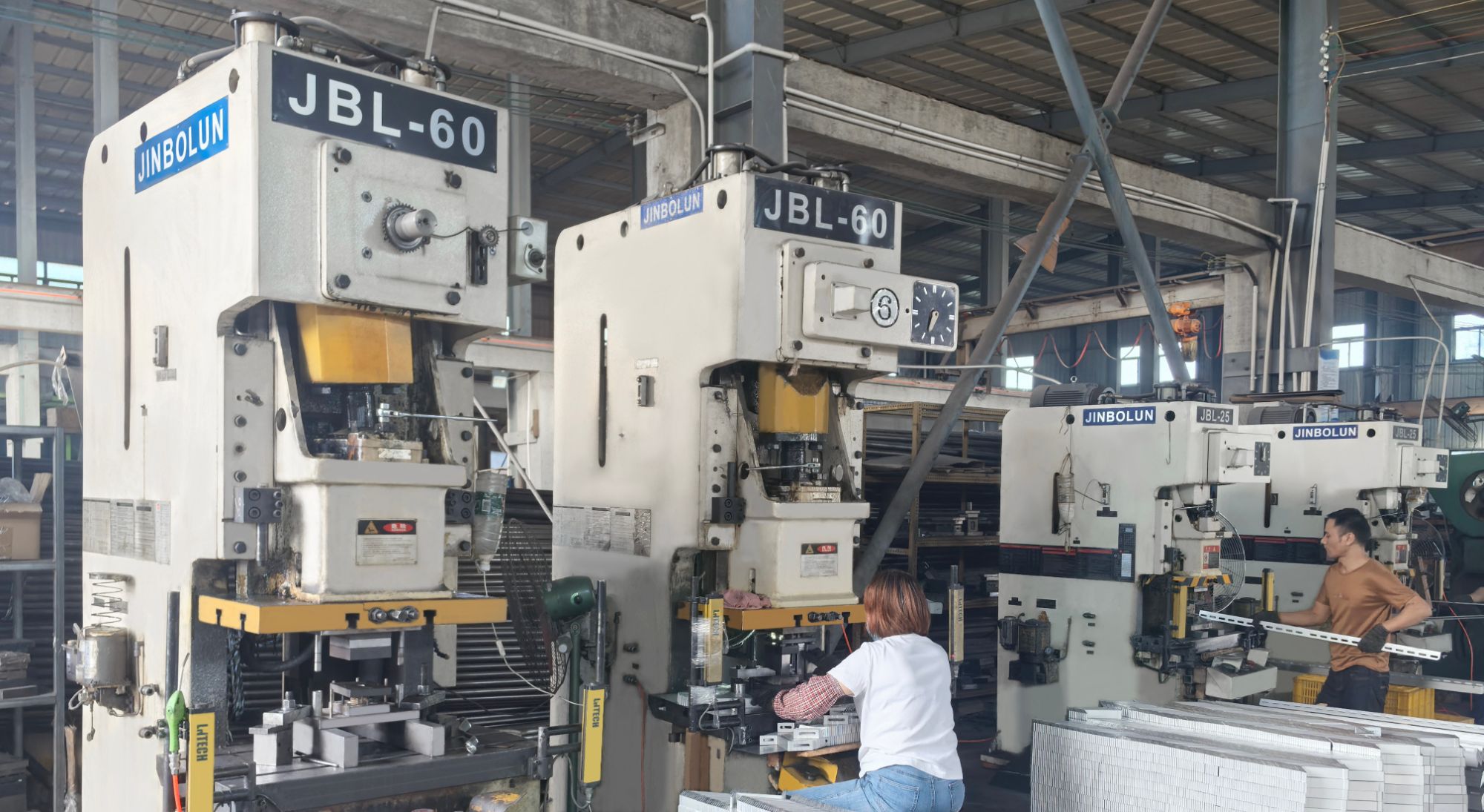
A catalog page can list impressive tolerances, materials, and performance curves, but it rarely tells you how a part feels when you rotate it by hand or how the finish holds up after a week on a dusty workbench. Prototype approval removes that guesswork. When you hold a physical sample, you immediately notice the subtle friction in a hinge, the slight flex in a bracket under finger pressure, or the way a connector seats with a click instead of a mush. Those observations never make it into a spec sheet, yet they often determine whether a product feels solid or cheap.
Approving a prototype also shifts the conversation from promises to evidence. A supplier can claim their injection-molded cover resists cracking, but until you drop it on concrete from waist height, that claim is just words. With a prototype in hand, you test, bend, scratch, and measure it against your own benchmarks. If the texture is too slippery for dry hands or the wall thickness is uneven under a bright light, you catch it now, before tooling costs and lead times lock you in.
There is also a psychological advantage. Teams tend to make safer, more confident decisions when they evaluate a real object instead of a rendering. A rendered image can be lit to hide parting lines, and a glossy PDF can bury thermal limits in a footnote. A prototype cannot hide. Its flaws are present, visible, and negotiable. That honesty, strange as it sounds, is exactly why engineers and buyers trust an approved sample more than any catalog boast.
Hidden Costs in Customization and Non-Standard Layouts
The appeal of custom layouts is obvious on paper—more storage, a unique look, a space that seems built just for you. But the real price often hides in places you wouldn't think to check until the invoice arrives. When standard cabinet dimensions get stretched, shrunk, or contorted around a tricky corner, the workshop has to slow down. That extra labor isn't free. A non-standard pantry pull-out might require a custom jig, a special hinge, or a completely different assembly sequence, and each of those tweaks adds a line item that rarely shows up in the initial quote.
Then there's the compounding effect on installation day. Stock cabinets go in like puzzle pieces, with a rhythm that installers know by heart. Custom pieces, however, demand on-site adjustments—trimming filler strips, shimming uneven walls, sometimes even recutting a panel because the laser measure was a quarter inch off. Every unscheduled minute on the job site is billed, and surprise visits from a certified installer to fix a misaligned drawer can erase whatever savings you hoped to gain from a wider cabinet. The more you deviate from standard widths and depths, the higher the chance that a simple swap becomes a full rework.
It's also worth counting the invisible costs of future maintenance. A uniquely sized door that gets chipped can't be replaced from a catalog; it has to be remade to match, often at a premium and with a longer lead time. If you ever want to add a matching cabinet or adjust the configuration down the line, you're locked into the same custom shop—or you'll spend more trying to blend a stock piece into a bespoke run. What begins as a stylish departure from the norm can quietly turn into a long-term financial drag, one that standard layouts simply don't carry.
Reading Load Calculations With a Critical Eye
Load calculations are often treated as gospel, but they carry hidden assumptions about occupancy, live loads, and material densities. A critical reader starts by tracing where the numbers came from—whether they reflect code minimums, field measurements, or someone's best guess. Small errors in unit weight or tributary area can snowball once you move from a simple beam to a whole framing system.
Another habit is to look for what the calculation leaves out. Wind uplift, snow drift, vibration, or temporary construction loads rarely appear in a quick floor load check, yet they can dominate the actual behavior. If the margin between demand and capacity looks suspiciously comfortable, ask what scenario wasn't included instead of admiring the utilization ratio.
Finally, compare the result against rough rules of thumb and your own experience. A span-to-depth ratio that seems too bold, or a footing size that looks small for the soil you know, should trigger a re-check before the number reaches a drawing. Calculated outputs are useful only when the inputs and limits are visible.
Lead Time Realities After the Purchase Order Is Sent
Once the purchase order leaves your outbox, the clock starts ticking—but not always the way the quote suggested. Many suppliers take a few days just to acknowledge the order and lock in a production slot. Then the real variables surface: raw material availability, queue priority for existing clients, and internal scheduling bottlenecks. A stated four-week lead time can quickly become six if the factory waits on a single component or if your order gets bumped for a larger customer's urgent re-run.
What often surprises buyers is how little control they have after the PO is sent. The supplier's own upstream dependencies—metal blanks, electronic parts, special packaging—now dictate the pace. Some operations only begin procurement after receiving the deposit, meaning the first week is spent sourcing, not manufacturing. It's not uncommon for a batch to sit idle between stations because a shared machine is down or a quality check failed. Tracking these realities early, by asking for a production timeline with named milestones, turns vague promises into something you can actually hold a supplier to.
The Difference Between a Warranty and an Actual Replacement Part
A lot of people assume a warranty and a replacement part are two names for the same thing, but they operate on completely different levels. A warranty is essentially a promise from the manufacturer or seller, a set of conditions they agree to honor if something breaks within a certain window. It doesn't put a new component in your hands. Instead, it defines the rules: how long coverage lasts, which failures count, and whether you need to register, keep receipts, or use approved service centers.
An actual replacement part, by contrast, is the physical item that ends up in your equipment after a claim is approved. It could be brand new, remanufactured, or even pulled from a donor machine, depending on the terms. Until that part arrives and gets installed, the warranty is just paperwork. Many frustrations happen because people treat the warranty as if it's a spare part sitting in a box, waiting to be shipped. The warranty only opens the door to getting that part; it doesn't guarantee immediate delivery or cover associated labor unless clearly stated.
Think of it like car insurance versus a new bumper. The policy promises coverage, but the bumper is what actually gets bolted on after the adjuster signs off. The same split applies to electronics, appliances, and industrial equipment. Reading the warranty language carefully tells you when a physical replacement is triggered, who supplies it, and whether you're paying for shipping or installation. Without that clarity, you might have a valid warranty in name and still wait weeks or face unexpected costs before the actual part shows up.
FAQ
Ask for a recent project list with installed capacity and completion dates, then request structural calculations for a comparable carport in your wind and snow zone. A competent supplier will share redacted drawings, bill of materials, and third-party inspection reports without hesitation. Virtual factory tours and live video of the production line are also reasonable requests.
Look beyond the usual ISO 9001. For carports, UL 2703 or IEC 62817 testing matters for grounding and bonding, and regional wind load standards like ASCE 7-10 or EN 1991 are more important than a generic CE mark. Ask for the certificate scope and latest test reports, not just the logo.
Specialization helps because carports involve civil engineering, drainage, and vehicle clearance, which roof or ground mount specialists often underestimate. But a full-line manufacturer with a dedicated carport engineering team can be equally good. Ask how many dedicated structural engineers they have and how many carport-specific projects they completed last year.
Typical customization includes column height, foundation type, panel tilt, and cable management. Hidden costs often appear in non-standard hole patterns, extra stiffeners for high wind zones, special paint or coating colors, and split shipments. Get a line-item quote that separates engineering, tooling, materials, coating, and packaging so nothing is buried.
Check the coating specification. Hot-dip galvanizing should be at least 70-85 microns on average for structural parts exposed to weather, and ask about edge protection at cut or welded areas. Also request the steel grade, such as Q355B or S350GD, not just 'high-strength steel.' Fasteners should be stainless steel or at least coated with a durable system.
Ask for their current production backlog and the last three order confirmations with actual ship dates versus promised dates. A supplier that hesitates to share this probably has a history of overpromising. Also agree on a penalty clause for late delivery and ask whether they keep buffer stock of standard profiles or produce everything to order.
After shipment, look for turnaround time on replacement parts, whether they update structural calculations if your site conditions change, and if they offer on-site installation supervision for the first carport. A good supplier will provide a named technical contact rather than a generic support email.
Lowest unit price usually costs more later. A cheap system may use thinner steel, skip proper drainage design, or use fasteners that seize after two winters. Compare quotes with maintenance intervals, expected coating life, and replacement part costs over 20 years. Paying 10% more upfront can avoid a full re-coating job in year five.
Conclusion
Choosing an OEM partner for solar carport mounting systems starts with verifying what actually arrives on site, not what appears in a polished brochure. Ask for mill certificates and coating thickness reports for structural steel and aluminum, as differences between batch-level galvanization and post-fabrication touch-ups can dramatically shorten service life. A legitimate supplier will also insist on prototyping before mass production—request a sample assembly under your own roof, with your own torque tools, because catalog images never reveal how easily rails connect or how tolerant brackets are to minor installation errors. Dig into customization costs early; non-standard layouts, odd purlin spacing, or extra reinforcement for high-wind zones often carry hidden line items that surface only after the purchase order is issued.
Load calculations deserve more than a quick glance at a summary page. Look for site-specific wind and snow values, correct exposure category, and a clear note on which code edition governs the design. If the supplier cannot explain why a particular connection was overbuilt or which member governs deflection, keep looking. After the PO is sent, lead time promises often stretch silently, so pin down not just a production completion date but also pre-shipment inspection windows, packaging milestones, and actual vessel or truck cutoff dates. Finally, separate the warranty document from the replacement part process: a ten-year coating warranty means little if the supplier requires you to pay freight and labor for a corroded gusset plate. Test how claims are handled on one sample order before committing to a full project pipeline.
Contact Us
Contact Person: Leite
Email: [email protected]
Tel/WhatsApp: (+86)13666072898
Website: https://www.egretsolars.com/