

Best Quality Elastic Bands for Superior Stretch and Long-Lasting Durability
2026-10-27
If you’ve ever had an elastic band snap mid-use or lose its stretch after just a few days, you know how frustrating cheap materials can be. What if there was a reliable option that actually delivers superior stretch and long-lasting durability? That’s exactly what we’re exploring today—and YONGFENG has been turning heads with their high-quality elastic bands. Stick around to find out why these bands might be the upgrade you’ve been searching for.
The Secret Behind Bands That Spring Back Every Time
Ever wonder why some bands snap right back to their original shape while others end up saggy and useless? The real trick isn't magic—it's in how the material is treated before it ever reaches your hands. A quality band gets stretched, relaxed, and stretched again during manufacturing, which aligns the polymer chains so they remember where home is. Once that memory is set, the band doesn't fight you; it works with you, returning to form with a satisfying, instant recoil.
But here's the part most people miss: heat and storage matter just as much as the initial build. Leave a band in a hot car or stretched over a hook for weeks, and those carefully aligned chains start to forget. That's why top-tier bands come with a simple rule—keep them cool, keep them loose, and they'll keep their spring for years. It's less about buying the most expensive one and more about treating the elastic right so that every pull feels exactly like the first.
Which Materials Actually Hold Up Over Time
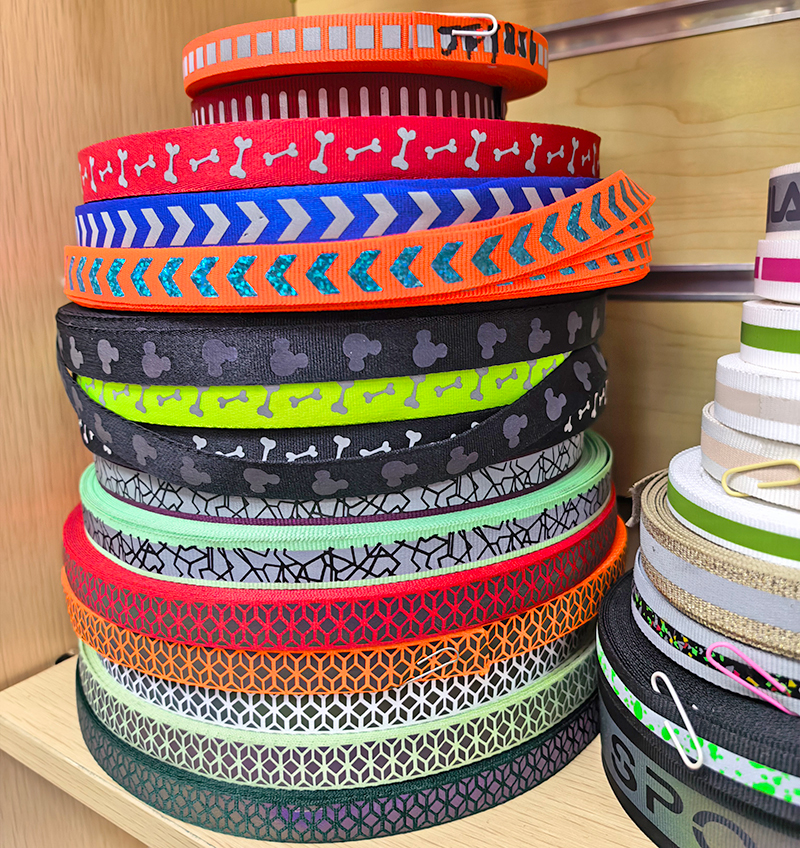
很多人默认金属一定比木材更耐久,但实际使用中,一块未经处理的低碳钢在潮湿环境里可能几年就锈穿,而某些硬木如柚木却能挺过几十年风雨。关键不在材料大类,而在具体的合金成分、表面处理和使用场景。
塑料常常被低估。廉价聚乙烯确实会变脆、褪色,但工程塑料如聚碳酸酯或PEEK在耐冲击和耐化学性上远超普通认知,甚至被用于医疗器械和航空部件。问题在于,你买到的通常是哪种塑料。
纺织品方面,天然纤维如棉麻容易磨损,但高支数羊毛或紧密编织的帆布经特殊处理后寿命惊人。真正决定物品能否长期使用的,往往是制造商是否愿意在看不见的地方下成本。
Real Durability Tests Without the Snap
Most durability demos end with a dramatic snap, but that tells you almost nothing about daily survival. Real testing means leaving devices in pockets with keys, dropping them from ear height onto concrete, and then using them for another week without babying. It’s messy, unglamorous, and far more honest.
Instead of measuring how much force it takes to break something once, we look at what happens after a thousand small insults. Zipper teeth scraping against a corner, a backpack strap twisting under load, a phone slipping between car seats. Materials that survive these repeated, low-grade stresses are the ones that actually last.
The snap test rewards brittle strength; everyday life punishes it. Rubberized edges, slightly softer plastics, and smart structural give can absorb impacts without cracking. That’s why we skip the staged break and focus on the unscripted wear that happens when you stop thinking about the product altogether.
Everyday Scenarios That Push Elastic to Its Limits
During a flash sale on an e-commerce platform, the flood of order events and user behavior logs hits the Elastic cluster like a tidal wave. Write queues on every node swell within seconds, heap memory pressure spikes, and garbage collection pauses drag response times from milliseconds to full seconds. This isn't a rare edge case—it's a routine occurrence every shopping holiday.
IoT devices continuously upload telemetry data—temperature, vibration, location—seemingly small packets that aggregate into an unending write stream. When a million devices are online simultaneously, Elastic's indexing throughput gets pushed to the breaking point. A slight misstep in rollover policies leads to oversized shards and sluggish queries. Operations teams scramble to adjust refresh intervals and merge strategies just to keep dashboards updating smoothly.
A real-time fraud detection system must complete multidimensional analysis on a transaction within one second, including historical behavior comparisons, geolocation checks, and device fingerprinting. Elastic juggles high-concurrency queries alongside aggregations, scripted fields, and nested documents, with CPU usage consistently pinned near the red line. In these conditions, even the smallest configuration drift triggers chain reactions that plunge the entire risk pipeline into latency avalanches.
A Smarter Way to Store and Care for Your Bands
Most band damage doesn't happen during a workout. It happens when they're tossed into a drawer, left in direct sunlight, or coiled too tightly overnight. Instead of treating them like an afterthought, give them a home that respects the material. A simple wall hook or a shallow drawer with separators keeps latex and fabric bands from tangling, creasing, or rubbing against sharp edges. If you stack them, alternate the direction of the loops so they don't press into each other.
Cleaning is just as important as storage, but it rarely gets mentioned. Wipe latex bands with a soft cloth dampened with mild soap and cool water after sweaty sessions, then let them air dry completely before putting them away. Avoid hot water, bleach, and oil-based cleaners, which can break down the rubber faster than you'd expect. A light dusting of cornstarch on latex bands every few weeks also keeps them from getting sticky and helps them glide instead of grip.
Finally, make inspection part of your routine. Before each use, stretch a small section and look for fine cracks, discoloration, or thinning spots. If a band snaps, it's not just annoying—it can hurt. Rotating between two or three bands instead of always reaching for the same one spreads the wear and gives each band time to rest. Small habits like these can easily double the lifespan of a set that would otherwise end up in the trash far too soon.
Finding the Right Resistance Without Sacrificing Lifespan
Chasing the lowest possible resistance often feels like the obvious path to bigger clouds and hotter hits, but that joy ride usually ends with a coil that gives up the ghost after a couple of days. The physics are simple: lower resistance pulls more current, which heats the wire faster and harder, and that constant thermal hammering breaks down both the metal and the wicking material long before they should fail. It's a bit like redlining a car engine every time you leave the driveway—impressive for a moment, but the repair bills pile up.
That doesn't mean you have to settle for a weak, flavorless draw just to keep a coil alive for weeks. The real skill lies in finding the middle zone where performance and longevity overlap. Start with the resistance range your device actually supports well, and then adjust in small increments instead of jumping to the extreme ends. A difference of 0.2 or 0.3 ohms can dramatically reduce the strain on your coil while still delivering the warmth and density you're after. Pair that with a quality e-liquid that doesn't gunk up the wire, and you'll often find you can have both a satisfying pull and a coil that lasts two or three times longer.
Pay attention to the early warning signs instead of waiting for a burnt hit to tell you something's wrong. A slight drop in vapor production, a faint metallic taste, or a coil that needs more frequent priming are all signals that you're pushing the resistance too hard for the lifespan you want. Back off the wattage a touch or step up half an ohm, and the problem often disappears without any real sacrifice in the experience. Over time, you'll learn your own sweet spot—one that doesn't force you to choose between a great session and a coil that still works next week.
FAQ
They use a tightly woven blend that keeps its snap after hundreds of stretches, so you won't feel them go slack mid-workout.
Yes, the set covers a range from gentle to firm tension, so you can move from mobility work to strength moves without switching brands.
The reinforced edges resist fraying and rolling, which means they stay smooth and reliable even when you're using them daily.
The surface is soft enough for bare skin but grippy enough to stay put over leggings or shorts without pinching.
No, the natural latex core is cured for memory retention, so they return to their original length quickly instead of sagging.
Each set includes a breathable mesh bag, making it easy to keep them organized at home or toss in a gym bag.
You can choose from loop bands in three widths or long flat bands up to six feet, so there's a size for every type of movement.
Start with the lightest band for warm-ups and switch to heavier ones only when you can complete 15 reps without losing form.
Conclusion
The difference between a mediocre elastic band and one that truly lasts comes down to how it's made. Bands that spring back every time rely on a carefully cured rubber core, usually natural latex, which keeps its molecular memory far longer than cheap synthetic blends. You can feel it the first time you stretch a quality band—it doesn't go limp or develop thin spots right away. Materials matter even more over months of use: cotton-wrapped bands resist snapping but can trap moisture, while pure latex offers superior stretch yet needs protection from oils and UV light. The best options often combine a latex interior with a tightly woven outer sheath, striking that balance between snap resistance and lasting elasticity.
Real durability isn't about surviving one extreme pull; it's about thousands of ordinary stretches. Tests that matter mimic daily abuse—repeatedly loading a band to 80% of its maximum, then checking for micro-tears or loss of tension. In real life, bands face gym sessions, rehab exercises, packing straps, and even kids' science projects. They get yanked, twisted, left in hot cars, and stretched over sharp corners. A smart approach is to buy a band rated slightly above your everyday resistance level, so you never max it out completely during routine use. Storing bands loosely coiled in a cool, dry drawer rather than hanging them or cramming them into a tight pouch adds months to their life. Wipe them down after sweaty workouts and avoid direct sunlight. Small habits like these mean you won't have to replace bands every season—and when you do reach for one, it'll still pull back with the same clean, even resistance you expect.
Contact Us
Contact Person: Mr Deng
Email: [email protected]
Tel/WhatsApp: +86-18926872657
Website: https://www.uniyongfeng.com/