

China Galvanize Revolution: How Modern Coatings Are Reshaping Global Steel Markets
2026-11-16
A quiet transformation is unfolding in industrial hubs across China, rewriting the rules of steel protection. Advanced galvanizing techniques are no longer just about rust resistance—they’re driving global supply chains, architectural innovation, and sustainability targets. At the heart of this shift stands a new generation of coating lines that balance precision with massive scale. Brands like LANYUN are pushing beyond conventional limits, offering galvanized and galvalume solutions that meet the most demanding international standards. In this blog, we peel back the layers of the modern galvanize revolution, examining how China’s technological leaps are coating the world in steel—and why tomorrow’s skylines and logistics networks will never look the same.
Zinc Flows East: Tracing China’s Quiet Coating Takeover
The global supply chain for zinc-based coatings has undergone a seismic yet understated shift, with China steadily absorbing refining capacity and export dominance over the past decade. This wasn’t a sudden disruption but a patient layering of industrial strategy—state-backed investment in solvent extraction technologies, aggressive modernization of smelters, and a methodical climb up the value chain from raw ingot to high-performance anti-corrosion products. By the time Western paint and coating manufacturers noticed, Chinese producers weren’t just matching specifications; they were quietly rewriting the pricing benchmarks on everything from galvanized steel to marine-grade epoxy primers.
What makes this takeover particularly elusive is its integration into broader infrastructure and trade diplomacy. Belt and Road-linked construction projects ensured a captive demand for Chinese-made protective coatings, often bundled into turnkey contracts where material choices are baked into the financing terms. Meanwhile, inland provinces like Yunnan and Hunan became hubs for continuous hot-dip lines and powder coating clusters, feeding not only domestic bridges and transmission towers but also shipping containers, automotive parts, and wind turbine components destined for Europe and Southeast Asia. The coating flows east, but the influence radiates outward along commodity trade winds.
Beneath the macro trends, the quiet takeover is sustained by a micro-level edge in customization and rapid prototyping that larger multinationals struggle to match. Chinese coating mills routinely adjust zinc flake formulations or curing profiles to meet niche regional standards at speeds that baffle overseas competitors. This agility, combined with a deep raw material ecosystem—often directly sourcing high-grade zinc concentrate from mines in Africa or Latin America—creates a compounding advantage. As environmental regulations tighten globally, the next wave may see Chinese makers defining not just the supply of zinc coatings but the very compliance benchmarks that others scramble to meet.
Beyond Rust Proofing: Smart Layers That Sense and Heal
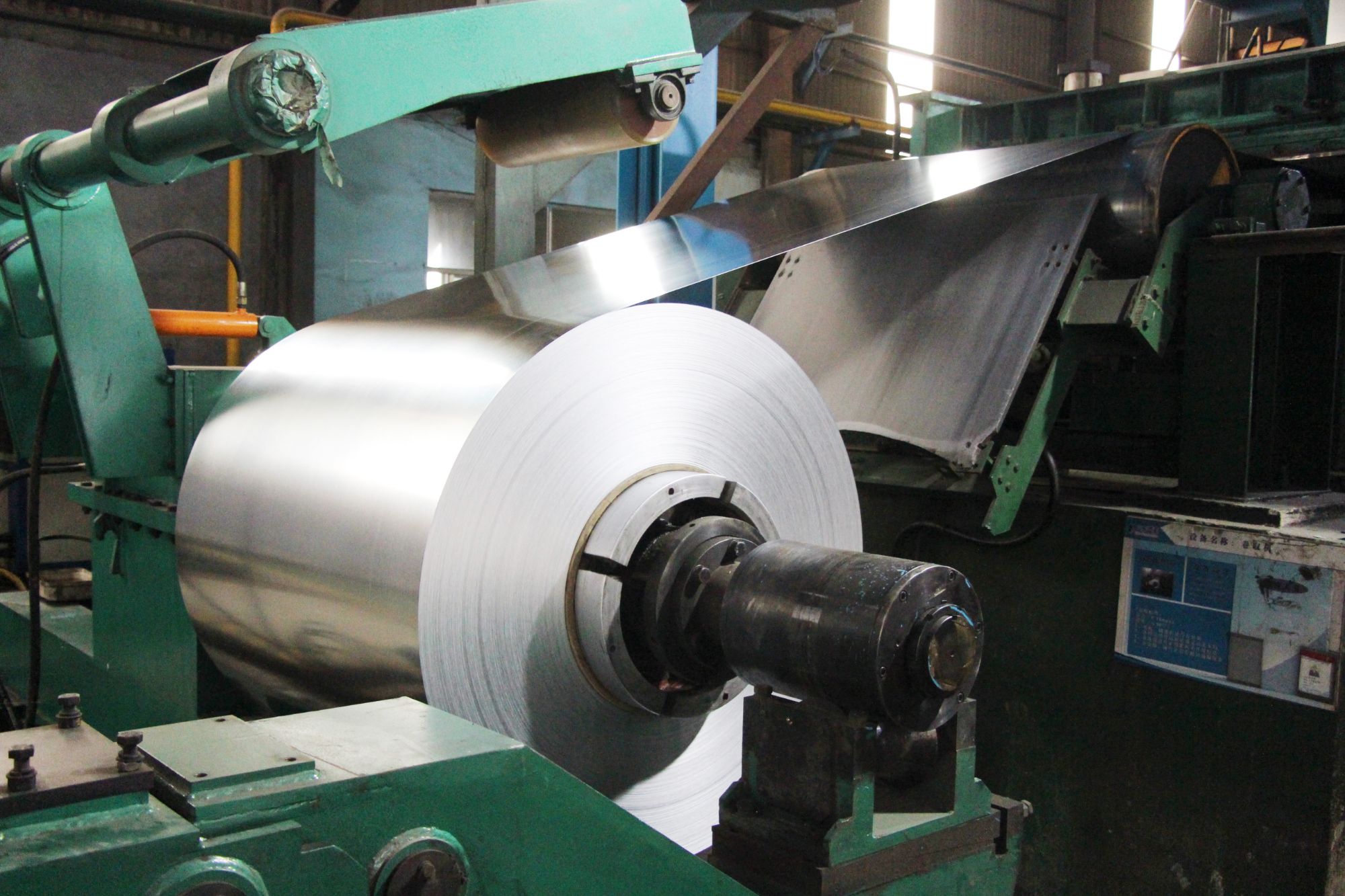
Corrosion has always been a silent and relentless adversary, gnawing away at infrastructure, vehicles, and industrial equipment. Traditional rust proofing puts up a barrier—a passive coat of paint or a sacrificial layer of zinc—but it’s a static defense in a dynamic world. Once a scratch breaches that shield, the countdown begins, hidden from view until rust blooms through the surface. We’re now moving past that dead-end approach, into coatings that don’t just sit there but actively sense damage and respond before a speck of oxidation can take hold.
Imagine a layer that feels the micro-scratch like a nerve ending and sends a signal—not to a distant monitor, but to its own chemistry. Embedded microcapsules rupture at the very point of harm, releasing healing agents that flow into the crack and solidify into a new barrier. Meanwhile, color-changing indicators silently flag the repair site, turning a microscopic threat into a visual cue for inspectors. These smart layers borrow from living skin, wielding self-awareness and a regenerative reflex that turns every vulnerable spot into an invitation for a fix rather than a failure point in waiting.
What truly sets this apart is the shift from scheduled maintenance to intrinsic peace of mind. Instead of relying on periodic check-ups that might miss internal corrosion beneath bulging paint, the material itself stays vigilant around the clock. Whether it’s a bridge girder, the underbelly of an offshore platform, or the chassis of an electric vehicle, the protective layer becomes a dynamic partner. It senses, it acts, and it quietly ensures that rust never gets to whisper a single destructive word.
High‑Speed Baths and Nano‑Alloys Rewriting Production Norms
Factories once accepted that a quality electroplated finish demanded patience—slow deposition rates, rigid bath chemistries, and a narrow window for acceptable results. High-speed baths have bulldozed that assumption. By reformulating electrolyte dynamics and introducing pulsed currents far beyond the old DC standards, these systems throw a dense, uniform coat in a fraction of the time it took a decade ago. The trick isn’t just moving faster; it’s that the accelerated ion transfer suppresses dendritic growth and porosity, eliminating the usual trade-off between speed and structural integrity. What used to require a 40-minute cycle can now emerge with better adhesion and surface hardness in under twelve minutes, forcing plant managers to redraw their throughput ceilings entirely.
Nano-alloys flipped the script on what a plated layer can actually do. Instead of mixing metals at a microcrystalline scale, these coatings manipulate grain boundaries down to a few nanometers, boosting hardness and corrosion resistance almost paradoxically—without the brittleness you’d expect. A zinc-nickel deposit doped with nanoscale tungsten or cobalt particles stops crack propagation dead, surviving 2,000-hour salt spray tests while remaining thin enough for precision components. The really disruptive part is that these alloys don’t need exotic equipment; they slot into existing rack and barrel setups, often with just a modified bath additive. That low-friction entry has made the leap from lab curiosity to shop-floor staple a lot quicker than anyone predicted.
When you combine high-speed baths with nano-alloy know-how, the whole definition of a “standard” production line starts to crack. Job shops that once served a 50-mile radius are now competing nationally because their turnaround time collapsed and their coating specs outperform bigger rivals. Automotive tier-suppliers are bypassing post-plating heat treatments entirely since the as-deposited nanostructure already matches the fatigue strength of thermally conditioned layers. Even rework logistics are shrinking—parts that would’ve been scrapped due to thickness variance now get re-plated in minutes, not hours. There’s a quiet realization spreading through the industry that the old rulebooks, written around rigid dwell times and alloy limits, are becoming collector’s items.
Belt and Road Steel: Coating Standards as a New Trade Currency
In the sprawling steel markets that define much of the Belt and Road infrastructure boom, a quiet but decisive shift is taking place. The physical attributes of steel beams, pipes, and plates are no longer the sole determinants of their worth. Instead, the quality and type of protective coating applied to that steel has emerged as a powerful, almost monetary instrument in trade negotiations. When two parties sit across the table—one from a humid coastal nation in Southeast Asia, the other from a landlocked supplier in Central Asia—the thickness of a zinc layer or the specific epoxy used for corrosion resistance can instantly adjust the final price, redefining the value of the entire shipment.
These technical specifications have evolved beyond simple quality markers; they function as a parallel currency that lubricates deals, builds long-term trust, and often circumvents the volatility of foreign exchange. A project developer in Pakistan might accept a slightly thinner, but uniformly specified, intumescent fireproofing coat in exchange for fewer advance payments. A Kenyan contractor could leverage the promise of adhering strictly to a widely recognized European coating norm to secure better credit terms from a Chinese mill. In these interactions, the coating standard becomes a tradable asset, carrying a concrete, negotiated worth that both sides understand without the need for complex financial instruments.
This phenomenon is accelerated by the sheer scale and diversity of the BRI. Steel moves through deserts, across sea lanes, and over mountain passes, encountering wildly different climates and regulatory environments. A universally accepted coating standard—whether for hot-dip galvanizing, multi-layer painting systems, or metallic spray—provides a common language. It acts as a shock absorber for risk, allowing smaller firms and emerging market players to participate in cross-border supply chains with greater confidence. The coating is no longer just protection; it is the currency of assurance in a network built on concrete and ambition.
When Automotive Giants Chase the Perfect 100‑Year Chassis
For automakers with century-deep legacies, the quest for a chassis that can outlast a human lifetime isn’t just about metallurgy or fatigue cycles. It’s a quiet obsession with legacy—a bet that the bones of a car should remain so flawlessly conceived that a future restorer, armed with electric motors and fresh leather, would still want to build upon them. This thinking turns steel into heirloom, forcing engineers to balance stiffness with repairability, and to treat corrosion not as an inevitability but as a design defect.
Behind closed doors, this pursuit shifts the definition of “perfect.” It isn’t the lightest or the stiffest structure on paper; it’s the one whose resonance points never drift into a cabin drone after decades of pounding, whose spot welds don’t become crack-initiation sites, and whose galvanic isolation holds firm even when owners ignore underbody washes. The real art lies in leaving intentional headroom—mounting points that can accept a hybrid system nobody has yet designed, crossmembers that can be unbolted and laser-scanned for replication fifty years later.
Yet the most haunting aspect of this hunt is its humility. Designing for a century means admitting that today’s propulsion assumptions will look quaint, that road surfaces will evolve, that safety regulations will warp around technologies we haven’t imagined. So the chassis becomes a quiet manifesto: a platform that doesn’t dictate how it’s driven, only that it survives long enough to be reimagined by generations who will curse its engineers for being both maddeningly stubborn and eerily prescient.
Carbon‑Neutral Galvanizing: How Chinese Mills Are Cutting the Zinc Footprint
A handful of Chinese steel mills are quietly reimagining one of the industry’s oldest corrosion-fighting techniques. Instead of merely tweaking zinc bath chemistry, they are overhauling entire production ecosystems—swapping coal-fired furnaces for induction heating powered by on-site renewables, and recovering zinc from dross and ash with closed-loop remelting systems that barely whisper emissions. The shift is as much cultural as technical: engineers who once measured success in tons per hour now track grams of CO₂ per square meter of steel.
Much of the innovation centers on the kettle, the heart of the hot‑dip line. By wrapping vessels in exoskeletons of refractory insulation and feeding them with green hydrogen preheaters, mills have slashed natural gas consumption by over 40 percent. At the same time, they are turning a costly waste stream into a resource. Advanced filtration captures zinc‑laden fumes before they leave the plant, and the reclaimed metal goes straight back into the bath. One plant in Hebei has cut its fresh zinc consumption by nearly a fifth, all while exporting surplus heat to a neighboring greenhouse.
What makes these efforts more than a marginal greenwash is the rigorous life‑cycle accounting behind them. Mills are not just offsetting; they are pushing beyond Scope 1 and 2 to tackle embedded carbon in zinc ingots themselves—sourcing from smelters that use hydroelectricity, then verifying every shipment with blockchain-backed material passports. Auditors have already certified the first batches of galvanized coil as carbon‑neutral under PAS 2060, giving the steel a second life in everything from wind‑turbine towers to electric-vehicle chassis, where the lighter environmental tally is fast becoming a procurement requirement.
FAQ
It’s largely a response to tighter environmental rules and a push for longer-lasting infrastructure. Chinese mills are investing heavily in new hot-dip lines and alloy coating tech to meet demand for corrosion-resistant steel in automotive, solar, and construction sectors, both at home and in export markets.
Today’s processes use precise micro-alloying with elements like aluminum and magnesium, creating multi-phase layers that heal scratches and resist extreme weather. It’s a leap beyond basic zinc baths; you get self-repairing properties and drastically extended service life without extra paint layers.
Because it’s not just incremental improvement—it’s reshaping trade flows. Chinese firms are moving up the value chain so fast that they’re undercutting premium suppliers in Europe and Asia, while offering high-tensile, lightweight galvanized steel that wasn’t cost-competitive a decade ago.
The oversupply of commodity-grade coated coils has squeezed margins for mills in traditional strongholds. But the real story is in specialty grades: Chinese mills now price aggressively on auto-gradable panels and pre-painted galvalume, forcing competitors to either innovate or consolidate.
Take solar mounting structures. A few years ago, they relied on batch hot-dip galvanizing. Now, continuous zinc-aluminum-magnesium coated thin-gauge steel from China dominates, bringing down system costs by 20-30% and accelerating renewable energy rollout globally.
Yes, there are concerns around quality consistency and trade policy risks. Some batches show coating weights right at the lower tolerance, and anti-dumping duties have become a wildcard. Smart buyers diversify sourcing and tighten spec enforcement instead of chasing the lowest bid.
Architects and engineers are skipping painting lines altogether, specifying bare magnesium-alloy coatings for exposed structures in corrosive coastal zones. It’s simpler, the patina looks industrial yet uniform, and lifecycle assessments often show lower total cost than painted alternatives.
Conclusion
The quiet surge of Chinese coating innovation is upending old assumptions about steel. Where once galvanizing simply meant a protective zinc layer, the country’s mills now push into intelligent films that sense corrosion and trigger self-healing chemistry, while high‑speed bath systems and nano‑alloy additions rewrite every rule of throughput and microstructural precision. This shift moves far beyond rust proofing, turning coated steel into an active, long‑living material that automotive manufacturers covet for century‑spanning chassis ambitions and that infrastructure planners increasingly treat as a trade lever.
At the same time, the Belt and Road Initiative exports not just steel but a new set of coating standards that effectively function as a parallel currency, redefining what quality and durability mean in emerging markets. Behind this transformation, a decisive push toward carbon‑neutral galvanizing is quietly shrinking the zinc footprint through closed‑loop acid regeneration, hydrogen‑ready furnaces, and energy‑shifting process controls—making the coating line itself a site of climate accounting. The result is a global steel flow where the center of technical gravity has unmistakably drifted east, and where a galvanized surface is no longer a simple skin but a competitive, data‑rich, and low‑carbon statement.
Contact Us
Contact Person: Nia
Email: [email protected]
Tel/WhatsApp: +86 18954360337
Website: https://www.sdppgi.com