

China Used Bulldozers: A Comprehensive Guide to Buying Reliable Heavy Machinery
2026-05-16
Looking for cost-effective heavy machinery that doesn't compromise on performance? China's used bulldozer market offers hidden gems for savvy buyers. But navigating quality, pricing, and logistics can be daunting—unless you know where to start. At JILIANG CHI, we demystify the process, sharing insider tips to help you secure reliable equipment with confidence. Discover how to avoid common pitfalls and unlock value that new machines simply can't match. Your next workhorse might be just a few pages away.
Inspecting a Bulldozer’s Past: What to Look For Beyond the Paint
A fresh coat of paint can hide a multitude of sins, especially on heavy iron like a bulldozer. Rather than getting distracted by glossy panels, start your inspection under the hood and belly pans. Pop the engine compartment and look for signs of neglect—caked-on grease, cracked hoses, or makeshift wiring repairs often point to a machine that’s been run hard and maintained on a shoestring. Slide underneath and check for weld repairs on the mainframe, particularly around stress points like the equalizer bar and pivot shafts. Fresh welds or patches around the final drives might mean the undercarriage has taken a beating, and that’s a cost you’ll inherit fast.
Hours on the meter can be misleading if you don’t dig deeper. Pull the service records if they’re available, but don’t rely on them entirely—many smaller contractors keep logs in a glovebox notebook that rarely sees daylight. Pay attention to how the machine starts when cold; a puff of blue smoke might be normal for an older diesel, but excessive knocking or a lazy starter tells you the engine has been fighting for life. Work the hydraulics through their full range, both at idle and higher RPM, and listen for whining pumps or jerky blade movements. Leaking cylinders can be rebuilt, but a weak pump or contaminated fluid usually signals a neglected system where water and dirt have had years to do damage.
Even if the paint is flawless, let your hands do the reading. Grab the track pads and try to rock them side to side—excessive play hints at worn pins and bushings, which means the undercarriage is on borrowed time. Run your fingers over the sprocket teeth; if they’re sharpened into points, you’re looking at a replacement job sooner rather than later. Idlers and rollers with flat spots or oil leaks are red flags that the entire track frame has been skimping on maintenance. Don’t forget the little details: a cab floor worn through to bare metal suggests a machine that spent its life in abrasive conditions, and sometimes that honest wear is more valuable than any hour meter reading.
Navigating China’s Machinery Hubs: Where the Real Deals Hide
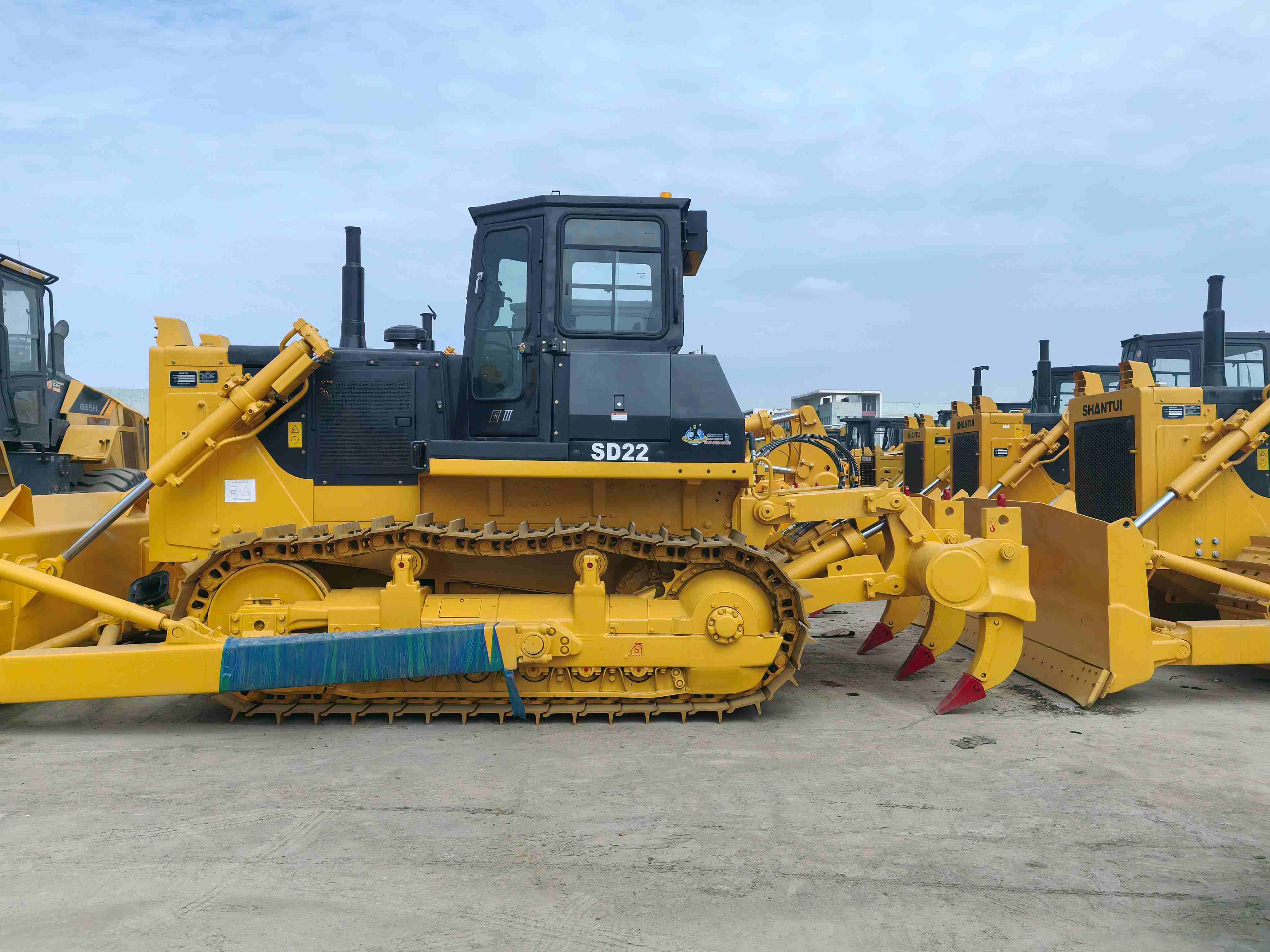
The industrial heartbeat of China isn't in the glossy showrooms of Shanghai or the promoted factory tours along the coast. It's tucked away in sprawling second-tier cities where the real trade happens through handshake deals and decade-old connections. In places like Yongkang or Linyi, the machinery isn't always new, but it's battle-tested, priced for volume, and often customized for niche markets that foreign buyers rarely glimpse on standard sourcing trips.
Walking through these hubs, you quickly learn that the best deals aren't advertised. They're shared over tea in cramped offices behind dusty warehouses, where a factory owner might offload an entire production line at a fraction of its book value simply to free up floor space for a new contract. These transactions are built on trust and speed, not contracts and catalogs. The machinery might bear a local brand you've never heard of, but its components often come from the same suppliers used by German or Japanese names—just without the sticker premium.
To actually find these hiding spots, you need more than a directory. You follow word-of-mouth from parts wholesalers, or you linger in the hardware markets that cluster around train stations in industrial towns. The real dealers rarely speak English, their online presence is minimal, and they're suspicious of sudden interest from abroad. But if you come through a known intermediary or return often enough that your face becomes familiar, the doors start to crack open. That's where the margin lives—not in the machine that everyone can find, but in the one nobody else bothered to look for.
Vetting Sellers with Proven Tactics, Not Just Promises
We skip the glossy brochures and dive straight into the seller's track record. Instead of taking their word for it, we look at actual sales data, delivery timelines, and how they handled hiccups in the past. If a supplier claims 99% on-time delivery, we want to see the logs that prove it—not hear about it over coffee.
References are more than a list of names we call once. We map out the seller's network, talk to past buyers at different stages of their business cycle, and cross-check stories. A glowing review from a one-time buyer means little if long-term partners quietly walked away. We dig until the pattern emerges, not just the highlights.
On-site visits become more than a factory tour when you watch how a team reacts under real deadlines. We show up unannounced sometimes, or schedule meetings during peak production runs to observe the chaos—or the calm. A tidy shop floor on a quiet Tuesday doesn't tell you much. But how they manage a rush order reveals everything about their real capabilities.
The Undercarriage and Heart: Key Components That Make or Break a Purchase
When something goes wrong underneath, everything above suffers. The undercarriage bears the brunt of rough terrain, salt, and moisture—silently absorbing abuse until rust or fatigue takes hold. Buyers who dismiss a clean frame and intact suspension as cosmetic details often learn the hard way that these parts carry the weight of long-term reliability. A vehicle that clunks over bumps or shows bubbling metal isn’t just old; it’s a liability waiting to happen.
But a solid skeleton means nothing without a strong heartbeat. The engine isn’t just a powerplant—it’s a storyteller. Smooth idle, crisp throttle response, and clean oil speak of careful stewardship. Conversely, hesitation, odd smells, or ticking noises are subtle confessions of neglect. A well-maintained heart doesn’t need to be showroom fresh; it just needs to prove it hasn’t been abused. That distinction often separates a diamond from a money pit.
These two forces—structure and power—shape every mile you’ll cover after the sale. A buyer obsessed with low miles or a fancy interior without crawling underneath or listening cold is gambling, not shopping. The best purchases happen when both the undercarriage and the engine align: one promising years of road readiness, the other delivering it without drama. Miss either, and you’ve bought a story you’d rather not tell.
Cracking the Price Code Without Overpaying for a Dozer
When you're in the market for a bulldozer, the sticker price rarely tells the whole story. Smart buyers know that the real cost includes more than just the initial figure—it's about digging into what's behind that number. Hours on the machine, maintenance records, and the kind of work it's been doing all play a huge role. A dozer that spent its life pushing light soil on a farm is a completely different animal from one that's been ripping rock on a construction site. You've got to ask the questions that get past the shiny paint and the dealer's pitch.
There's a quiet art to decoding a seller's asking price, and it usually starts with the undercarriage. A worn-out track system can torch thousands of dollars from your budget within months, yet it's often glossed over during a quick sale. Get down on the ground and look at the sprockets, rollers, and idlers. Measure the track sag, check for uneven wear, and listen for dry pins. If the seller can't produce recent undercarriage measurements, assume the worst and adjust your offer accordingly. The same goes for hydraulic systems—look for leaks, listen for whining pumps, and test everything under load if possible.
Beyond the machine itself, the market has its own hidden rhythms that affect what you'll pay. Auctions can be a goldmine, but only if you know how to read the room. Online listings often sit for a reason, and that reason isn't always obvious in the photos. Talk to operators who run the same model, connect with independent mechanics, and keep a running list of what similar dozers have actually sold for—not just what they were listed at. Cash in hand and a willingness to walk away will almost always give you the upper hand. When you negotiate with knowledge instead of emotion, you don't just crack the price code—you rewrite it in your favor.
Shipping Smarts: Moving Your Bulldozer Without Hidden Headaches
Before you even think about booking a truck, get your bulldozer’s measurements down to the inch. Dig up the manual or grab a tape measure—height with the stack folded, blade width, track length, and overall weight. A half-ton miscalculation can turn a simple haul into a permit nightmare or even a rejected load at the scale. If your machine has any fluid leaks, patch them up; carriers hate surprise puddles that invite fines. And jot down the year, make, and model, because a 20-year-old Cat might have a different center of gravity than a newer one, and that changes how they chain it down.
Don’t just pick the lowest bid or a buddy with a lowboy. You want a hauler who eats, sleeps, and breathes heavy iron—someone who knows that bulldozer blades can scrape asphalt on sharp turns if they’re not angled right. Ask flat-out how they’ll secure your machine: are they using chains and binders over the tracks or just straps on the undercarriage? A pro will talk you through their tie-down plan and won’t flinch when you request proof of cargo insurance. If they’ve never moved a dozer through mountain passes or across state lines, keep dialing.
The real headaches lurk in the details nobody mentions upfront. Oversize permits can take days to process, especially if your load exceeds 12 feet wide, and some states demand a pilot car on two-lane roads. Rush-hour curfews, seasonal frost laws, and bridge weight limits might force a longer route that gobbles up fuel surcharges. Get everything in writing: ramp fees, tarping costs, and what happens if your bulldozer has to sit overnight at a transfer yard because the driver ran out of hours. A thorough hauler will itemize these before you sign, leaving you with a firm price instead of a stack of surprise invoices.
FAQ
Chinese bulldozers like Shantui and XCMG offer a compelling balance of affordability and robust engineering. Many older models were built under license from established global manufacturers, so you get proven designs at a fraction of the cost of new Western machines.
Shantui, XCMG, and LiuGong consistently stand out. Shantui’s SD series, for example, has a solid reputation for durability in tough conditions, often rivalling more expensive international counterparts.
Request a live video inspection focusing on the undercarriage, engine hours, hydraulic hoses, and blade wear. Always ask for recent service records and, if possible, hire a local third-party inspector who can provide an unbiased report.
Yes, for mainstream brands. Shantui and XCMG have global dealer networks, and many aftermarket suppliers stock common wear items like track chains, rollers, and filters. It’s wise to confirm parts availability for your specific model and location before committing.
Overlooking import duties and emission regulations can be costly. Machines that lack proper documentation for age and maintenance history might also struggle with local registration. Always check that the bulldozer meets your country’s environmental standards.
Prices vary with age, hours, and condition, but you can expect to pay between $15,000 and $50,000 for a mid‑size machine in good working order. Factor in shipping, customs, and potential refurbishment when setting your total budget.
Absolutely, when properly maintained. Many contractors in mining and road construction rely on them for daily heavy earthmoving. The key is to match the machine’s specifications to the job’s demands and to stick with maintenance schedules.
Look for exporters with a long track record, verified trade assurance on B2B platforms, and willingness to share customer references. Avoid deals that seem too good to be true—transparent sellers will gladly provide detailed machine histories and inspection reports.
Conclusion
Buying a used bulldozer from China demands more than a quick glance at fresh paint. Dig into the machine’s history first—ask for service logs, hour-meter readings, and any repair invoices. A thorough undercarriage check is non-negotiable; worn tracks, sprockets, or rollers can quickly turn a deal into a money pit. Same goes for the engine and hydraulics: listen for odd knocks, watch for smoke, and test all functions under load. Beyond the equipment itself, you’ll need to navigate China’s sprawling machinery hubs like Xuzhou or Shanghai. Wholesale lots and online listings only show you part of the picture. Walk the yards if possible, and build rapport with local contacts who can point you toward machines that haven't been doctored for a quick sale. Vetting the seller is equally critical. Don’t rely on polished promises; instead, request video walkthroughs, live streams of the dozer in operation, and direct feedback from previous buyers. A seller worth trusting will never dodge a request for real-time proof.
Pricing in this market is rarely transparent. Instead of taking the first sticker price, compare quotes from multiple suppliers and cross-check against recent export data. Parts availability and brand reputation heavily sway the real cost—Komatsu and Caterpillar dozers hold value but often hide expense in potential repairs. Be prepared to haggle, but back it up with documented condition reports. Once you’ve settled on a machine, shipping brings its own maze. Paperwork like the export declaration, fumigation certificate, and bill of lading has to be flawless. Freight forwarders familiar with China’s port routines can save you from demurrage charges and customs delays. Factor in inland transport from the yard to the port, plus insurance. Smart buyers treat the logistics chain as part of the deal, not an afterthought, and always verify a dozer’s location before finalizing anything. The goal isn’t just a low price—it’s a reliable machine that arrives without extra headaches.
Contact Us
Contact Person: Sally Xiao
Email: [email protected]
Tel/WhatsApp: 086-18221477398
Website: http://www.shjiliangchi.com/