
Commercial Fitness Machine Manufacturer: Ultimate Guide to Durable Gym Equipment
2026-04-16
Welcome to the ultimate guide for commercial fitness machine manufacturers, where we dive into the essentials of durable gym equipment that stands the test of time. In an industry where quality and reliability are paramount, choosing the right manufacturer can make all the difference for your gym's success. Here at Yingruis, we're committed to engineering top-tier, long-lasting equipment that meets the rigorous demands of commercial settings. Get ready to explore what sets the best apart and how to ensure your investment pays off. Let's uncover the secrets to building a robust fitness space together!
Selecting Materials for Long-Lasting Fitness Equipment
When choosing materials for fitness equipment designed to endure years of use, it's essential to look beyond basic durability. High-quality steel, such as reinforced carbon steel or stainless variants, often forms the backbone of robust machines, offering resistance to wear and corrosion that keeps equipment stable under heavy loads. For components like handles or padding, consider synthetic materials like polyurethane or thermoplastic elastomers, which combine flexibility with toughness to withstand constant sweaty contact and repetitive motion.
Think about how different materials interact in a gym setting; for instance, powder-coated finishes on metal parts not only prevent rust but also add a touch of style that appeals to users. Incorporating advanced composites, like fiberglass-reinforced plastics, can reduce weight without sacrificing strength, making equipment easier to move and maintain. It's also worth exploring eco-friendly options, such as recycled metals or bio-based polymers, which enhance longevity while aligning with sustainability goals, setting your equipment apart in a crowded market.
Practical testing in real-world conditions can reveal insights that specs alone might miss—like how certain plastics hold up in humid environments or how coatings resist scratches from frequent adjustments. By blending traditional metals with innovative materials, you create gear that not only lasts but also evolves with fitness trends, ensuring it remains relevant and reliable for gym-goers seeking both performance and peace of mind.
Innovative Engineering Behind Durable Gym Machines
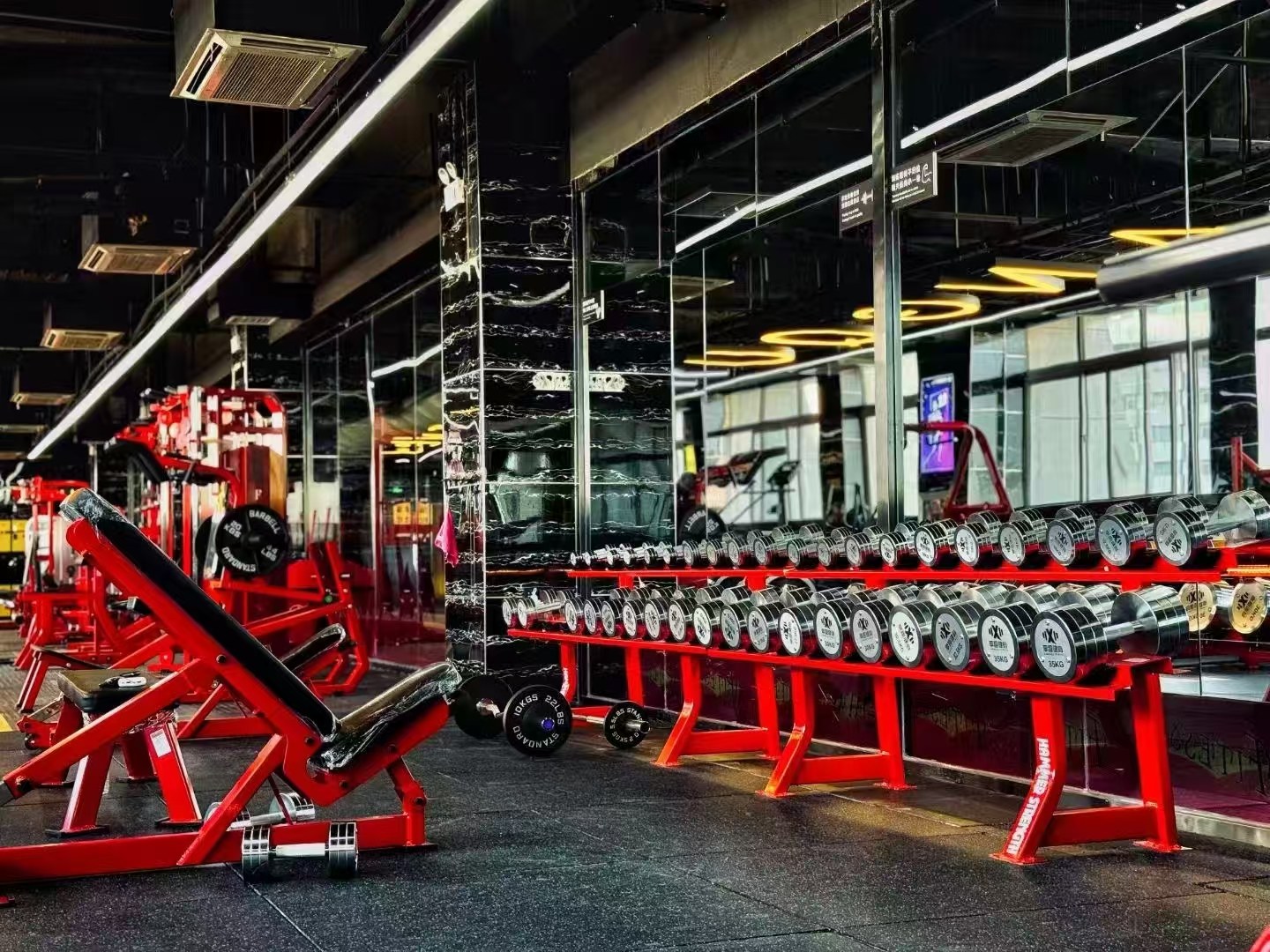
Have you ever wondered why some gym machines seem to last for decades while others break down after just a few months of heavy use? It all comes down to the groundbreaking engineering that goes into their design. Manufacturers invest heavily in research and development, focusing on materials like high-grade steel and reinforced polymers that can withstand constant impact and wear. This isn't just about making equipment stronger; it's about optimizing every component, from the bearings in the pulleys to the welds in the frame, to ensure longevity without sacrificing performance.
A key innovation in durable gym machines is the integration of smart technology that monitors usage patterns and stress points in real-time. This allows for predictive maintenance, alerting gym staff before a part fails, which drastically reduces downtime and repair costs. Furthermore, engineers are now employing biomechanical studies to design machines that mimic natural human movements, reducing strain on both the user and the equipment. This approach not only enhances safety but also extends the machine's lifespan by minimizing unnecessary friction and wear.
Another aspect often overlooked is the environmental testing these machines undergo before hitting the market. They're subjected to extreme conditions—like humidity sweeps, salt spray for corrosion resistance, and relentless force simulations—to guarantee they can handle the toughest gym environments. By blending traditional robust construction with cutting-edge tech, these innovations ensure that today's gym machines are built not just to last, but to evolve with fitness trends, offering unmatched durability that keeps gyms running smoothly for years.
Key Features That Extend the Lifespan of Your Equipment
Imagine the subtle difference between equipment that merely functions and gear that thrives over years of use. Key features designed to enhance longevity go beyond basic durability, integrating thoughtful engineering and user-friendly maintenance aspects. These elements, such as robust construction materials and accessible service points, help prevent premature degradation and reduce operational hiccups, ensuring your investments pay off for the long haul.
Consider features like advanced heat dissipation systems or corrosion-resistant coatings, which address common wear-and-tear issues in a proactive manner. By minimizing stress on components and adapting to various environments, these features extend the functional life of your equipment, much like a well-oiled machine that runs smoothly with less intervention. It’s not just about surviving harsh conditions; it’s about maintaining optimal performance consistently over time.
User-centric designs, such as easy-to-read diagnostic indicators or modular components, empower you to perform timely upkeep without specialized tools. This reduces downtime and prevents minor issues from escalating into major failures. In essence, these key features transform equipment from disposable assets into reliable partners, supporting your efforts with resilience and efficiency long after initial purchase.
Maintenance Tips to Prevent Wear and Tear
Keeping your equipment in top shape isn't just about fixing things when they break—it's about staying ahead of the game with regular upkeep. Simple habits, like wiping down machinery after use or checking for loose bolts before each run, can dramatically slow down the natural decline that comes with heavy use. Think of it as a daily quick scan that catches small issues before they snowball into costly repairs or downtime on the job.
One often-overlooked trick is paying attention to the environment around your gear. Excessive dust, moisture, or temperature swings can quietly accelerate wear, so storing items in a clean, dry space and using protective covers when not in use makes a real difference. It's like giving your tools a cozy home that shields them from the elements, helping parts last longer without the need for constant replacements or professional servicing.
Besides routine checks and smart storage, consider tailoring your maintenance schedule to how intensely you use each piece of equipment. High-frequency tools might need lubrication or part inspections every few weeks, while less-used items can go longer between tune-ups. By customizing your approach instead of following a rigid one-size-fits-all plan, you ensure that effort goes exactly where it's needed, saving time and keeping everything running smoothly for the long haul.
Designing for High-Traffic Commercial Environments
In bustling commercial spaces like retail stores, airports, or office complexes, designing for high-traffic environments requires a meticulous balance between aesthetics and durability. It's not just about creating visually appealing layouts; it's about anticipating wear and tear from constant use. Materials must withstand spills, scuffs, and heavy footfall without compromising on style, while furniture and fixtures need to be anchored securely to prevent accidents. Think of it as crafting a space that can handle the daily rush hour, day in and day out, without showing signs of strain.
Beyond resilience, functionality plays a crucial role in these settings. Smart design considers human flow patterns to minimize congestion and enhance user experience. For instance, clear signage and intuitive wayfinding can guide visitors effortlessly, reducing frustration and improving efficiency. Incorporating modular elements allows for quick reconfiguration to adapt to changing needs, whether it's for seasonal displays or large events. This adaptability ensures the environment remains dynamic and responsive, keeping pace with fluctuating demands.
Lighting and acoustics are often overlooked but are vital in high-traffic commercial areas. Strategic lighting can highlight key features while creating a welcoming atmosphere, whereas poor acoustics can lead to noise buildup that detracts from the overall ambiance. By selecting sound-absorbing materials or integrating noise-reducing technologies, designers can craft spaces that feel calm and controlled even during peak hours. Ultimately, it's about blending practicality with innovation to create environments that not only endure but thrive under pressure.
Comparing Durability Across Different Machine Types
When evaluating the durability of various machine types, it's crucial to look beyond basic specs and consider real-world applications and environmental factors. For instance, industrial-grade machinery used in heavy manufacturing tends to be built with reinforced materials like stainless steel and shock-absorbing components, designed to withstand constant vibrations and high loads over decades. In contrast, consumer-grade devices, such as home appliances or office equipment, often prioritize cost-efficiency, resulting in lighter builds and shorter lifespans under similar conditions. This disparity highlights how durability is tailored to expected usage, not just as a standalone feature.
Interestingly, some modern hybrid machines, like those in the agricultural or construction sectors, blend durability with flexibility. These units are engineered to handle variable terrains and weather extremes, incorporating modular parts that can be easily replaced when worn out, thus extending their operational life without a full overhaul. Such designs demonstrate a shift from traditional, monolithic builds to more adaptable solutions, which can offer superior cost-effectiveness over time compared to rigid, high-end industrial models that might be over-engineered for simpler tasks.
Another key aspect is maintenance cycles, which significantly impact durability across machine types. For example, medical equipment in hospitals requires frequent calibration and gentle handling to ensure precision and longevity, often lasting longer with proper care than rugged outdoor tools that face harsher wear but are designed for easy, on-site repairs. By comparing these practices, users can better assess which machine type aligns with their durability needs, whether it's for high-reliability in critical operations or for resilience in unpredictable environments where quick fixes are more practical than long-term robustness.
FAQ
Durability stems from a holistic design approach: high-grade steel frames, corrosion-resistant coatings, precision-engineered moving parts with minimal friction, and rigorous stress testing under real-world gym conditions to ensure longevity even with heavy, frequent use.
Implement a scheduled maintenance plan that includes regular cleaning, lubrication of joints and bearings, tightening of bolts, and inspections for wear and tear. Training staff to spot early signs of damage can prevent costly repairs and extend machine life.
Prioritize models with powerful, continuous-duty motors (3.0 HP or higher), heavy-duty decks that absorb impact, reinforced frames, and advanced electronic systems resistant to moisture and dust. Look for warranties that cover commercial use specifically.
Safety ensures equipment withstands misuse without failing, reducing injury risks. It's achieved through ergonomic designs to prevent strain, safety locks on moving parts, non-slip surfaces, and compliance with international standards like EN 957 for stability and durability.
Using aircraft-grade aluminum or reinforced steel for frames reduces weight while maintaining strength, while high-density polymers and sealed bearings in pivot points minimize wear. This enhances smooth operation and resists deformation under heavy loads over time.
Innovation introduces smart technologies like self-diagnostic systems that alert to maintenance needs, advanced coatings that resist sweat and chemicals, and modular designs allowing easy part replacement, all contributing to longer lifespan and reduced downtime.
Load testing simulates years of intense use in a controlled environment, identifying weak points in frames, welds, and components. This ensures machines meet strict durability benchmarks before market release, guaranteeing reliability in commercial settings.
Conclusion
To ensure longevity in commercial fitness equipment, manufacturers must prioritize high-grade materials like reinforced steel alloys and corrosion-resistant components, as highlighted in Selecting Materials for Long-Lasting Fitness Equipment. This foundation is enhanced by Innovative Engineering Behind Durable Gym Machines, which incorporates robust frames and advanced mechanisms to withstand constant use. By integrating Key Features That Extend the Lifespan of Your Equipment—such as ergonomic designs and heavy-duty bearings—these machines offer superior durability. Proper Maintenance Tips to Prevent Wear and Tear are crucial, including regular lubrication and inspections to address minor issues before they escalate.
Designing for High-Traffic Commercial Environments involves creating equipment that can handle intense, daily usage without compromising performance, ensuring reliability in busy gyms. Comparing Durability Across Different Machine Types reveals that strength trainers and cardio machines may require tailored approaches, but all benefit from these strategies. Ultimately, this comprehensive guide empowers manufacturers to produce gym equipment that not only meets but exceeds durability expectations, delivering value and safety to end-users through well-rounded engineering and maintenance practices.
Contact Us
Contact Person: Owen Wu
Email: [email protected]
Tel/WhatsApp: 86-15376736259
Website: https://www.yingruisfit.com/