

Current Transformer Factory Innovations: Enhancing Power Measurement Solutions
2026-01-10
In the realm of power measurement, innovation is not just a buzzword—it's the driving force behind more accurate, efficient, and reliable solutions. As industries worldwide face increasing demands for energy management and grid stability, current transformer (CT) factories are at the forefront of transformation, pushing the boundaries of technology to meet these challenges head-on. At Lugao, we're excited to explore how cutting-edge advancements in CT manufacturing are reshaping the landscape, offering smarter tools for monitoring and optimizing power consumption. From enhanced sensitivity to seamless integration with digital systems, discover the key innovations that are setting new standards. Join us as we delve into the future of power measurement, where precision meets practicality.
Smart Sensors Redefine Accuracy in Modern Electrical Grids
Gone are the days of relying on periodic manual inspections and rough estimations for power grid performance. Today, smart sensors embedded throughout the grid—from transmission lines to substations and even individual homes—continuously monitor a vast array of parameters. These aren't just simple voltage or current meters; they capture real-time data on power quality, phase imbalances, temperature fluctuations, and mechanical stress.
This influx of precise, granular data fundamentally changes how grid operators manage accuracy. Instead of reacting to reported outages or scheduled maintenance, they can now predict and prevent failures. For example, a sensor detecting a subtle, consistent temperature rise in a transformer can trigger an alert long before a catastrophic failure occurs, allowing for targeted, proactive maintenance that minimizes downtime and enhances overall grid reliability and safety.
Ultimately, this sensor-driven accuracy enables a more dynamic and responsive grid. It allows for better integration of intermittent renewable sources like solar and wind by providing exact real-time data on generation and demand. This precision facilitates optimized power flow, reduces energy losses, and paves the way for advanced applications like real-time pricing and automated demand response, creating a grid that is not only more accurate but truly intelligent and resilient.
How IoT Connectivity Boosts Real-Time Monitoring Capabilities
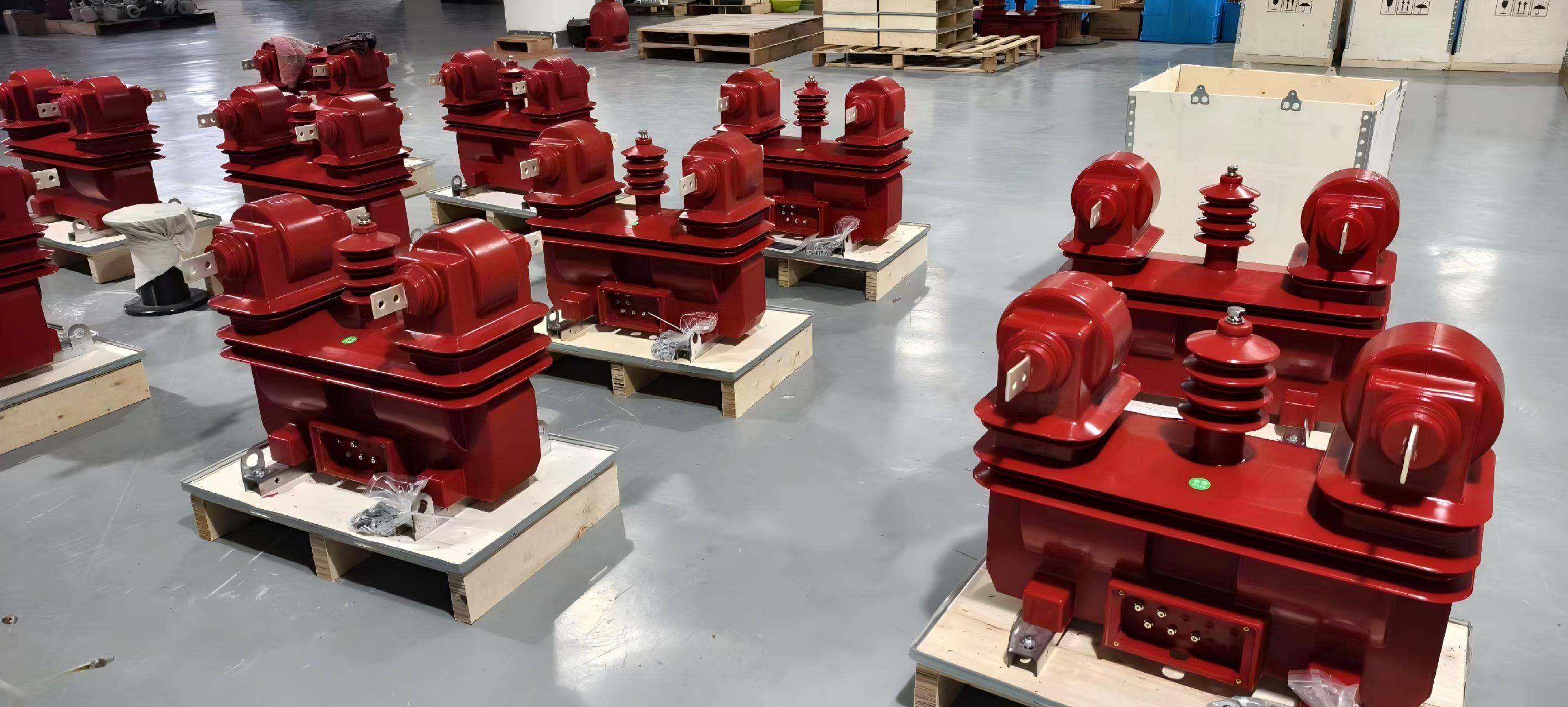
The seamless integration of IoT connectivity transforms real-time monitoring by enabling devices to communicate instantly across networks, capturing data from sensors and environments with minimal delay. This allows businesses to respond proactively to events, such as equipment malfunctions or environmental changes, enhancing operational efficiency and reducing downtime.
With IoT connectivity, scalability in monitoring systems becomes achievable, as it supports a vast array of connected devices without compromising on speed or reliability. This capability is crucial for sectors like healthcare, where continuous patient tracking can lead to timely interventions and improved outcomes.
Moreover, IoT connectivity facilitates advanced analytics by feeding live data into AI algorithms, which can identify patterns and anomalies that might go unnoticed in traditional setups. This not only boosts the precision of monitoring but also opens up new possibilities for predictive maintenance and personalized services, making systems smarter and more adaptive to real-world demands.
Cutting-Edge Materials for More Durable Transformer Designs
Advances in material science are revolutionizing transformer design, pushing durability boundaries that once seemed fixed. Engineers now leverage nanomaterials like carbon nanotubes and graphene composites to enhance thermal conductivity and electrical insulation, significantly reducing hotspots and failure rates in high-demand environments.
Beyond traditional metals, emerging alloys and ceramics—such as amorphous metals and silicon carbide—offer superior corrosion resistance and mechanical strength, allowing transformers to withstand extreme weather conditions and prolonged operational stresses without degrading performance.
These innovations not only extend lifespan but also improve efficiency, paving the way for smarter, more resilient power infrastructure that meets evolving energy demands while minimizing maintenance costs and environmental impact.
AI Integration: Making Power Data Analysis Smarter and Faster
The integration of artificial intelligence into power data analysis isn't just about adding another tool—it's about fundamentally reshaping how we understand and interact with energy systems. By leveraging advanced machine learning algorithms, AI can sift through colossal datasets from smart grids and sensors in real-time, identifying patterns that human analysts might miss entirely. This capability allows for proactive management of power consumption, predictive maintenance of infrastructure, and more accurate forecasting of demand spikes, ultimately leading to reduced downtime and optimized energy distribution.
What sets this approach apart is its adaptability; unlike static models, AI systems continuously learn from new data, refining their predictions and becoming more precise over time. For instance, in renewable energy contexts, AI can analyze weather patterns, historical generation data, and consumption trends to dynamically adjust power outputs from sources like solar and wind. This not only enhances efficiency but also mitigates the variability inherent in green energy, making it a more reliable component of the grid and accelerating the transition to sustainable power solutions.
Beyond efficiency, the real impact lies in democratizing insights that were once confined to specialized teams. AI-driven analytics platforms can present complex data in intuitive visualizations, empowering operators and decision-makers at all levels to make informed choices quickly. Whether it's detecting anomalies that signal potential failures or optimizing load balancing across regions, this technology transforms raw data into actionable intelligence, fostering smarter, faster responses to the evolving demands of modern power networks.
Energy-Efficient Transformers That Lower Operational Costs
In the world of industrial equipment, transformers often lurk in the background, quietly consuming substantial energy and driving up operational expenses. Yet, recent advancements have sparked a shift toward energy-efficient designs that not only slash power usage but also cut down on maintenance demands. By incorporating advanced materials like amorphous metal cores and optimizing cooling systems, these modern transformers minimize losses during electricity conversion, leading to direct savings on utility bills for businesses and facilities. The initial investment in such technology can pay off surprisingly quickly, making it a smart choice for any organization focused on long-term financial health.
What sets these innovative transformers apart is their ability to adapt to fluctuating loads more smoothly than traditional models. With features like dynamic voltage regulation and smart sensors that monitor performance in real-time, they avoid the inefficiencies of over- or under-supplying power, which is common in older systems. This not only reduces energy waste but also extends the equipment's lifespan, lowering replacement costs and minimizing downtime. For example, in data centers or manufacturing plants where power stability is critical, these transformers provide reliability while keeping expenses in check.
Beyond the immediate cost benefits, energy-efficient transformers contribute to broader sustainability goals by curbing carbon emissions, aligning with corporate environmental initiatives. Companies adopting these solutions often find that they qualify for green incentives or rebates, further offsetting operational costs. As industries increasingly prioritize both profitability and eco-friendliness, investing in such transformers becomes a strategic move that delivers on multiple fronts—ensuring robust performance without breaking the bank.
Modular Systems for Easier Installation and Maintenance
Imagine a world where upgrading your equipment doesn't require tearing down entire setups or navigating a maze of wires. Modular systems are designed with this exact scenario in mind, offering a plug-and-play approach that simplifies installation processes significantly. Instead of dealing with complex integrations, components snap together seamlessly, allowing for quick deployments without specialized technical expertise. This flexibility means you can start small and expand as needs grow, all while keeping downtime to an absolute minimum—a game-changer for businesses looking to stay agile.
When it comes to maintenance, modular designs truly shine by turning what used to be a headache into a straightforward task. Since each module functions independently, identifying and replacing faulty parts is as simple as swapping out a single unit rather than dismantling the whole system. This not only cuts repair costs but also extends the lifespan of your investment, as updates can be applied piecemeal without obsolescence looming. Users appreciate how this reduces reliance on external technicians, empowering teams to handle routine upkeep in-house with confidence.
Beyond just convenience, these systems foster innovation by encouraging customization and scalability. Whether you're in manufacturing, IT, or renewable energy, modular architectures adapt to evolving requirements without forcing a complete overhaul. They promote sustainability too, as components can be reused or recycled more easily. In an era where efficiency and resilience are paramount, embracing modularity isn't just a trend—it's a strategic move that keeps operations smooth and future-proof.
FAQ
Recent innovations focus on improving accuracy, integration with digital systems, and sustainability. This includes advancements in materials like nanocrystalline cores for higher precision, smart sensors for real-time data collection, and designs that reduce energy loss and environmental impact, making them more efficient for modern applications.
They enhance power measurement by providing more reliable and precise data. Innovations like digital output interfaces allow seamless connectivity to monitoring systems, enabling better load management. Improved accuracy reduces errors in billing and compliance, while features like self-diagnosis help prevent failures, leading to smarter grid operations.
Smart sensors enable real-time monitoring of parameters such as current, temperature, and vibration. This allows for predictive maintenance, early fault detection, and optimized performance. By integrating with IoT platforms, they support automated data analysis and enhance overall system efficiency in power measurement applications.
Yes, sustainability benefits include reduced energy losses through efficient designs, use of eco-friendly materials like recyclable components, and longer lifespans that minimize waste. Some transformers also support renewable energy integration by handling variable loads better, contributing to greener power systems.
Digital interfaces, such as Ethernet or wireless connections, simplify data transmission and integration with control systems. They eliminate the need for manual readings, provide remote access to measurements, and support compatibility with smart grid technologies, making installation and maintenance more straightforward and cost-effective.
Challenges include higher initial costs for advanced models, the need for skilled personnel to manage digital systems, and potential compatibility issues with older infrastructure. Ensuring cybersecurity for networked transformers and meeting regulatory standards for new technologies can also pose hurdles in implementation.
Conclusion
Recent innovations in current transformer factories are significantly enhancing power measurement solutions, particularly through the adoption of smart sensors and IoT connectivity. Smart sensors are redefining accuracy in modern electrical grids by providing precise, real-time data that improves grid reliability and efficiency. Meanwhile, IoT connectivity boosts monitoring capabilities, allowing for seamless data transmission and better management of power systems. These advancements enable utilities to respond faster to fluctuations and optimize energy distribution, making grids more resilient and responsive to changing demands.
Further improvements stem from cutting-edge materials and AI integration, which contribute to more durable transformer designs and smarter data analysis. The use of advanced materials enhances durability, reducing maintenance needs and extending lifespan, while AI-driven analytics process power data faster, uncovering insights for predictive maintenance and cost savings. Additionally, energy-efficient transformers lower operational costs by minimizing energy losses, and modular systems simplify installation and maintenance, offering flexibility and scalability. Together, these innovations transform power measurement into a more efficient, cost-effective, and adaptable process, supporting sustainable energy management in diverse applications.
Contact Us
Contact Person: Doreen
Email: [email protected]
Tel/WhatsApp: 8618057712366
Website: https://www.liugaopower.com/