

Electric Valve Exporter Insights for Smarter Global Sourcing
2026-11-16
Electric valve sourcing fails in small, expensive details. A quote looks competitive, the compliance folder seems complete, and then the shipment arrives with mismatched voltage, thin documentation, or no one to call when the install stalls. This guide pulls together practical electric valve exporter insights for smarter global sourcing—covering audit signals, testing evidence, and post-order support. Field-level lessons shared by UPTAI help buyers separate suppliers who perform from those who only promise.
The Certification Claims That Crumble Under a Factory Visit
A framed ISO 9001 certificate in the lobby says very little about the line where it actually matters. Walk past the reception desk and the gaps start showing up: calibration stickers on measuring tools that expired months ago, an incoming inspection area stacked with untagged parts, and a quality manager who cannot locate the latest internal audit report. The certificate may be genuine, but the system it claims to represent is often kept alive only for the annual surveillance visit.
The most revealing moment is usually unscripted. Ask an operator what happens when a batch fails a leak test. If they point to a red tag procedure nobody follows, or if the rework area is just a table near the loading dock, the paperwork begins to lose its weight. A factory visit does not by itself disprove a certification, but it shows whether the standard has become a habit or a decoration. Once the documented process and the physical process drift apart, the claim quietly falls apart in the details.
What the Test Bench Tells You Before a Quote Reaches Your Inbox
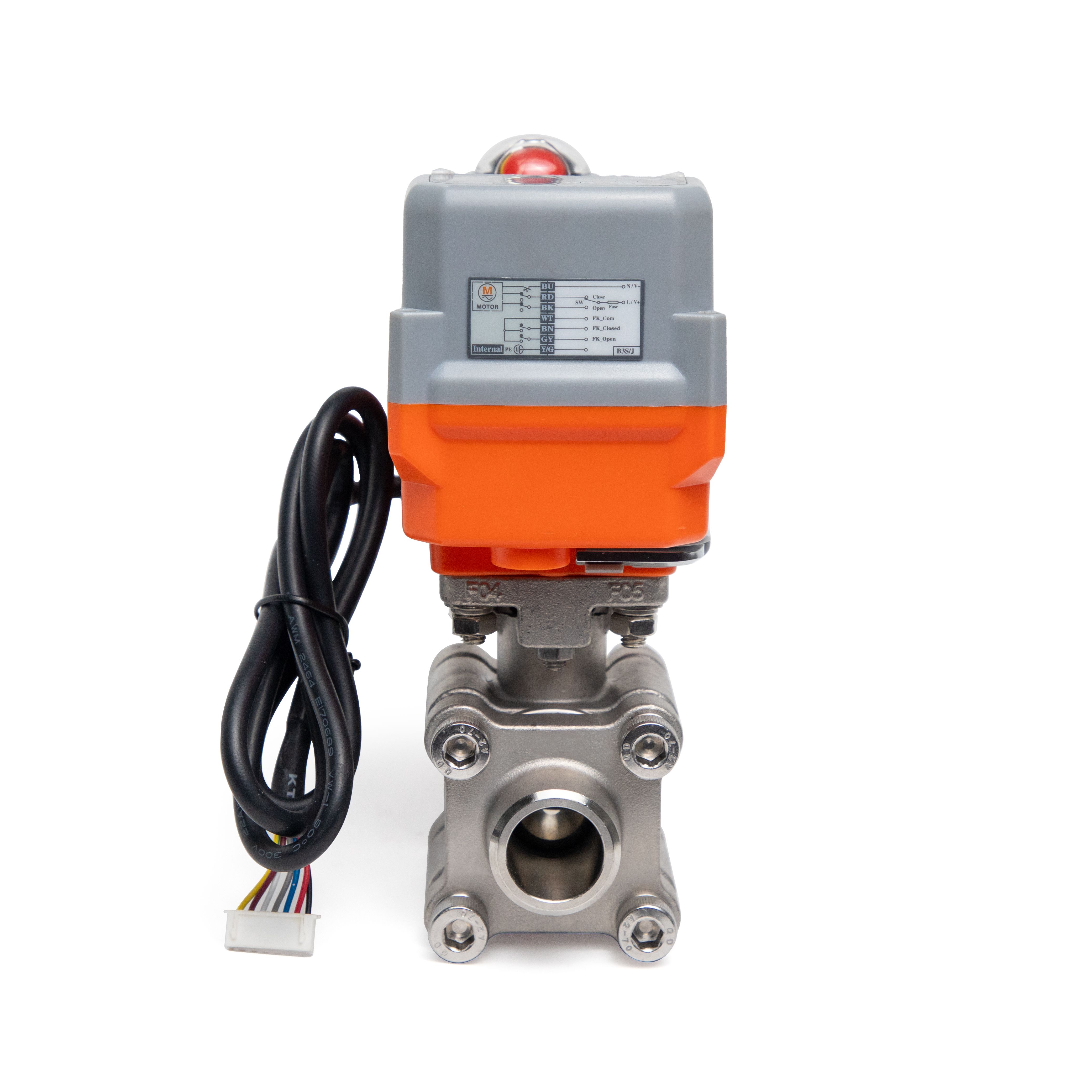
Long before a supplier sends over numbers, the test bench has already done the quiet work of separating hopeful specs from repeatable results. It flags the gap between a datasheet's peak performance and what actually holds up under thermal load, voltage drift, or a few hours of sustained operation. Those early readings rarely make it into a polished proposal, but they shape which components get shortlisted and which get quietly set aside.
The bench also reveals failure modes that only show themselves when you stop looking at averages. A part that performs beautifully on paper can develop a subtle oscillation at a specific temperature, or draw more current as the board warms up. Those are the details that change a bill of materials before the first formal quote ever lands in your inbox. Engineers who spend time reading these signals tend to ask sharper questions about tolerance, derating, and lifecycle behavior.
What finally arrives as a quote is less a starting point and more a filtered summary of everything the bench already ruled in or out. The numbers carry the residue of rejected alternatives, adjusted expectations, and hard-won confidence in a handful of choices. That is why two quotes for what looks like the same requirement can sit far apart: one has been through the bench, and the other has only been through a spreadsheet.
Where Electric Valve Exporters Actually Recover Their Margins
The invoice value of the valve itself rarely tells the truth about profitability. Once raw material premiums, actuator sourcing, certification fees, and export logistics are stripped out, the initial sale often leaves a thinner net than most distributors assume. The difference between a struggling exporter and a stable one usually appears after the shipment has cleared customs, not before.
In practice, margins resurface in the work that follows the original order: spare parts kits, retrofitting older electric actuators, firmware updates, calibration support, and long-term service agreements. These lines carry less price sensitivity because the buyer is already locked into the installed base and values continuity over another round of supplier qualification.
A smaller but consistent recovery also comes from regional inventory placement and reconditioned units. Exporters who hold localized buffer stock can convert urgent replacement demand into premium pricing, while certified rebuild programs turn returned or obsolete valves into a second margin stream that competitors without reverse logistics simply cannot match.
Why Voltage Standards Keep Reshaping the Global Sourcing Map
A blender designed for the U.S. market rarely makes it onto European shelves without a costly rethink. The split between 110–120V/60Hz and 220–240V/50Hz systems is not just an engineering footnote; it forces buyers to choose which voltage ecosystem a factory is really wired for. A Thai plant that runs efficiently on 220V tooling may be a poor fit for a North American order, even if its labor costs look attractive. This single variable quietly pushes sourcing teams toward regional clusters instead of one low-cost base.
The ripple effects show up in inventory and compliance long before a shipment reaches a warehouse. Dual-voltage designs add components, testing, and certification time, while single-voltage products lock a brand into specific markets. A power tool rated for 120V cannot simply be relabeled for a German retailer. As a result, sourcing maps increasingly split between 230V-centric hubs in Southeast Asia and Eastern Europe, and 120V-oriented capacity in Mexico and parts of China. The lowest unit price matters less than avoiding a voltage mismatch that strands entire production runs.
What makes this shift persistent is that voltage standards are rooted in national grid infrastructure, not fashion. They change slowly, if at all. Sourcing professionals who treat them as a fixed design input rather than an afterthought tend to build supplier networks around regional electrical regimes. That is why the map keeps redrawing itself: every new product category, from heat pumps to EV chargers, inherits the same old divide and forces another round of regional sourcing decisions.
The Hidden Freight Costs That Hit Small Valve Orders Hardest
A small valve order rarely travels at the rate shown on the initial quote. Carriers apply minimum charges that assume a much denser, heavier shipment, so a single 10-pound valve moving across two states can cost the same as shipping an entire pallet. That base charge quietly absorbs margin before any special handling is even mentioned.
The real damage happens after pickup, when fees begin to stack. Residential delivery, liftgate service, limited access stops, and dimensional reclassification all appear on the final invoice without warning. A compact valve wrapped in oversized protective packaging can be bumped into a higher freight class, while delivering to a construction trailer or storage yard adds surcharges that were never listed at checkout.
Small orders feel these costs hardest because there is no volume to dilute them. The most effective counter is not simply chasing cheaper quoted rates but consolidating smaller valve orders into fewer shipments, checking carrier invoices for after-the-fact reclassifications, and negotiating minimums that reflect actual package dimensions and delivery conditions. Without that discipline, the hidden freight layer can easily outstrip the value of the valve itself.
How Dependable Exporters Manage Problems Without Being Asked
Dependable exporters tend to treat problems as part of the production timeline, not as interruptions to it. A supplier being two days late on a component rarely turns into a crisis because the exporter has already checked the schedule, spoken to the workshop, and shifted the packing date before the client notices. This habit comes from watching the whole order move, not just waiting for milestones to pass.
What sets them apart is the way they handle transport and customs. When port congestion starts to build or a trucking shortage appears, they do not sit on the information. They compare alternative routes, sometimes split a shipment, and then give the buyer a clear trade-off: pay a bit more for air freight or accept a revised arrival window. That kind of message is usually followed by a concrete plan, not an apology after the delay has already happened.
They are also willing to push back early when a request is likely to fail. If a buyer asks for packaging that cannot survive a humid container journey, a dependable exporter will say so before production, explain the risk, and offer a modified structure that keeps the product safe. It may not always be what the customer wants to hear, but it prevents the worse conversation that comes after damaged goods arrive.
FAQ
Look beyond the basic compliance paperwork. Inconsistent serial number formats, vague answers about actuator sourcing, or reluctance to share a recent bill of lading usually reveal more than a price quote does.
Standard units can ship in as little as three weeks if the exporter keeps buffer stock. Customized torque settings, coatings, or flange drilling typically add four to seven weeks, not counting approvals.
It depends on the destination and the site. ATEX or IECEx matters for hazardous areas, SIL ratings for safety loops, and regional marks like EAC or CRN often become the gatekeepers you discover too late.
Not always. For a small trial order, a video walkthrough and live test footage can be enough. For anything above a few hundred units, an in-person or third-party audit saves more than it costs.
Buyers often compare only the unit price while ignoring valve body material origin, actuator brand, and whether limit switches are included. One stripped-down quote can look 20% cheaper but cost far more after retrofitting.
Most credible exporters offer a defined warranty window, often 12 to 18 months, and will ship replacement boards or actuators before receiving the faulty part. If they promise indefinite support without written terms, treat it as a risk.
A common oversight. A 60 Hz actuator running on a 50 Hz supply runs hotter and delivers different timing. Always confirm coil voltage, frequency tolerance, and whether the exporter has shipped to your grid standard before.
Ask a scenario question about modulating control versus on-off duty or about derating at high ambient temperatures. The speed and depth of the answer separates trading companies from manufacturers.
Conclusion
A low factory price for an electric valve rarely tells you much about what happens after the order leaves the port. Certifications can look flawless in a PDF and still crumble when you walk the production floor and notice that torque testing is sporadic or that material traceability stops at the assembly line. The test bench is more honest. Watching how a valve behaves under repeated cycling and variable pressure reveals the kind of information that a quote simply cannot carry, especially when actuator sizing and seating force are slightly off. Buyers who treat the bench report as part of the negotiation tend to avoid the worst surprises later.
The economics of exporting electric valves have shifted in less obvious places. Voltage standards now fragment the global sourcing map because a motor rated for one region can become a liability in another, and suppliers who handle these variations well are quietly gaining ground. Freight remains a hidden tax on smaller orders, where dimensional weight and minimum charges eat into what looked like a strong unit price. Reliable exporters recover their margins not by cutting corners but by consolidating shipments, anticipating regional certification quirks, and resolving problems before the customer has to ask. That last habit is often the real difference between a supplier and a dependable partner.
Contact Us
Contact Person: Adonis
Email: [email protected]
Tel/WhatsApp: 8615858822657
Website: https://www.uptaivalve.com