

Event RFID Wristband Factory Essentials for Flawless Event Check-Ins
2026-11-16
A flawless check-in experience starts long before attendees arrive—it begins in the factory that produces your RFID wristbands. If chip consistency, wristband durability, or anti-counterfeit features aren't on your sourcing checklist, you're risking delays at the gate. This guide breaks down the must-check essentials, and why BAOBI is the manufacturing partner smart event planners trust.
The Wristband Material That Survives Crowds, Sweat, and Security
Most festival wristbands snap within a day, but the ones made from woven polyester with a heat-sealed laminate hold up through mosh pits, rain-soaked tents, and three-day unwashed skin. The trick is in the thread density, not the thickness. A tight weave prevents fraying when rubbed against denim or backpacks, while the laminate seals the edges so sweat and sunscreen can't seep into the fibers and weaken the band's integrity. After a weekend of abuse, these wristbands still look crisp enough to scan at the exit gate without a fight.
Security checkpoints are the real test. Cheap silicone or vinyl bands get sticky or tear when yanked by a gloved hand, but the polyester weave has just enough give to slide over a wrist without snapping, yet it won't stretch out permanently. That matters when you're in line behind two thousand people and the guard needs a quick visual confirmation. The printed barcode or QR code also stays legible because the ink is applied before the laminate, so it doesn't rub off on sunblock or beer spills. By Sunday afternoon, the band still reads clean, even if the wearer doesn't.
What really sets this material apart is its refusal to absorb odor. Cotton and woven nylon start to smell like a gym bag after a few hours, but the polyester's tight surface doesn't trap bacteria or moisture. You can wear it in the shower, sleep in it, and pass it to a friend for a second entry without embarrassment. It's a small thing, but when you're packed shoulder to shoulder with strangers in the heat, the last thing you want is a wristband that reminds you of the port-a-potty line. This material simply shrugs it all off.
Chip Tuning Tricks for Gate Reads That Never Lag
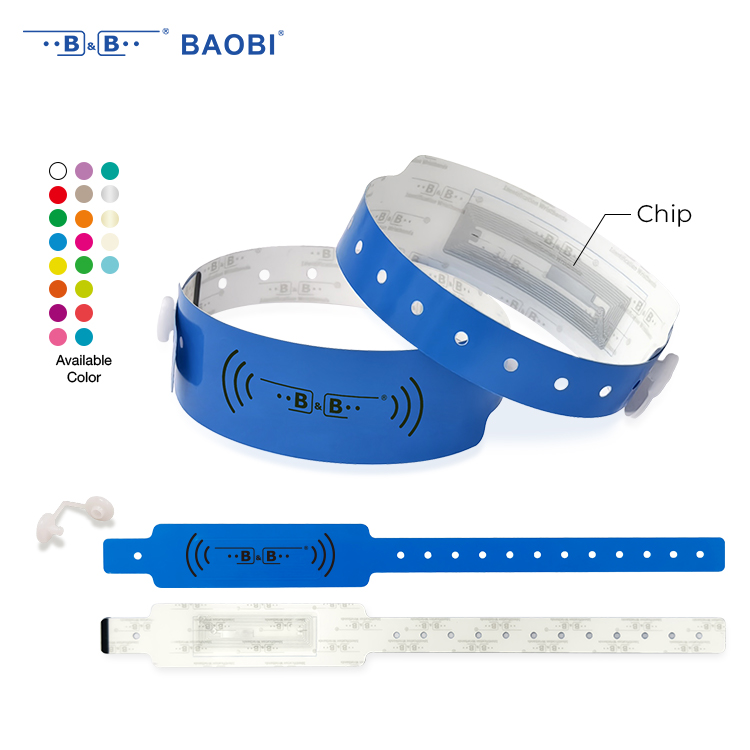
Before you start chasing boost curves, fix the gate read lag at the sensor level. Most factory calibrations sample the throttle gate or wastegate position at a lazy rate, then add a software filter on top. Raise the sample rate if your tuning suite exposes it; if not, wire a direct analog gate position sensor to an unused ECU input and map it as a raw voltage. Then remap the driver demand table so a 30% pedal gives a sharper gate angle instead of a soft, delayed ramp.
Next, calm the wastegate PID loop by killing the default filter on the gate position feedback. That filter is there for noise, but it turns a fast gate read into a blur. Pull it down or zero it, then tune the duty cycle and preload so the gate starts opening just before target boost. Otherwise the ECU keeps correcting based on a stale position, and you get that rubber-band lag when you roll into throttle.
One last trick: pull two or three degrees of ignition timing right off idle. It sounds counterintuitive, but it raises exhaust gas energy and spools the turbo faster, which makes the gate read feel instant. Log pedal voltage, gate voltage, and MAP together. If gate voltage lags pedal by more than twenty milliseconds, you still have a read path issue. Fix that before touching fuel or boost targets.
Factory Customization That Makes Your Event Hard to Copy
Some events look busy and well styled from a distance, but up close they reveal the same rental inventory everyone else uses. True differentiation starts at the factory level, where the structure is drafted from scratch, molds are cut for a single run, and finishes are matched to a specific venue or brand palette. That kind of production depth means even if a competitor photographs every angle, they still cannot order the same parts or find a workshop willing to replicate the exact texture, weight, or joinery.
The real advantage of working with a customization-focused factory is the ability to turn vague creative ideas into exclusive physical elements. A brand's signature material can be enlarged into a full entrance installation, or an irregular stage shape can be engineered to fit the column spacing of a particular hall. These decisions are rarely documented in catalogs; they live in the experience of the production team and the relationships with specialist suppliers. What a copycat captures is only the surface image, not the load-bearing logic, the hidden reinforcement, or the subtle proportion that makes the piece feel intentional.
What becomes nearly impossible to steal is the accumulated knowledge between a planner and a factory: knowing which lacquer stays matte under evening lighting, which foam density keeps a lounge seat comfortable for three hours, and which edge detail reads as premium in photographs. When those preferences are turned into repeatable event-specific specifications, the result is a visual and tactile signature that cannot be matched by buying off-the-shelf pieces or sending a reference photo to a generic vendor. That kind of factory-backed uniqueness is what makes an event genuinely difficult to copy.
The Pre-Shipping Stress Tests That Predict On-Site Reliability
When a batch of new hardware rolls off the line, the spec sheet rarely tells you how it will behave after six months of thermal cycling, power spikes, and impatient users. That gap between factory promise and field performance is where pre-shipping stress tests earn their keep. We subject every board, connector, and solder joint to deliberate abuse: rapid temperature swings from -40°C to 85°C, vibration sweeps that mimic aural fatigue from nearby cooling fans, and voltage transients far beyond nominal ratings. The goal isn't to see if a unit survives once—it's to find the weak link that will fail on a Tuesday afternoon at a customer site.
The real predictive power comes from running these tests on a statistically meaningful sample, not a single golden unit. We pull boards from multiple production lots, then run them through a condensed lifecycle: thermal soak, mechanical shock, and repeated power cycling while monitoring for subtle drift in clock signals or rising bit error rates. A unit that passes a basic functional check but shows a 2% increase in jitter after 500 cycles is flagged. That kind of early warning lets us revise a component layout or swap a marginal capacitor before a single customer ever sees a blue screen.
What separates useful stress testing from theater is a tight feedback loop with failure analysis. Every crack, lifted pad, or degraded solder joint gets cross-sectioned and imaged under a microscope. The findings feed directly back into the design rules and vendor selection criteria. Over time, this builds a statistical model of which test profiles actually correlate with on-site reliability. A test that never catches a real-world failure mode gets dropped; one that consistently exposes latent defects earns a permanent spot in the pre-shipping gauntlet. That iterative tuning keeps the tests honest and the field returns low.
Encoding Data Flows Without Creating a Check-In Traffic Jam
Instead of performing full encoding during the check-in call, treat ingestion as a lightweight capture step that only validates the bare minimum and then hands off to a distributed encoding pipeline. This split keeps the check-in endpoint fast while allowing encoding workers to scale horizontally, so a spike in arrivals does not form a queue at the front door.
Partitioning is what prevents the encoding stage from turning into a traffic jam of its own. By sharding incoming data on a stable key and giving each shard its own bounded buffer, you can isolate slowdowns to a single worker instead of stalling the whole flow. When a shard starts to fall behind, excess items are parked in a side channel and processed in a later cycle rather than blocking new check-ins.
The real difference shows up under load. A naive design that encodes synchronously makes every check-in wait for a full transform, so latency climbs exactly when volume peaks. A flow-aware design treats encoding as an independent stream that can be fanned out, merged, and replayed, which means check-in remains a short handshake and the encoded output can be materialized on its own schedule.
Why Waterproofing Is Only Half the Durability Story
Waterproofing gets a lot of attention, and for good reason—water intrusion can ruin almost anything. But treating it as the single measure of durability ignores a whole set of forces that break materials down over time. A jacket that keeps rain out but falls apart after a season of sun exposure isn't truly durable. The same logic applies to building materials, outdoor gear, and even electronics. Water resistance is just one chapter in a much longer story.
Think about what happens to a rubber seal on a window. It might repel water perfectly on day one, yet after a few summers of direct sunlight, it turns brittle and cracks. Ultraviolet radiation, temperature swings, and mechanical wear don't care whether the surface is waterproof. They attack the polymer chains, cause expansion and contraction stress, and gradually eat away at the material's integrity. In many cases, a product fails not because water got in, but because the structure itself degraded from exposure to heat, cold, or friction.
So the next time you evaluate how long something will last, look beyond the waterproof label. Ask about UV stabilizers, abrasion resistance, and thermal cycling performance. A material that handles all of those together is the one that truly stands the test of time. Otherwise, you're only protecting against one type of failure while leaving the door wide open for several others.
FAQ
Focus on factories that provide pre-encoded, tested wristbands with consistent read ranges, not just the lowest price. That way gates don't stall because of weak or dead tags.
It's huge. A good factory offers multiple form factors—fabric, silicone, or disposable—plus full-color printing and variable data, so the band doubles as a branding tool and an access credential.
Yes, the right partner can re-encode or remotely update chip data if you use rewritable tags, and they should have quick turnaround for replacements without making you reorder entire batches.
Overlooking on-site support or spare stock. Even flawless production can't prevent every torn band or lost tag, so factories that include extra blanks and rapid reprint services save the day.
No. You need to ask about water resistance, UV stability, and tamper-proof closures. A factory focused on events will test bands for showers, sunscreen, and rough handling—not just indoor use.
Chip frequency and memory matter. UHF tags read faster at a distance, while HF/NFC work better for phone interactions. The factory should guide you on which chip fits your entry points and crowd flow.
Ask for sample batches with read-range tests, encoding verification reports, and failure rates. Transparent factories share this data without hesitation; vague promises are a red flag.
Often yes. A factory that can encode, sort, and ship wristbands directly to attendees or will-call reduces handling errors and lets you focus on the event experience rather than logistics.
Conclusion
A wristband that falls apart halfway through a festival is worse than useless. Factories serious about event RFID production start with materials that can take a beating—stretching, snagging, constant sweat, and occasional rough handling by security staff. The best options aren't just waterproof; they're also tear-resistant and flexible enough to stay comfortable for hours. Before anything ships, batches go through stress tests that yank, soak, and flex samples in ways that mimic a rowdy crowd. Those tests catch weak seals and fragile chips long before they reach a gate. Custom printing and embedded security features also make counterfeiting harder, which matters when someone tries to sneak in with a fake band.
Check-in speed depends on more than a fast scanner. The chip inside each band needs tuning so reads happen instantly, even when wrists move quickly or multiple people pass through at once. Factories that dial in antenna sensitivity and chip response time keep lines flowing instead of stalling. On the data side, smart encoding avoids bottlenecks: assigning unique IDs without cumbersome read-write steps, syncing access levels before bands are packed, and formatting records so gate software doesn't choke. When material, tuning, and data prep line up, the check-in process feels invisible—guests barely pause, staff stay calm, and entry gates never become the story of the event.
Contact Us
Contact Person: Bill Xu
Email: [email protected]
Tel/WhatsApp: 8618688898707
Website: https://www.baobitech.com/