

Investment Casting Vendor Selection Tips for Precision Manufacturing Projects
2026-11-16
Choosing an investment casting vendor for precision manufacturing projects can feel straightforward—until a single dimensional deviation or hidden porosity stalls production. The real differentiator is rarely the quote; it is how a supplier handles process control, tolerances, and communication before tooling begins. This guide breaks down practical selection criteria that go beyond brochures, including what to ask about wax patterns, shell building, and post-cast inspection. Whether you are sourcing aerospace, medical, or industrial components, working with a partner like Supreme Machinery can help you avoid the costly trial-and-error that comes with unproven vendors. Here are the tips you need before committing to your next run.
The Tolerance Conversation Should Start at Tooling, Not at Final Inspection
Most tolerance failures are baked in long before anyone picks up a caliper. The gate location, the way a core shifts under pressure, the polish direction on a rib—these tooling details determine whether a process can even hold the print. Once the tool is cut, chasing microns at final inspection is just sorting outcomes, not controlling them.
A better conversation happens in the tool room, with the mold maker and the process engineer looking at the same steel. They can talk about shrink rates in a thick boss or how a slide might deflect during fill. That dialogue produces a tool that runs centered in its tolerance band, leaving final inspection with very little to argue about.
None of this means inspection becomes optional. It means inspection stops being the first place tolerance issues get noticed. By the time parts reach the checking fixture, the real decisions have already been made—and if they were made well, the measurements simply confirm what the tool was designed to deliver.
A Foundry's Rework Log Tells You What the Sales Deck Cannot
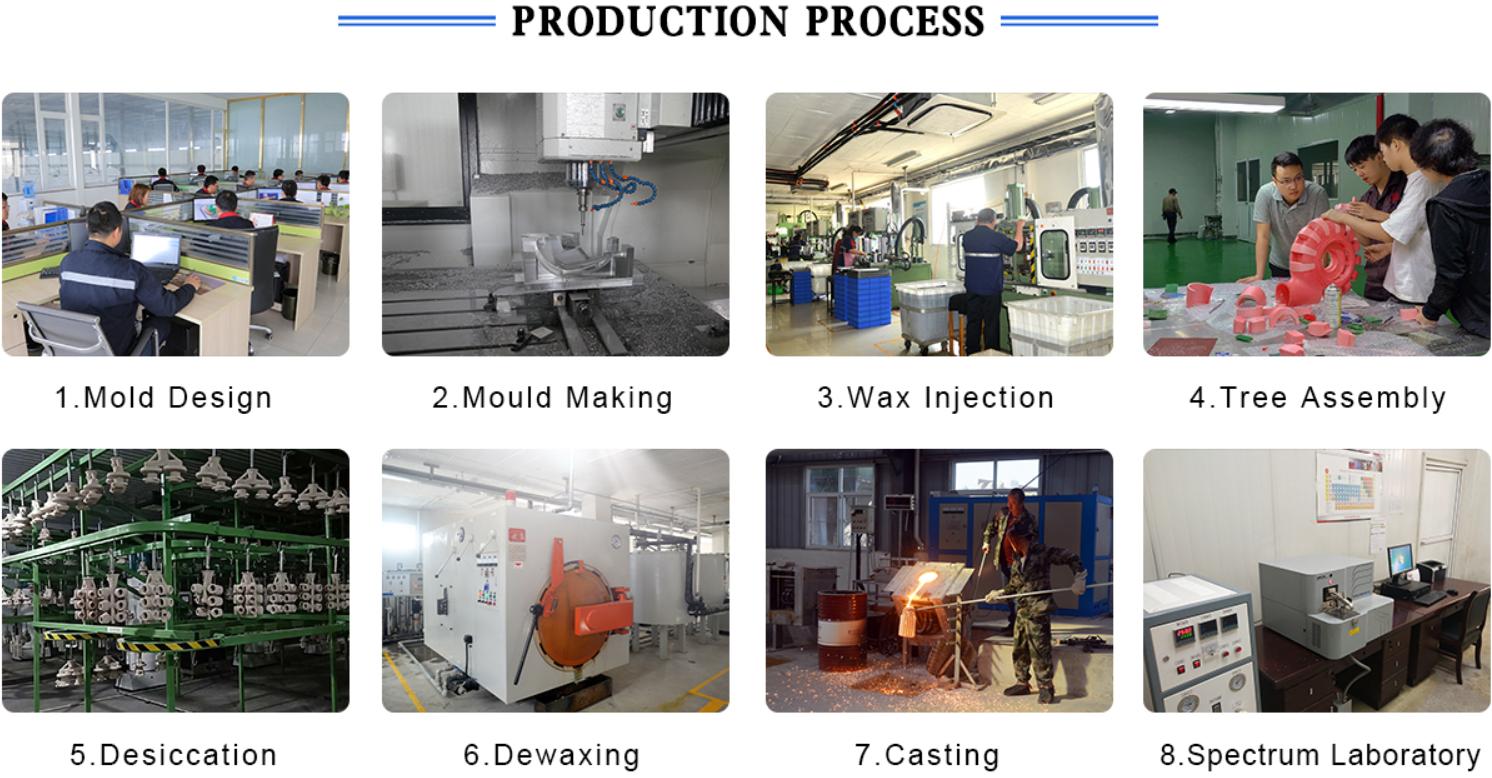
A polished sales deck might show you a foundry's best castings, but the rework log shows you the ones that almost didn't leave the shop. Every entry—weld repairs, dimensional corrections, surface grinding after a rough pour—is a small admission that the first pass wasn't right. Those quiet notes add up, and they tell you more about process discipline than any capability statement.
Look for patterns instead of isolated fixes. A single rework on a complex part is normal. The same part number showing up week after week, or repeated notes about core shift, porosity, or pattern wear, points to a deeper gap between what the foundry quotes and what it actually controls. That gap rarely appears in the sales deck because it lives in the daily friction between engineering and the floor.
The rework log also reveals how the foundry handles pressure. Some shops document the problem and correct the root cause. Others just blend, fill, and machine until the part passes inspection. Neither path shows up in the final shipment, but one builds reliability into your next order while the other quietly transfers risk to you.
Anyone Can Show a Material Certificate; Few Can Show Pouring Consistency
A mill test report tells you what left the facility, not what arrived at the pour. The real question is whether every truck that showed up carried the same chemistry, the same temperature, and the same workability. Plenty of suppliers can hand over a certificate. Few can point to the record of thirty consecutive loads and show the numbers barely moved.
Consistency shows up in the small things, the driver rinsing the chute the same way each time, the batch plant adjusting water before the load leaves rather than at the curb, the finishers not having to fight a stiff mix at 2 p.m. that was loose at 8 a.m. That kind of repeatable behavior is not printed on a sheet.
When jobs get difficult, paperwork becomes the least interesting part of the story. What matters is whether the supplier's habits hold up under weather, traffic, and schedule changes. Anyone can frame a certificate. It takes a much harder discipline to make the tenth pour act like the first one.
Straightening, Machining, and Inspection Make the Quote Honest
Straightening is rarely a predictable line item, and that is exactly why it shapes an honest quote. Some bars arrive with residual stress locked in from the mill; a few passes under the press can take minutes or stretch out while the material keeps fighting the operator. A quote that treats straightening as a fixed routine misses the reality that time, scrap risk, and final tolerance all move with each heat and section size.
Machining adds another layer that separates a vague estimate from a workable price. Deep bores, interrupted cuts, thin walls, and long reaches change how many setups and inserts the job actually burns through. When the quote reflects the real sequence of roughing, stress relief, finishing, and deburring, it accounts for the places where costs quietly accumulate instead of assuming the part simply comes off the machine to print.
Inspection is the part that keeps the other two honest. If a shop checks a few dimensions with calipers, the price can look low; if it verifies runout, cylindricity, and thread position on a CMM, the cost has to be different. A trustworthy quote names what will be measured, how many pieces get sampled, and what happens when something falls near the edge of tolerance rather than leaving those decisions to be discovered after invoicing.
Pilot Orders Are About Watching How Problems Get Handled
A pilot order rarely goes exactly as planned, and that is the point. The buyer is not only checking whether the product matches the sample. They are also watching how quickly and clearly the supplier reacts when a deadline slips, a spec gets misread, or a finish comes out slightly off. A supplier who spots the issue early, explains what happened, and proposes a concrete fix often leaves a stronger impression than one who simply ships on time and says nothing.
The real test starts after a problem surfaces. Does the supplier take ownership, send updated photos and a revised timeline, or does the buyer have to chase every detail? Small recoveries during a pilot, like reworking a batch over the weekend or covering the freight for a replacement, reveal how that supplier will behave when order volume multiplies. Mistakes are less important than the response.
For many buyers, this stage is less about punishing errors and more about building a shortlist of suppliers who can think under pressure. A flawless pilot is pleasant, but a messy one handled well can provide far more useful information about how a long-term partnership will actually function.
Change Requests Reveal Whether a Casting Partner Is Built for Production
Change requests have a way of cutting through polite sales talk. A casting supplier that is genuinely prepared for production will respond with a defined engineering review, ask for the latest drawing revision and material specification, and quantify the impact on tool life, cycle time, machining stock, and cost. A partner who simply says the change is no problem without digging into those details is often guessing, and that guesswork becomes expensive once volumes climb.
Production-built casting partners also use change requests to challenge manufacturability early. They may flag how a new wall thickness alters solidification and shrinkage behavior, or how a shifted datum affects downstream machining fixtures. Instead of accepting an unbuildable revision to keep the project moving, they offer alternatives such as adjusted draft, relocated gates, or a slightly modified parting line. That willingness to push back is a practical sign of process ownership, not just order taking.
Finally, the way a supplier closes out a change request reveals whether their quality system can survive serial production. A capable partner updates the control plan, inspection report, and work instructions, and removes the previous revision from active use before parts are shipped. When those records lag or old versions reappear on the shop floor, the operation is still in prototype mode regardless of what the quotation says.
FAQ
Have them walk you through the tolerance stack on a similar part and explain where wax, shell, and cooling distortion force them to adjust dimensions. The strongest suppliers will point out features they would change to hold critical datums more repeatably before you even ask.
Look for in-house heat treatment, non-destructive testing, CMM inspection, and spectrometer-based alloy verification. When these stay under one roof, accountability is cleaner and lead times are less exposed to subcontractor delays.
Ask for measured profiles on actual cast surfaces, not polished sample tabs, and request the exact areas where readings were taken. Finish varies with alloy, grain structure, and post-processing, so data from a similar material on comparable geometry carries far more weight.
It can shorten development significantly. Vendors who use simulation before tooling can spot feeding problems, shrink risk, and hot spots early. Ask whether they can share a fill or solidification study before the first cast so you see how they think through a part rather than just trial it.
Present a realistic scenario, such as subsurface porosity found after machining, and ask how they would trace, quarantine, and close the issue. A focused, concrete response reveals whether their corrective action process is lived or just documented.
Ask how they lock the process variables between development and serial production, including tooling, alloys, shell materials, and operators. The answer should cover control plans and revalidation triggers rather than simply stating they have plenty of capacity.
Be cautious around unexplained low pricing, high turnover in key technical roles, vague alloy traceability, reluctance to share rejection data, or resistance to an on-site process review. Any one of these may not be fatal, but together they usually point to weak process control.
Pick a part with thin walls, internal passages, or tight interfaces, define clear measurement methods up front, and ask for full dimensional and material reports. A small lot that challenges the process tells you much more than a safe sample the vendor has made many times.
Conclusion
Choosing an investment casting vendor for precision manufacturing projects rarely comes down to the cleanest quote or the boldest capability presentation. The tolerance discussion should begin at tooling design—gate placement, shrinkage allowance, wax pattern strategy—not at final inspection, because a vendor that negotiates dimensional limits after parts are cast has already given away the process control you are paying for. It is also worth requesting the rework log. Sales decks show wins; rework records show how often the foundry loses control of the same features. Likewise, treat material certificates as a starting point rather than proof. The more revealing evidence is pouring consistency, including stable melt temperatures, disciplined shell building, and lot-to-lot repeatability that does not depend on luck or a single skilled operator.
A genuinely honest quote puts straightening, machining, and inspection hours on the table instead of burying them in a vague overhead line. Those downstream steps are where casting variation gets absorbed, and their absence usually means the vendor is pricing an ideal part, not a real one. Pilot orders are less about dimensional results and more about behavior under pressure—whether a problem triggers early communication and root-cause thinking or defensive excuses. In the same way, how a foundry responds to change requests reveals its production maturity. A supplier built for volume will evaluate the impact on tooling, process flow, and gating before saying yes, while a weaker one simply agrees or resists. These behavioral signals tend to reveal more than any polished audit score.
Contact Us
Contact Person: Paul
Email: [email protected]
Tel/WhatsApp: 8615067447509
Website: https://www.spironcasting.com