

Metering Valve Factory: Essential Tips for Choosing a Reliable Manufacturing Partner
2026-08-19
Choosing a metering valve factory goes way beyond price per unit. A supplier that looks solid on paper can still derail your production with inconsistent tolerances, late deliveries, or zero support when a batch fails. Over the years, we've seen too many teams chase the cheapest bid and end up paying double in rework and delays. That's why we put together these practical tips — drawn from real sourcing experience — to help you evaluate potential partners before you sign anything. From flow calibration to material traceability, each factor matters more than you'd think. And if you're looking for a proven starting point, AVM has built its reputation on exactly these principles, supplying precision metering valves that hold up in demanding applications.
Look Past the Brochure and Ask These Plant Floor Questions
Brochures always show the cleanest corner of the line, never the area where a sensor keeps tripping for no reason. Walk the floor at shift change and pay attention to what operators touch, skip, or work around. If nobody can explain why a step exists, that's your real answer.
Ask how often the line runs without a workaround. Not 'uptime' from a dashboard, but how many times in the last two weeks someone had to bypass a guard, hand-feed a part, or override a fault to keep orders moving. Every workaround is an unwritten cost that won't appear in the vendor's summary.
Finally, stand near the bottleneck for fifteen minutes and count interruptions yourself. Count material waits, quality rechecks, and tool changes. The number you get won't match the cycle time sheet, and that gap tells you more than any polished layout diagram.
What a Factory's Rework Rate Reveals About Your Deliveries
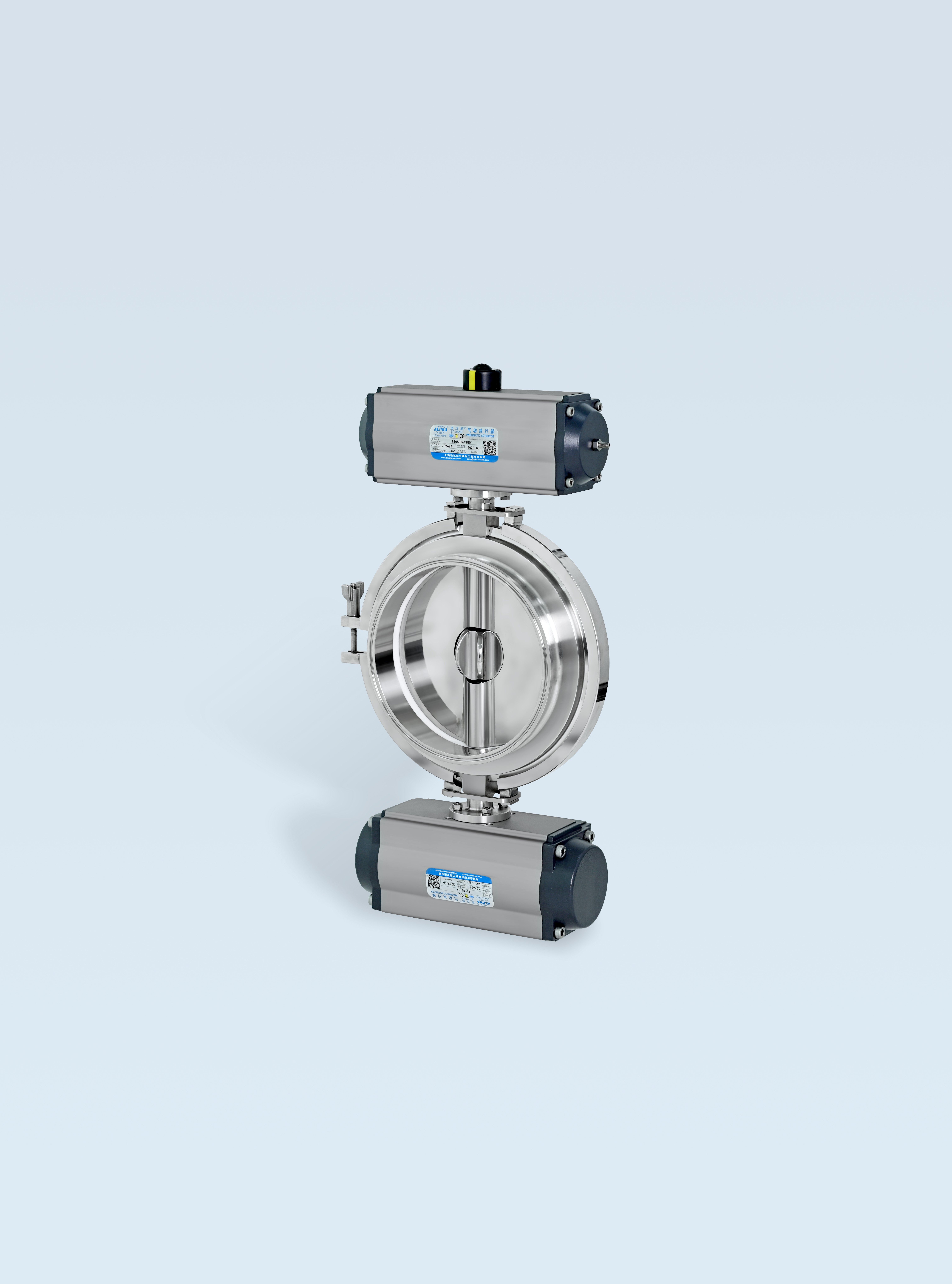
A high rework rate is rarely just a production issue—it’s a delivery issue wearing a different hat. When components fail internal checks and get routed back for corrections, the original shipping timeline quietly slips. Each rework loop consumes hours that were supposed to belong to final assembly, packing, or freight booking. The result is a cascade: missed carrier cutoffs, partial loads, or rushed quality checks at the dock, all of which end up as late or inconsistent deliveries to your customers.
Tracking rework rates across product lines exposes which SKUs are most likely to destabilize your outbound schedule. A spike often points to a supplier change, a rushed line setup, or a design tweak that wasn't fully validated. Instead of treating rework as an internal cost metric, smart logistics teams read it as a leading indicator of delivery risk—because every unit that gets remade is a unit that won't leave on time. Lowering rework isn't just about saving labor; it's about protecting the promise date you gave your buyer.
Why Process Control Beats a Perfect Sample Every Time
Chasing a flawless sample is like polishing a single frame in a film while ignoring the projector’s flicker. A perfect sample can only tell you what happened in that isolated moment — under those exact conditions, with that specific batch of raw materials, and that particular operator’s touch. It offers no insight into the drift that occurs between samples, the subtle shifts in temperature, humidity, or tool wear that quietly push your output away from the target. Process control, by contrast, watches the entire reel. It tracks variation in real time, flags trends before they become defects, and adjusts inputs to keep every unit closer to the ideal — not just the one lucky enough to be measured.
The allure of the perfect sample is understandable. It feels concrete, testable, almost heroic — a single data point that proves you can hit the mark. But manufacturing and service delivery rarely reward heroics; they reward consistency. A process that averages slightly off-target but stays within tight limits will outperform a process that occasionally nails the spec but otherwise wanders. Think of it as the difference between a sniper who hits a bullseye once in ten shots and a machine gunner whose spread is tight, even if the group center is half an inch low. You can adjust the machine gunner’s aim once. The sniper’s misses are unpredictable and costly.
None of this means samples are useless — they’re snapshots that feed the control system. But they become valuable only when integrated into a feedback loop that monitors variance, not just the mean. A single perfect sample without process control is a trophy. A controlled process with routine sampling is a strategy. The former might look good in a presentation; the latter keeps your scrap rate down, your rework time short, and your customers trusting the next delivery as much as the last one.
Choose a Partner Who Owns Problems, Not Just Machines
A machine is only as useful as the problems it solves. Too many vendors hand you a spec sheet and walk away, leaving you to figure out how their equipment fits into your workflow. A partner who owns problems starts by asking what’s slowing you down, what’s breaking, what’s costing you sleep. They don’t sell you a drill; they make sure you end up with a hole in the right place.
Think about the last time a piece of equipment failed. A machine-only supplier gave you a ticket number and a promise to call back. A problem-owning partner dispatched a technician the same afternoon, but they also looked at your operator training, your maintenance logs, and the way the machine was being loaded. Often the real fix isn’t replacing a bearing—it’s changing a habit. That’s the difference: they own the outcome, not just the hardware.
When you choose a partner like that, you stop paying for downtime and start buying reliability. They’ll tell you when a cheaper machine will do the job, and they’ll push back when you’re about to over-spec your own needs. It’s not about selling more iron; it’s about making your operation run smoother. That kind of relationship doesn’t come from a catalog—it comes from someone willing to stand behind the mess and say, "We’ll sort this out."
The Hidden Costs Behind That Low Metering Valve Quote
That low metering valve quote might look like a steal, but check what’s missing before you celebrate. Often the price excludes the cost of factory calibration, material certificates, and even the mounting bracket. Some suppliers strip out these 'extras' to hit a number that grabs your attention.
The real expenses start after installation. A cheaper valve may use a softer seat or a thinner stem, which wears faster and throws off your flow accuracy within months. Every unplanned shutdown for replacement eats into production time, and if the vendor has no local support, you're stuck troubleshooting over email while the line sits idle.
Next time you compare quotes, look beyond the unit price. Factor in expected service life, spare parts availability, and response time when something fails. That low upfront number can quietly turn into the most expensive option on the floor.
What a Factory Tour Shows You That No Spec Sheet Can
Walk into a working factory and the first thing that hits you is the rhythm. Not the numbers on a data sheet, but the actual pulse of machines, the way operators move between stations, the smell of cutting oil or fresh solder. A spec sheet can tell you tolerance levels and output per hour, but it can't convey the feel of a floor where quality is caught as much as it is measured. You see the slight pause a veteran worker takes before approving a batch—a hesitation you'd never find in a PDF.
Then there are the surprises that live between the lines. The improvised jig someone bolted to a bench three years ago, still doing its job better than the official fixture. The way afternoon light falls across a QC station, revealing surface flaws that a spec sheet's "Ra 0.8" would never flag. These details don't make it into brochures because they're too messy, too human, too tied to a specific Tuesday in a specific building. But they're exactly what determines whether a supplier ships you a headache or a decade of quiet reliability.
Finally, a tour shows you what's missing. Empty rework bins, a tool board with every shadow outline filled, the calm expression of a line lead who isn't firefighting. Absence is impossible to write down: no spec sheet has a field for "things that didn't go wrong today." Yet that absence is the real product of a well-run factory—a kind of confidence you can only absorb by standing there, watching the line run, and realizing that the most important specifications were never written at all.
FAQ
Pay attention to how the shop floor is organized. You want to see dedicated areas for precision machining, assembly, and testing—especially calibration rigs that are clearly maintained. Ask whether they handle critical components in-house or rely heavily on subcontractors, because tighter control usually comes from fewer handoffs.
Request sample valves and ask for a full dimensional report rather than just a certificate. A factory that willingly shares CMM data or roundness measurements for each batch shows transparency. Also ask about the tolerances they reject internally; their scrap rate for critical features tells you more than a brochure.
ISO 9001 is the baseline, but for fluid control components you should look for industry-specific approvals like API, ATEX, or PED if relevant. More important than the certificate is how often they audit their own processes. Ask to see a recent internal audit summary and how they closed out nonconformities.
Bring a real process challenge to the conversation—something like a low-viscosity solvent or a high-pressure gas blend. A capable engineering team will ask about seat materials, seal compatibility, and flow coefficients rather than offering a generic part number. If they can discuss design trade-offs upfront, that is a good sign.
Insist on functional testing under conditions that mirror your actual operating environment, not just a water test at room temperature. A reliable partner will offer to test with your fluid or a close substitute and send you video data. This step exposes issues like cavitation, leakage, or actuator lag before they reach your line.
Look at how they manage raw material inventory and whether they have alternate sources for valve bodies and seals. Ask about their on-time delivery record for the past two years, and request a reference from a customer with similar volume. Factories that track supplier lead times actively tend to avoid last-minute shortages.
At minimum, they should offer troubleshooting by phone or video within one business day and keep replacement parts available for a defined period, ideally ten years or more. Ask if they provide field service or rebuild kits, and whether they maintain traceability records so a failed valve can be traced back to a specific material lot.
Conclusion
A glossy brochure never tells you how a metering valve factory behaves when a batch drifts out of tolerance. Before signing anything, ask the people on the floor what happens at 2 a.m. when a machine alarms. Their answers about rework rates, fixture changeovers, and daily SPC charts will shape your delivery schedule far more than any polished sales deck. A factory that tracks and shares rework percentages openly is one that understands your line cannot absorb a 3% scrap spike without missing your own customer deadlines. Equally telling is whether they lean on a perfect golden sample or on live process control. The former proves they can make one good valve; the latter proves they can make ten thousand identical ones while holding flow coefficient and seal leakage within your spec.
Beyond the technical, watch how the factory handles problems. Do they own a late material shipment, a burr on a needle seat, or a calibration drift before you notice it? A partner who escalates internally and communicates early will save you more than any discount. That low quote you are tempted by often hides charges for secondary deburring, extra inspection, or expedited freight that reappear after the PO is issued. A real tour reveals what no spec sheet can: whether gages are current, whether assembly torque tools are audited, whether rejected parts are quarantined or quietly reworked. You are not buying a metering valve; you are buying a repeatable outcome. Choose the factory whose floor you would recognize on a surprise visit, not just on a scheduled tour.
Contact Us
Contact Person: Ananda
Email: [email protected]
Tel/WhatsApp: 8619016718200
Website: https://www.wzaomi.com