

Polymer Soil Stabilizer: The Key to Durable and Eco-Friendly Ground Reinforcement
2026-07-07
Imagine roads that endure for decades without cracking and landscapes that stay intact through heavy rains—all while treading lighter on the planet. That’s the promise of polymer soil stabilization, a game-changing method where synthetic binders lock soil particles into a solid, resilient matrix. At the forefront of this innovation is MST, whose advanced polymers are redefining ground reinforcement with unmatched durability and a truly eco-conscious footprint. Curious how this chemistry works and why it’s winning over engineers globally? Let’s dig into the mechanics that make it possible.
Why Soil Stabilization Matters More Than Ever
In an era marked by extreme weather events and rapid urban expansion, the ground beneath our feet is under unprecedented stress. Roads, foundations, and infrastructure are crumbling faster than ever, not just from age, but because the soil holding them is failing. When the earth swells with moisture or shrinks in drought, it creates cracks and instability that no amount of surface repair can fix. Soil stabilization isn't a luxury anymore—it's a fundamental necessity for building things that last, especially as we push into areas with less-than-ideal ground conditions.
Beyond structural integrity, there's a quiet environmental urgency reshaping the conversation. Hauling away poor soil and trucking in virgin aggregates comes with a heavy carbon footprint, not to mention the strain on landfills and natural resources. Modern stabilization techniques allow us to transform the soil already on-site into durable, load-bearing layers, slashing waste and emissions. This approach turns a potential liability—weak, expansive, or contaminated earth—into a high-performance asset, aligning construction with the principles of circular economy and responsible stewardship that communities and regulators increasingly demand.
Cost pressures and supply chain disruptions have also pushed soil stabilization from a niche practice to a mainstream strategy. With quarries depleting and material prices spiking, the math of treating in-place soil versus importing aggregate has shifted dramatically. Project budgets are stretched thin, and delays are measured in dollars lost. By stabilizing the ground early, you not only speed up construction but eliminate the long-term maintenance nightmares that drain municipal coffers. The choice is stark: invest in the soil now, or pay exponentially more later when the pavement cracks and the foundations shift.
How Polymers Transform Weak Soil into Solid Ground
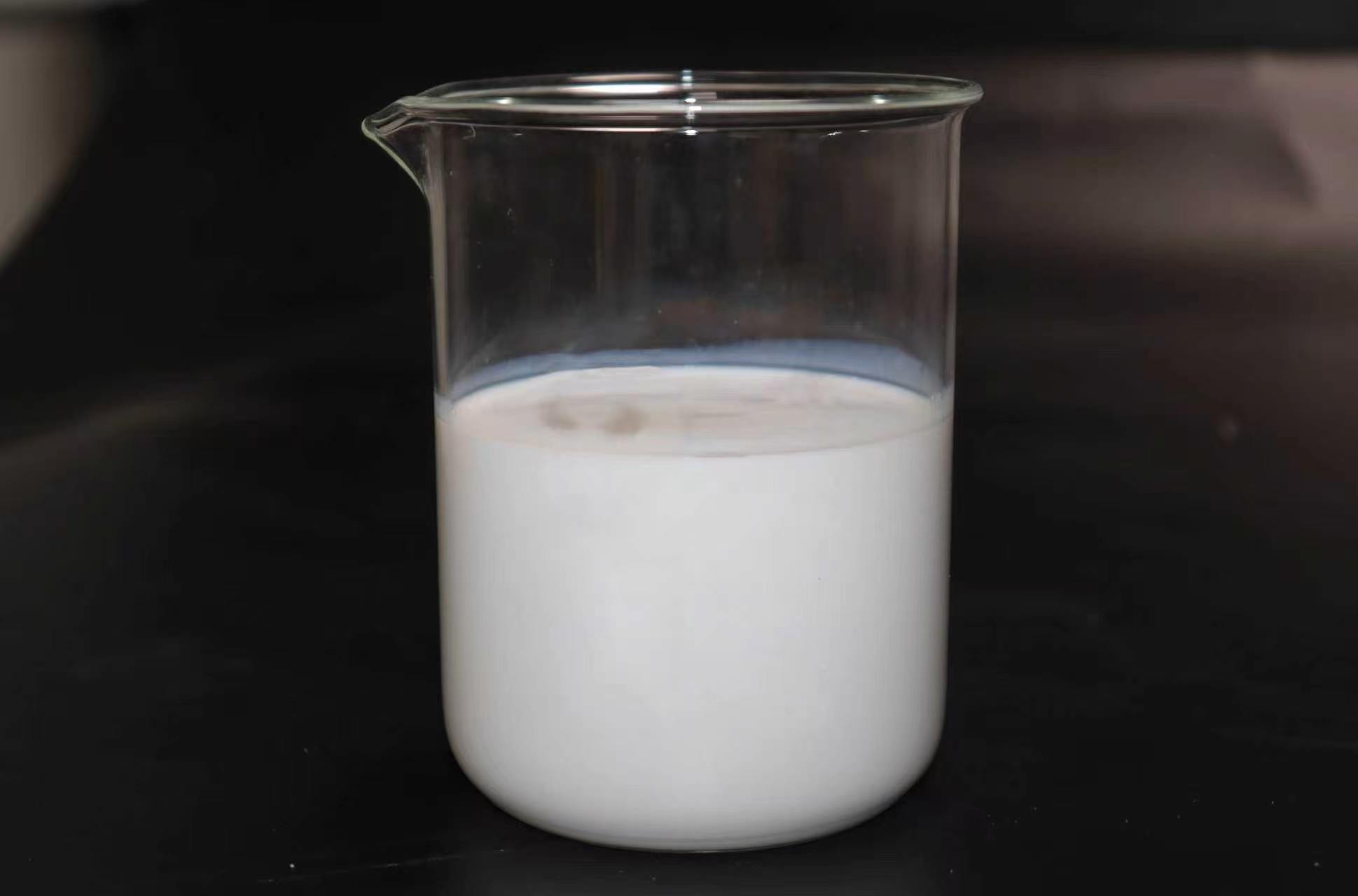
Weak soils like loose sand or expansive clay pose major challenges in construction, often leading to settlement, erosion, or instability. Traditional solutions such as deep foundations or soil replacement can be costly and time-consuming. Polymer-based stabilization offers a smarter alternative—by mixing specially formulated polymers into the ground, the soil’s physical and chemical properties are permanently altered, turning it from a problem into a reliable foundation.
These polymers work at a molecular level, forming long chains that bind soil particles together. As the polymer cures, it creates a flexible yet strong matrix that locks grains in place, improves load-bearing capacity, and greatly reduces permeability. This process not only prevents water infiltration and swelling but also enhances resistance to weathering and mechanical stress. Unlike cement or lime treatments, polymer stabilization often requires minimal excavation and can be tailored to specific soil types, making it both versatile and efficient.
Field applications have demonstrated impressive results, from highway embankments that withstand heavy traffic to building sites on soft marine clay that would otherwise be unusable. The use of polymers also aligns with sustainable construction practices by reusing on-site soil and reducing the need for trucking in imported aggregates. As research continues, new polymer formulations are pushing the boundaries further, offering environmentally friendly options that degrade safely when necessary or provide long-term durability in the harshest conditions.
Unpacking the Eco-Advantages of Modern Soil Binders
Modern soil binders are quietly reshaping how we think about land stabilization, offering more than just structural integrity. These formulations, often derived from renewable resources like plant-based polymers, actively reduce erosion while allowing the earth to breathe. Unlike older, synthetic alternatives that can leach harmful chemicals, today’s binders break down naturally over time, leaving behind healthier soil microbiology. This shift means that construction sites, agricultural fields, and even hiking trails can maintain their load-bearing capacity without sacrificing long-term ecological balance.
Another overlooked benefit lies in water conservation. By binding soil particles together, these agents enhance moisture retention, creating a microenvironment where plants can establish roots with less irrigation. In arid regions, this can translate to a significant reduction in water usage for landscaping or reclamation projects. Moreover, the reduced runoff means fewer nutrients are washed away, keeping local waterways cleaner. It’s a subtle but powerful ripple effect that turns soil into a sponge rather than a sieve.
Dust suppression might seem like a minor convenience, but its environmental impact is substantial. Airborne soil particles contribute to respiratory issues and can carry pollutants across vast distances. Modern binders lock down fines without relying on frequent water applications or petroleum-based tackifiers. This low-maintenance approach not only cuts down on vehicle emissions from repeated treatments but also preserves the topsoil layer, which is rich in organic matter. The result is a lasting solution that aligns with circular economy principles, turning temporary fixes into enduring ecological assets.
Real-World Applications: From Roads to Residential Sites
The hum of heavy machinery is just the beginning. On any given day, fleets of dump trucks haul fresh asphalt for aging highways, while concrete mixers queue up at subdivision projects where tomorrow’s foundations are being poured. It’s a rhythm that keeps civil infrastructure from crumbling into gridlock. Road crews rely on purpose-built pavers and rollers that can lay down a seamless ribbon of blacktop, even during overnight lane closures that make city traffic tolerable the next morning.
Shift the scene to a residential development carved from a hillside, and the equipment lineup changes dramatically. Mini excavators and skid steers tiptoe around utility staking, carefully digging footers inches from property lines without disturbing the neighbor’s rose beds. Here, it’s not just about raw power—precision attachments like tilt rotators and quick-hitch buckets let operators shape retention ponds and grade slopes with an almost surgical delicacy, preventing drainage headaches before the first family moves in.
Where these two worlds intersect, you’ll often find asphalt pavers chewing up cold planings from a highway resurfacing job, only to see those recycled millings arrive at a new subdivision as durable base course for private drives. The same telehandlers that lift roof trusses onto framed walls in the morning might spend the afternoon loading trench shields into a commercial sewer repair site downtown. That constant cross-pollination of machinery—and the crews’ ability to adapt—is what stitches together the places we drive, work, and call home.
A Quick Look at Application Methods and Best Practices
When you’re figuring out how to apply something—whether it’s a technique, a tool, or a process—it helps to remember that context is everything. Start by identifying the core goal, then work backward to choose a method that fits naturally. There’s rarely a universal solution, so don’t get too hung up on finding the “perfect” way. Instead, focus on grasping the underlying principles, which makes it easier to adapt on the fly.
What separates a smooth application from a clumsy one often comes down to small, intentional habits. For example, always test in a low-risk environment first—think of it as a quick sanity check before you go all in. Pay attention to how feedback loops work within your chosen approach, and don’t hesitate to adjust parameters based on what you observe. Simple documentation, even just a few notes, can save a lot of headache later.
Finally, keep an eye on long-term sustainability. The best practices aren’t the ones that work brilliantly once; they’re the ones you can repeat without burning out or causing hidden issues down the line. Involve others early when you can—different perspectives often catch gaps you’d miss alone. And remember that every domain has its own quirks, so seek out examples from people who’ve already walked the path you’re on.
What Sets Advanced Polymer Stabilizers Apart from Traditional Options
Traditional polymer stabilizers often rely on a single mechanism to delay degradation, such as radical scavenging or UV absorption. In contrast, advanced stabilizers employ a synergistic blend of multiple protective strategies. This multi-pronged approach not only interrupts oxidation chains more effectively but also neutralizes metal ion contaminants and quenches excited states before they can trigger damage. The result is a stabilizer package that operates across a wider range of stressors, from high-temperature processing to prolonged outdoor exposure.
Another key differentiator lies in the molecular architecture. Advanced formulations use larger, more complex molecules with functional groups precisely positioned for optimal reactivity. This reduces volatility and migration, ensuring the stabilizer stays where it’s needed—embedded in the polymer matrix—rather than leaching out over time. Such design also improves compatibility with modern polymerization processes, allowing for uniform distribution without compromising the material’s clarity or mechanical properties.
Finally, advanced stabilizers are engineered for sustainability. They enable thinner, lighter parts that maintain durability, reducing raw material usage. Some are derived from bio-based feedstocks or designed for recyclability, addressing circular economy goals without sacrificing performance. This holistic balance of protection, longevity, and environmental responsibility sets them far apart from conventional single-function additives.
FAQ
A polymer soil stabilizer is a chemical additive, often liquid or powder, that binds soil particles together. Once mixed into the ground, it triggers a reaction that forms a dense, cohesive matrix. Unlike cement, it doesn't just coat particles—it actually fuses them, creating a water-resistant and flexible layer that strengthens the soil from within.
Traditional binders like cement and lime increase stiffness but make the soil brittle and prone to cracking. Polymers offer more flexibility, which means they can handle ground movement without failing. They also cure faster and often require less material per square foot. Plus, the application is cleaner—no dust clouds or harsh mixing procedures.
Yes, and it basically comes down to chemistry and resource use. Many polymer products are non-toxic and don’t leach into groundwater. Since they often require less material and energy to produce than cement—which has a huge carbon footprint—they reduce the overall environmental impact. Some are even derived from renewable sources.
You’ll find them used on haul roads, parking lots, sports fields, and slope erosion control. They’re great for any surface that takes a beating from weather and traffic. Because they control dust and improve load-bearing capacity, they’re especially popular in mining, construction, and landscaping. Even residential driveways are starting to use them.
When properly installed, polymer-treated soil can stay stable for 5 to 10 years or longer. The exact lifespan depends on factors like traffic load, climate, and drainage. Unlike some temporary fixes that wash out after a few storms, a good polymer treatment forms a permanent bond that resists erosion and only slowly degrades under sunlight if UV-stabilized versions aren't used.
Absolutely. Most formulas are designed to work in a variety of moisture conditions. Some are activated by water to initiate bonding, so damp soil is actually beneficial. In dry regions, they can help retain what little moisture is present and prevent dust. The key is proper mixing—if the soil is completely saturated, you might need to let it drain a bit first.
They’re not a miracle cure. Extremely sandy soils with no fines or heavily contaminated industrial soils might not react well. In those cases, you’d need to blend in some clay or use a specific polymer type. Temperature can also be an issue during application—curing may slow down in very cold weather. And upfront costs can be higher than traditional methods, though the long-term maintenance savings often offset that.
Typically, you start by grading the area and loosening the top layer of soil. The polymer is then spread—either as a liquid spray or mixed in as a powder—and then blended thoroughly using graders or rotary mixers. Next comes compaction to the desired density. The surface needs time to cure, and it’s often ready for use within a day, though full strength develops over a few days.
Conclusion
As infrastructure demands grow and environmental concerns intensify, the need for reliable soil stabilization has never been more pressing. Traditional methods often fall short—either lacking durability or contributing to ecological harm. Polymer soil stabilizers bridge this gap by chemically bonding soil particles, turning loose, erosive ground into a compact, load-bearing surface. Unlike cement or lime, these liquid additives penetrate deep, creating a flexible yet tough matrix that withstands weather fluctuations without cracking. The immediate reduction in dust and erosion is just the start; because polymers require less material and energy to produce and apply, they significantly lower the carbon footprint of construction projects. Water conservation is another hidden benefit, since stabilized soil needs far less irrigation or maintenance over time.
From unpaved rural roads and highway embankments to residential driveways and commercial lots, polymer stabilizers prove their versatility daily. They’re equally effective for slope protection, dust control at mining sites, and preparing subgrades for asphalt. Application methods are straightforward—usually sprayed or mixed into the soil with standard equipment—but success hinges on proper soil preparation and moisture control. Best practices include testing the soil’s composition, applying the correct dilution rate, and allowing adequate curing time. What truly sets advanced polymers apart is their ability to form a permanent bond that resists UV degradation and water damage, unlike temporary solutions such as chlorides or lignosulfonates. This longevity, combined with a non-toxic, environmentally friendly profile, makes them the smart choice for engineers and landowners who refuse to compromise between performance and sustainability.
Contact Us
Contact Person: Helen
Email: [email protected]
Tel/WhatsApp: 86 18630661160
Website: https://www.roadmilestone.com/