

Porcelain Insulator Top 10: Essential Guide to Quality and Performance
2026-01-05
When it comes to ensuring reliable power transmission, the quality of porcelain insulators can make all the difference. In this essential guide, we dive into the top 10 factors that define insulator performance, from material composition to environmental resilience. Whether you're an engineer, a procurement specialist, or simply curious about infrastructure essentials, understanding these elements is key to making informed decisions. At the forefront of innovation stands Lugao, a brand synonymous with durability and precision in the energy sector. Ready to explore what sets the best apart? Let's uncover the secrets behind superior porcelain insulators and how they power our world.
Understanding Porcelain Insulator Grades and Specifications
Porcelain insulators are graded based on factors like mechanical strength and dielectric properties, ensuring they meet specific application demands. These grades often correlate with voltage ratings and environmental conditions, providing a clear framework for selection in power distribution and transmission systems.
Specifications detail technical aspects such as creepage distance, which affects performance in polluted or humid areas, and puncture resistance, crucial for safety. Manufacturers typically follow standards like IEC 60383 or ANSI C29, which define testing methods for thermal shock and mechanical load, helping engineers verify reliability before installation.
While grades indicate general suitability, specifications cover finer points like shape and glaze quality, which influence durability. Proper understanding of these elements aids in optimizing insulator choice, reducing maintenance costs and enhancing grid stability over time.
Key Factors Driving Insulator Performance in Harsh Environments
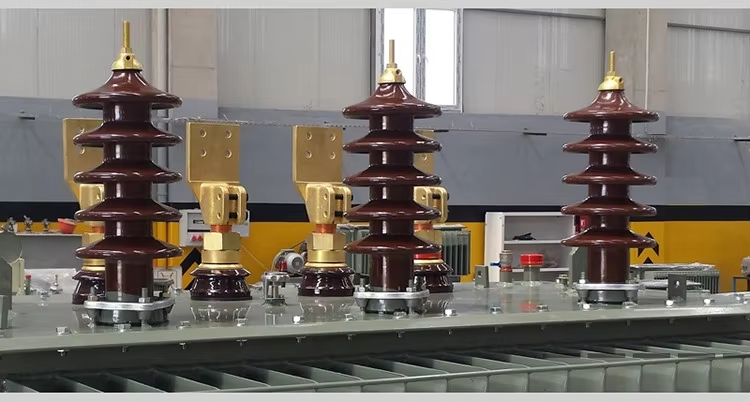
The performance of insulators in challenging conditions hinges on several key factors that dictate their durability and reliability. Material composition stands out as a primary driver; for instance, composite insulators made from silicone rubber excel in resisting tracking and erosion caused by pollution and moisture, while ceramic types may offer better mechanical strength but are prone to cracking under thermal stress.
Environmental exposure, such as temperature fluctuations, UV radiation, and chemical contaminants, significantly impacts insulator lifespan. In frigid climates, ice accretion can lead to flashovers, whereas in arid regions, sand abrasion might degrade surface properties. Selecting insulators tailored to specific environmental stresses, like hydrophobic coatings for wet areas, is crucial for maintaining insulation integrity and preventing premature failures.
Design and installation also play pivotal roles; proper creepage distance and shed profiles help manage contamination buildup, reducing the risk of electrical arcing. Regular maintenance, including cleaning and inspections, further bolsters performance by addressing wear and tear early, ensuring these components withstand harsh environments without compromising safety or efficiency.
Top Design Features of High-Quality Porcelain Insulators
When selecting porcelain insulators, it's crucial to look beyond just the material and consider the nuanced design elements that set high-quality units apart. Key features include a meticulously crafted shape that optimizes electrical performance, such as the specific contouring of sheds to enhance creepage distance and manage surface leakage currents effectively. Additionally, proper glazing and firing processes ensure a smooth, impermeable surface that resists contamination and reduces the risk of flashovers under harsh environmental conditions. These aspects combine to boost reliability in power transmission and distribution systems, making them a smart choice for long-term installations.
Another standout feature is the internal structural integrity achieved through advanced manufacturing techniques. High-quality porcelain insulators often incorporate precise dimensional tolerances and uniform material density, which minimize internal stresses and prevent cracking or failure under mechanical loads. This is complemented by robust mechanical fittings, like durable metal caps and pins, that provide secure connections without compromising the insulator's electrical properties. Together, these design elements contribute to enhanced durability and safety, ensuring consistent performance even in demanding applications like high-voltage lines or industrial settings.
Lastly, innovative design touches can make a significant difference in real-world scenarios. For instance, some top-tier porcelain insulators feature integrated anti-fog or anti-icing characteristics, such as special surface textures or coatings that shed water and ice more efficiently. This proactive approach helps maintain insulating properties during adverse weather, reducing maintenance needs and downtime. By focusing on these thoughtful details, manufacturers create insulators that not only meet standard specifications but also excel in reliability and longevity, offering a clear advantage over basic alternatives in the market.
Maintenance Tips for Extending Insulator Lifespan and Efficiency
Insulators play a crucial role in electrical systems by preventing unintended current flow and ensuring safety. To extend their lifespan and maintain efficiency, regular visual inspections are essential. Look for signs of cracking, chipping, or contamination from dirt, salt, or pollutants, as these can compromise performance. Cleaning with appropriate methods, such as dry brushing or using non-abrasive cleaners, helps prevent flashovers and electrical leakage. Avoid harsh chemicals that might damage the material, and schedule inspections more frequently in harsh environments like coastal or industrial areas.
Another key aspect is proactive maintenance based on environmental conditions. For instance, in areas prone to icing or heavy rainfall, applying hydrophobic coatings can reduce water accumulation and ice adhesion, minimizing stress and potential damage. Additionally, ensure proper installation and mechanical support to prevent physical strain from wind or thermal expansion. Regular testing of electrical properties, like insulation resistance, can detect early degradation, allowing for timely repairs before failures occur, thus avoiding costly downtime and enhancing overall system reliability.
Lastly, adopt a holistic approach by integrating insulator maintenance into broader asset management strategies. Use data from inspections and tests to predict wear patterns and plan replacements proactively. Choose high-quality materials suited to specific applications, such as polymer or porcelain insulators, each with their own maintenance needs. Training personnel on best practices and staying updated with technological advancements, like smart monitoring systems, can further optimize performance and extend operational life, ensuring consistent efficiency in power distribution and transmission networks.
Comparing Porcelain Insulators with Alternative Materials
When selecting insulators for electrical systems, porcelain has long been a standard choice due to its durability and reliable performance in various conditions. However, as technology advances, alternative materials like polymer composites and glass have emerged, offering distinct advantages that challenge traditional porcelain's dominance. This comparison delves into the key differences in mechanical strength, environmental resilience, and cost-effectiveness, helping engineers make informed decisions tailored to specific applications.
Porcelain insulators are prized for their high compressive strength and resistance to surface tracking, making them suitable for high-voltage lines exposed to harsh weather. In contrast, polymer insulators, often made from silicone rubber, are lighter and more flexible, reducing installation stress and maintenance needs. Glass insulators, another alternative, provide excellent dielectric properties and are less prone to contamination buildup, but they can be more brittle in impact-prone areas. Each material's trade-offs in weight, lifespan, and thermal stability must be weighed against performance requirements.
Beyond technical specs, environmental factors play a crucial role in material selection. Porcelain's susceptibility to cracking in freeze-thaw cycles contrasts with polymer's UV and pollution resistance, which can extend service life in coastal or industrial zones. Innovations in composite materials continue to blur these lines, with hybrid designs combining benefits from multiple sources. Ultimately, the choice hinges on balancing upfront costs, long-term reliability, and adaptability to evolving grid demands, ensuring a resilient infrastructure for modern energy networks.
Innovations and Trends Shaping the Future of Insulator Technology
The future of insulator technology is being reshaped by a wave of cutting-edge materials and smart innovations that promise to enhance durability and efficiency in power systems. Researchers are increasingly focusing on polymer-based insulators, such as silicone rubber composites, which offer superior hydrophobicity and resistance to harsh environmental conditions like UV radiation and pollution. These materials not only reduce maintenance costs by minimizing contamination buildup but also extend service life, making them a compelling alternative to traditional ceramic or glass insulators. Additionally, nanotechnology is introducing additives that improve mechanical strength and electrical properties, paving the way for lighter, more compact designs without compromising performance.
Beyond materials, the integration of digital technologies is transforming insulators into intelligent components within modern grids. Embedded sensors and IoT connectivity enable real-time monitoring of parameters like temperature, humidity, and partial discharge, allowing for predictive maintenance and early fault detection. This data-driven approach helps utilities optimize grid reliability and reduce downtime, aligning with the growing demand for resilient energy infrastructure. Trends also point toward modular and adaptive insulator systems that can be customized for specific applications, such as high-voltage transmission lines or renewable energy farms, ensuring seamless integration into diverse operational environments.
Sustainability is another key driver, with trends emphasizing eco-friendly manufacturing processes and recyclable materials. Innovations in bio-based polymers and low-carbon production methods are reducing the environmental footprint of insulator technology. Coupled with advancements in design that enhance energy efficiency, such as improved corona resistance to minimize power losses, these developments reflect a broader shift toward greener, more sustainable power networks. As the industry continues to evolve, the synergy of material science, digitalization, and environmental stewardship will likely define the next generation of insulators, setting new benchmarks for performance and responsibility.
FAQ
High-quality porcelain insulators are commonly made from materials like alumina, silica, and feldspar, which provide excellent electrical resistance, mechanical strength, and durability under harsh environmental conditions.
Porcelain insulators offer superior resistance to tracking and erosion compared to glass, and better UV and chemical resistance than some composites, making them ideal for long-term outdoor use in high-voltage applications.
Important factors include dielectric strength, mechanical load capacity, thermal shock resistance, and creepage distance, as these directly impact safety and reliability in electrical systems.
Yes, common issues include cracking due to mechanical stress, pollution flashover from surface contamination, and puncture failures if the insulator's electrical strength is exceeded.
Quality can be checked through visual inspections for defects, electrical testing for insulation resistance, and mechanical tests to ensure they meet industry standards like IEC or ANSI.
Regular cleaning to remove contaminants, periodic inspections for cracks or damage, and using protective coatings in polluted areas are effective ways to prolong insulator life.
Their proven track record of reliability, high mechanical strength, and cost-effectiveness in demanding environments often make porcelain a preferred choice for utilities and industrial settings.
Design features like shed profiles improve pollution performance by increasing creepage distance, while specialized glazes enhance hydrophobicity and reduce surface leakage currents.
Conclusion
"Porcelain Insulator Top 10: Essential Guide to Quality and Performance" serves as a comprehensive resource for professionals seeking to optimize electrical insulation systems. The guide begins by delving into porcelain insulator grades and specifications, emphasizing how precise categorization informs material selection for diverse applications. It then explores key factors driving performance in harsh environments, such as extreme temperatures, moisture, and contamination, highlighting porcelain's inherent durability. Top design features, including robust construction and surface glazing, are examined for their role in ensuring reliability. By integrating these aspects, the guide provides actionable insights for maintaining insulator lifespan and efficiency, with practical tips on inspection and cleaning routines.
Furthermore, the guide offers a balanced comparison of porcelain insulators with alternative materials like glass or composite polymers, noting porcelain's cost-effectiveness and historical proven track record. It also addresses innovations and trends shaping future insulator technology, such as advanced manufacturing techniques and smart monitoring systems. This holistic approach not only enhances understanding of current best practices but also anticipates evolving industry demands. Readers gain a nuanced perspective on selecting, deploying, and maintaining porcelain insulators to achieve superior quality and performance across various settings.
Contact Us
Contact Person: Doreen
Email: [email protected]
Tel/WhatsApp: 8618057712366
Website: https://www.liugaopower.com/