

Smart Circuit Breaker Factory Solutions: Revolutionizing Electrical Safety and Efficiency
2025-12-26
In an era where electrical systems power every aspect of our lives, from homes to industries, ensuring safety and maximizing efficiency has become paramount. Traditional circuit breakers, while foundational, often fall short in adapting to modern demands for smart, connected solutions. Enter the revolution: Smart Circuit Breaker Factory Solutions are transforming how we protect and optimize electrical networks. At SINGI, we're at the forefront of this innovation, blending cutting-edge technology with decades of expertise to create systems that not only respond to faults but predict and prevent them. This blog delves into how our factory solutions are reshaping electrical safety and efficiency, offering a glimpse into a future where power is smarter, safer, and more sustainable. Whether you're an engineer, facility manager, or simply curious about the future of electricity, join us as we explore the breakthroughs that are setting new standards in the industry.
How Smart Circuit Breakers Are Redefining Electrical Safety Standards
Gone are the days when circuit breakers simply tripped at a set threshold, leaving homeowners to guess at hidden electrical faults. Smart circuit breakers now embed sensors and connectivity, allowing real-time monitoring of current, voltage, and temperature. This instant feedback can flag subtle anomalies, such as gradual wiring degradation or overloads before they escalate into fires, shifting safety from reactive to proactive.
By integrating with home automation systems, these devices enable remote control and alerts through mobile apps. Imagine receiving a notification if an appliance draws excessive power while you're away, and being able to shut it off with a tap. This granular control reduces risks like short circuits in unattended spaces, making electrical management more precise and accessible than ever.
Furthermore, smart breakers contribute to broader energy efficiency and compliance with evolving codes. They provide detailed usage data that helps identify inefficiencies and potential hazards, encouraging safer practices. As regulations adapt to embrace IoT innovations, these breakers are setting new benchmarks, ensuring that electrical safety isn't just about preventing disasters but optimizing daily reliability.
Cutting-Edge Technology Integrated into Modern Circuit Breaker Design
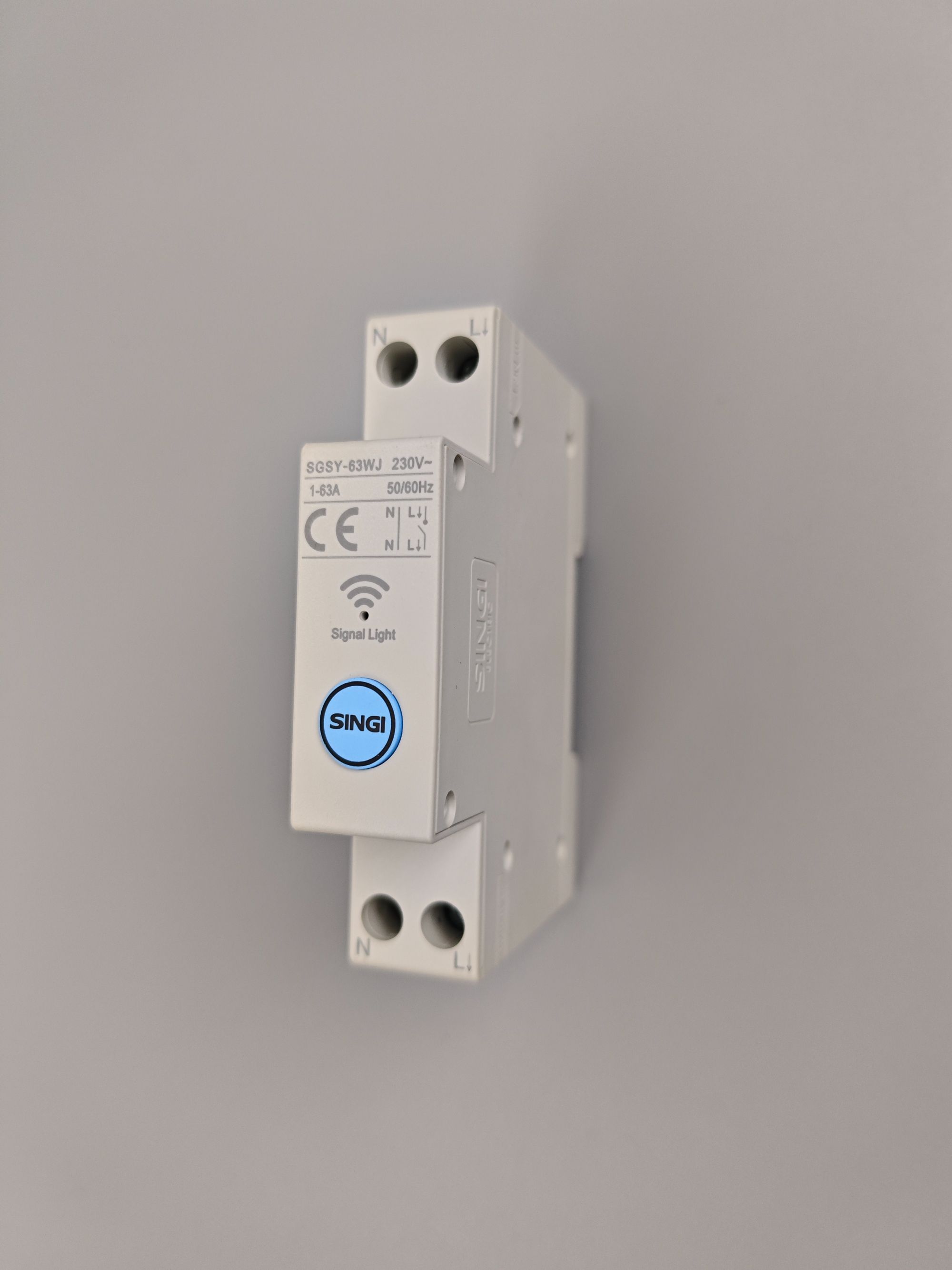
Modern circuit breakers are no longer just mechanical switches; they've evolved into sophisticated systems infused with cutting-edge technology that revolutionizes how we protect electrical circuits. By integrating advanced materials like vacuum and SF6 gas, along with microprocessors and sensors, these devices now offer precise monitoring and control, drastically reducing response times from milliseconds to microseconds. This leap forward enhances safety in industrial and residential settings by preventing overloads and short circuits more effectively than ever before.
A standout innovation in contemporary circuit breaker design is the incorporation of IoT connectivity and AI-driven analytics. These smart breakers can communicate real-time data to central systems, allowing for predictive maintenance and remote diagnostics. For instance, in smart grids, they adapt dynamically to load fluctuations, optimizing energy distribution and preventing costly downtimes—a game-changer for utilities and consumers alike, blending reliability with digital intelligence seamlessly.
Looking ahead, the integration of nanotechnology and advanced semiconductor components is pushing boundaries further. These miniaturized technologies enable more compact, efficient breakers with enhanced thermal management and durability. In high-demand applications like renewable energy systems or electric vehicle charging stations, this translates to robust performance in challenging conditions, showcasing how innovation continues to refine even the most fundamental elements of electrical infrastructure.
Streamlining Factory Operations with Automated Electrical Protection Systems
Automated electrical protection systems represent a transformative leap in factory operations, moving beyond traditional circuit breakers and fuses to incorporate real-time monitoring and intelligent control. By leveraging sensors and advanced algorithms, these systems can detect anomalies like voltage fluctuations or overloads before they escalate into costly failures. This proactive approach not only minimizes equipment damage but drastically reduces downtime, ensuring production lines hum along smoothly without unexpected interruptions that would otherwise cripple output and profitability.
What truly sets these systems apart is their ability to adapt and learn from the factory's unique electrical environment. Through collected data, they can predict potential issues and automatically adjust protection settings, tailoring responses to specific machinery or processes. For instance, a system might temporarily allow higher current for a startup surge in heavy motors while maintaining stringent protection elsewhere. This dynamic, context-sensitive operation enhances safety without sacrificing efficiency—a delicate balance that manual oversight often struggles to achieve, thereby elevating overall operational resilience.
Ultimately, streamlining factory operations with such automation translates into tangible business advantages beyond mere risk mitigation. Reduced maintenance costs, extended equipment lifespan, and lower energy waste contribute to a leaner, more sustainable operation. By freeing up personnel from routine monitoring tasks, teams can focus on strategic improvements, fostering a culture of innovation. In a competitive landscape, this isn't just about protecting assets; it's about empowering factories to operate smarter and more reliably, driving long-term growth and operational excellence.
Energy Efficiency Gains Achieved Through Intelligent Circuit Monitoring
In today's world, where every watt counts, intelligent circuit monitoring is revolutionizing how we manage energy in buildings and industrial setups. Instead of relying on guesswork or periodic checks, this technology provides real-time insights into electrical usage patterns, pinpointing exactly where power is being wasted. For instance, sensors installed on circuits can detect subtle inefficiencies, such as equipment running during idle hours or circuits drawing more current than necessary, allowing facility managers to take immediate corrective action and trim energy bills significantly.
What sets intelligent circuit monitoring apart from traditional methods is its ability to learn and adapt over time, optimizing energy consumption without constant human intervention. By integrating with other smart systems, it can automatically adjust lighting, HVAC, or machinery based on occupancy or production schedules, leading to more sustainable operations. This proactive approach not only boosts efficiency but also extends the lifespan of electrical components, reducing maintenance costs and minimizing downtime in critical environments.
Beyond immediate savings, adopting intelligent circuit monitoring can enhance overall energy resilience and support compliance with green building standards. As organizations aim to reduce their carbon footprint, this tool provides actionable data to track progress and identify opportunities for further improvements, making it a cornerstone of modern energy management strategies that benefit both the bottom line and the planet.
Real-World Applications of Smart Circuit Breakers in Industrial Settings
Smart circuit breakers are revolutionizing industrial safety and efficiency by integrating advanced sensors and IoT connectivity directly into the power management systems of factories and plants. Unlike traditional breakers that simply trip during overloads, these devices continuously monitor electrical parameters like current, voltage, and temperature, sending real-time alerts to operators via dashboards or mobile apps. This proactive approach helps prevent unexpected downtimes and equipment damage, allowing maintenance teams to address potential issues before they escalate into costly failures.
In manufacturing environments, smart breakers enable predictive maintenance, which is a game-changer for industries reliant on heavy machinery. For instance, in the automotive sector, these devices are used to safeguard assembly lines by detecting anomalies in motor loads or power surges, thereby reducing the risk of production halts. By analyzing historical data, they can forecast when components might fail, scheduling repairs during planned shutdowns instead of emergency scenarios, ultimately boosting operational uptime and cutting energy waste through optimized power distribution.
Additionally, smart circuit breakers enhance overall workplace safety in hazardous industrial settings, such as chemical plants or oil refineries. They can be integrated with emergency systems to automatically disconnect power during gas leaks or fire alarms, minimizing the risk of explosions or electrocution. Their remote control capabilities allow supervisors to manage electrical circuits from a safe distance, reducing the need for personnel to enter dangerous zones for manual inspections, thus adhering to stricter safety regulations and improving compliance in high-risk industries.
The Future of Electrical Safety: Predictions and Emerging Trends
As technology continues to evolve, electrical safety is poised for transformative shifts that will redefine how we manage risks in homes, workplaces, and public spaces. Key predictions indicate a move beyond traditional circuit breakers and grounding systems, with smart grids and IoT-enabled devices taking center stage. For instance, real-time monitoring through sensors can detect anomalies like overheating or short circuits before they escalate into hazards, allowing for proactive maintenance and reducing electrical fire incidents by an estimated 30% in the coming decade. This shift towards predictive analytics not only enhances safety but also optimizes energy efficiency, marking a significant leap from reactive to preventive approaches.
Emerging trends highlight the integration of artificial intelligence and machine learning into safety protocols, enabling systems to learn from past incidents and adapt to new threats autonomously. In industrial settings, AI-powered tools might analyze electrical loads and environmental factors to predict equipment failures, while in residential areas, smart home ecosystems could automatically shut off power during storms or when water leaks are detected, blending safety with convenience. Additionally, advancements in materials science are leading to the development of self-healing insulation and flame-retardant cables, which minimize risks in harsh conditions and reduce maintenance downtime. These innovations promise not just incremental improvements but a reimagining of safety standards for a connected world.
Looking ahead, regulatory frameworks and training programs will need to evolve alongside these technological advancements to ensure widespread adoption and compliance. Predictions suggest that by 2040, global standards may mandate the use of digital twins for electrical systems in critical infrastructure, allowing for virtual testing and risk assessment before implementation. Emerging trends also point towards greater emphasis on user education, with interactive platforms and augmented reality tools helping individuals understand safety protocols in engaging ways. Ultimately, the future of electrical safety hinges on a synergy between cutting-edge tech, robust policies, and public awareness, setting the stage for a safer, more resilient electrical landscape that adapts dynamically to our evolving needs.
FAQ
Smart circuit breaker factory solutions offer real-time monitoring, automated fault detection, and enhanced energy efficiency, leading to reduced downtime and lower operational costs.
By integrating IoT sensors and AI analytics, smart circuit breakers can predict failures and prevent hazards, ensuring a safer work environment and compliance with strict safety standards.
These factories incorporate IoT connectivity, machine learning algorithms, and advanced materials to optimize production and ensure high-quality, durable products.
Yes, they enable precise energy management by dynamically adjusting power flows, which minimizes waste and supports sustainability goals in various applications.
Manufacturing, commercial buildings, data centers, and renewable energy sectors can all see improved reliability and efficiency through these advanced electrical systems.
They allow for predictive maintenance, reducing unexpected breakdowns and extending equipment lifespan, while remote diagnostics simplify troubleshooting.
Initial costs and integration with legacy systems can be hurdles, but long-term savings and enhanced safety often justify the investment.
Conclusion
Smart circuit breaker factory solutions are fundamentally transforming electrical safety and efficiency by integrating advanced technologies that redefine industry standards. These intelligent devices incorporate cutting-edge features such as real-time monitoring and automated protection, which enhance safety protocols and prevent electrical hazards more effectively than traditional systems. By leveraging modern design elements, smart circuit breakers streamline factory operations, minimizing downtime and improving overall productivity. This revolution in electrical safety is driven by a focus on proactive risk management, where emerging trends predict even greater integration with IoT and AI for predictive maintenance.
Beyond safety, these solutions deliver significant energy efficiency gains through intelligent circuit monitoring, allowing factories to optimize power usage and reduce waste. Real-world applications in industrial settings demonstrate tangible benefits, including lower operational costs and enhanced reliability. As technology evolves, the future of electrical safety points toward more interconnected and adaptive systems that further revolutionize factory environments. This holistic approach ensures that smart circuit breakers not only meet current demands but also pave the way for sustainable and efficient industrial practices worldwide.
Contact Us
Contact Person: Jack
Email: [email protected]
Tel/WhatsApp: (+86) 13757759651
Website: https://www.singi.com