
Solar Flat Roof Mounting Systems: Concrete Solutions from China's Premier Manufacturer
2026-02-02
As the solar industry continues to evolve, finding durable and efficient mounting solutions for flat roofs is key to maximizing energy production. In this blog, we explore concrete-based systems from a leading Chinese manufacturer, showcasing how Energet Solar sets the standard with innovative, reliable designs that withstand harsh conditions. Discover what makes these solutions stand out and why they're gaining popularity worldwide. Dive in to learn how you can enhance your solar projects with cutting-edge technology tailored for modern demands.
Innovative Concrete-Based Solar Mounts for Flat Roofs
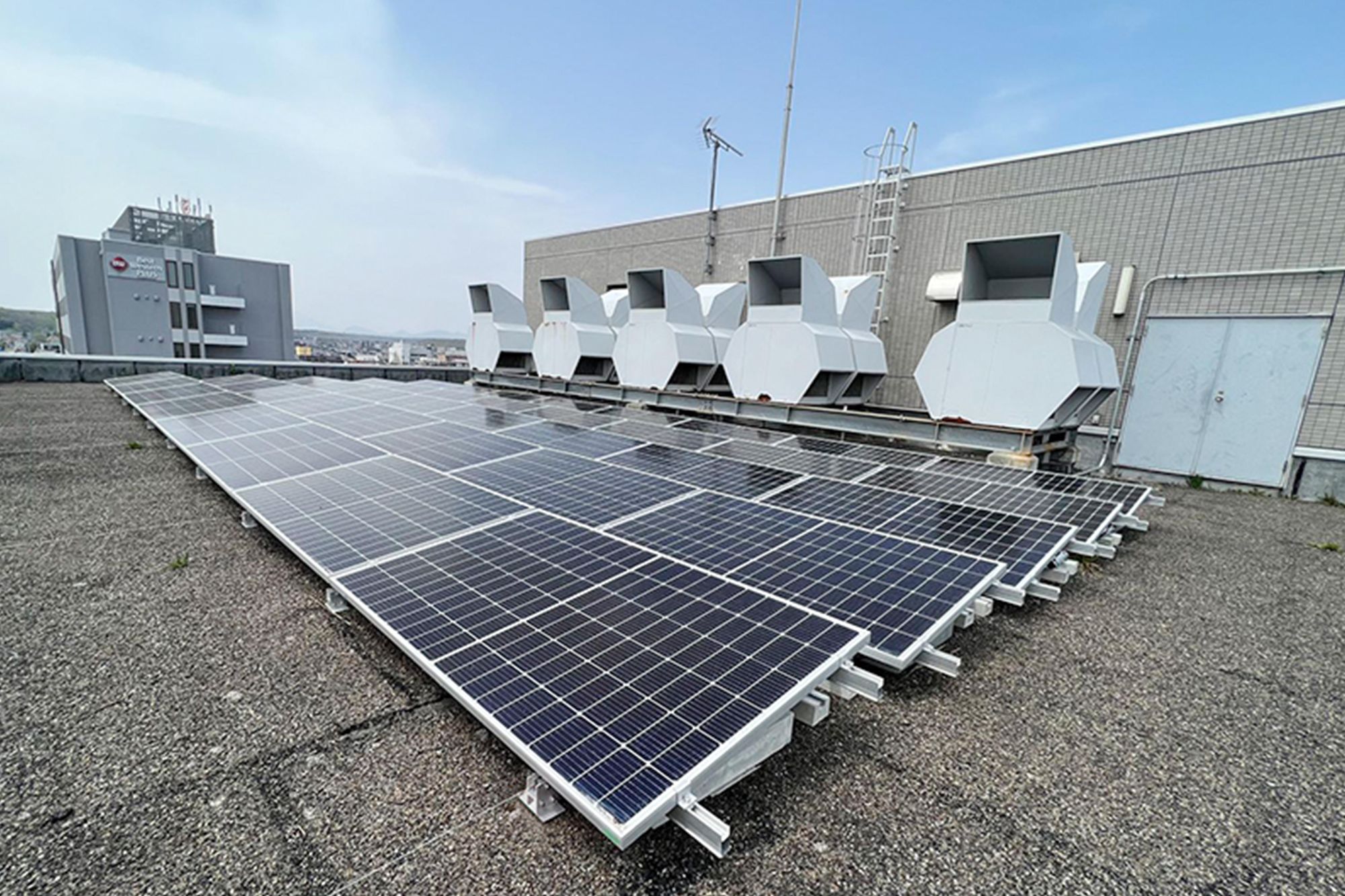
Conventional solar installations on flat roofs often come with headaches—weight concerns, complicated anchoring systems, and labor-intensive setups. Enter concrete-based mounts, a game-changer that leverages a simple yet robust material to create stable, long-lasting foundations. By using pre-cast concrete blocks or poured-in-place forms, these systems eliminate the need for penetrating the roof membrane, dramatically reducing leak risks and installation time. Imagine setting up solar panels with minimal fuss, knowing the heavy concrete base keeps everything securely in place even during harsh weather.
What sets these mounts apart is their adaptability and eco-friendly edge. Unlike metal frames that might corrode or require frequent maintenance, concrete offers inherent durability and thermal mass benefits, which can help regulate temperature around the panels and potentially boost efficiency. Manufacturers are now innovating with recycled aggregates and modular designs, allowing for easy scaling and customization to fit various roof layouts. This approach not only supports green energy but also reduces waste, making it a smart choice for forward-thinking builders and property owners.
Beyond the practical perks, concrete-based solar mounts open doors for creative architectural integration. They can be designed to blend seamlessly with rooftop landscapes, doubling as ballasts for green roofs or supporting additional features like walkways. By avoiding roof penetrations, they preserve warranty protections and simplify inspections, offering peace of mind over the system's lifespan. In a market cluttered with complex solutions, this straightforward, resilient method stands out by marrying reliability with innovation, paving the way for more accessible solar adoption in urban and commercial settings.
Durable Racking Solutions Engineered for Long-Term Performance
Our durable racking solutions are meticulously designed to withstand the demands of high-volume storage environments. Unlike standard systems that may falter under heavy loads or wear down over time, these racks are built from premium materials and reinforced with precision engineering. We prioritize structural integrity and load-bearing capacity, ensuring that each component works together to deliver consistent performance year after year. This approach minimizes maintenance needs and reduces the risk of unexpected failures, providing a reliable backbone for your operations.
What sets our racking apart is its tailored adaptability to diverse storage challenges, from industrial warehouses to specialized cold storage facilities. By incorporating innovative features such as adjustable configurations and corrosion-resistant finishes, we offer solutions that evolve with your changing needs without compromising on durability. This flexibility ensures that your investment remains robust and functional, even as your storage requirements shift or expand over the long term.
Beyond mere strength, these solutions emphasize seamless integration and user safety, enhancing overall efficiency in your storage workflows. We focus on creating systems that not only endure but also optimize space and accessibility, making them a smart choice for businesses aiming to improve their storage capacity and operational flow. This holistic approach to durability means you get a product that performs reliably while supporting your growth and productivity goals.
Customizable Designs to Fit Diverse Architectural Requirements
When tackling architectural projects, it's common to face unique challenges that demand tailored solutions rather than off-the-shelf options. Customizable designs offer the flexibility to adapt to varied spatial constraints and aesthetic preferences, ensuring that every element aligns with the project's specific needs. By integrating modular components or adjustable features, professionals can craft environments that are both functional and visually cohesive, without compromising on quality or creativity. This approach not only enhances the end result but also streamlines the design process, making it easier to address unforeseen issues as they arise.
The beauty of customization lies in its ability to accommodate diverse architectural styles, from minimalist modern builds to intricate historical restorations. Instead of forcing a one-size-fits-all model, adaptable designs allow for personal touches that reflect the client's vision and the site's inherent characteristics. Whether it's adjusting material choices, tweaking structural layouts, or incorporating sustainable elements, these bespoke solutions foster a deeper connection between the built environment and its users. This level of attention to detail often results in spaces that feel more intentional and harmonious, boosting both usability and aesthetic appeal over the long term.
In an industry where innovation is key, customizable designs provide a competitive edge by enabling rapid iteration and refinement based on real-world feedback. Architects and builders can experiment with different configurations, ensuring that the final product meets evolving standards and user expectations. This dynamic approach reduces waste, as modifications can be made on the fly without starting from scratch, ultimately saving time and resources. By embracing such versatility, teams can deliver outcomes that are not only effective today but also resilient enough to adapt to future changes, paving the way for smarter, more responsive architecture overall.
Advanced Engineering for Enhanced Wind and Snow Load Resistance
Engineers employ sophisticated computational models, such as finite element analysis, to simulate structural behavior under extreme conditions. They integrate aerodynamic principles and material science to develop buildings that can withstand high-velocity winds and heavy accumulations of snow. For example, streamlined shapes and reinforced connections minimize stress points, enhancing resilience.
Innovative materials, including high-strength steel alloys and advanced composites, are utilized to boost load-bearing capacity without adding excessive weight. These materials are often tested in specialized facilities to ensure they meet rigorous safety standards for wind uplift and snow drift forces, providing long-term durability in harsh climates.
Customized engineering strategies, like tuned mass dampers and flexible framing systems, adapt structures to dynamic environmental pressures. This approach not only prevents failures but also reduces maintenance needs, making buildings more cost-effective and sustainable over their lifecycle.
Efficient Installation Processes That Minimize Roof Penetration
When it comes to installing systems on your roof, less is often more—especially when it comes to puncturing the surface. The old-school approach of drilling multiple holes for mounting or wiring can lead to a host of long-term headaches, from leaks and structural weakening to voided warranties. That's why innovative installation methods now focus on strategic, minimal intrusion, using techniques like adhesive bonding, clamp-based systems, and integrated mounting rails that distribute weight evenly. By reducing the number of penetration points, these processes not only speed up the setup but also slash the risk of moisture damage and future repairs, making your roof more resilient over time.
Beyond just avoiding holes, some of the slickest solutions involve smart design that works with the roof's existing features. For instance, non-penetrating mounts that anchor under ballast or use weighted bases eliminate the need for drilling altogether, ideal for flat or low-slope roofs. Similarly, advanced sealants and flashings can secure components with just a few targeted penetrations, ensuring watertight seals that hold up against harsh weather. This shift toward gentler installation doesn't just protect your roof—it can also cut down on labor time and material costs, since you're dealing with fewer complex sealing steps and potential rework down the line.
What really sets these methods apart is their adaptability across different roof types and environmental conditions. Whether you're dealing with metal, shingle, or membrane surfaces, tailored approaches like magnetic attachments or modular connectors allow for quick adjustments without compromising integrity. By emphasizing efficiency and minimal disruption, these processes not only extend the lifespan of both the installation and the roof itself but also offer peace of mind, knowing that your setup is as secure as it is seamless. In the end, it's about doing more with less, ensuring every step in the process adds value without subtracting from the roof's durability.
Sustainable Practices in Manufacturing and Material Selection
In today's industrial landscape, manufacturers are increasingly shifting toward sustainable practices that go beyond mere compliance with regulations. They're integrating eco-friendly methods from the ground up, focusing on energy-efficient production lines, reducing water usage, and minimizing harmful emissions. This shift isn't just about being green for the sake of image; it's a strategic move that cuts operational costs and builds a resilient brand. For instance, companies are adopting closed-loop systems where waste is repurposed into raw materials, demonstrating how innovation can transform traditional manufacturing into a circular economy that benefits both business and the environment.
Material selection plays a crucial role in this sustainable journey, as it sets the foundation for a product's lifecycle impact. Instead of relying on conventional plastics or non-renewable resources, forward-thinking industries are exploring alternatives like bioplastics, recycled metals, and natural fibers. These materials often come with lower carbon footprints and can be sourced responsibly, ensuring that every component aligns with environmental goals. By prioritizing materials that are not only durable and high-performing but also biodegradable or recyclable, manufacturers can create products that last longer and leave a smaller ecological footprint, marking a departure from the throwaway culture that has long dominated consumer markets.
When combining these aspects, it becomes clear that sustainability in manufacturing is about more than isolated efforts; it's a holistic approach that intertwines production processes with thoughtful material choices. This synergy leads to innovations such as modular designs that allow for easy repairs and upgrades, reducing waste over time. As companies embrace these practices, they not only meet the growing demand for eco-conscious products but also set new standards for industry peers, proving that profitability and planet-friendly operations can go hand in hand.
FAQ
Concrete-based systems offer enhanced durability and wind resistance, ideal for harsh environments; they're designed with modular components for flexible installation on various roof types.
The weight requires careful structural assessment, but our systems use lightweight concrete blends to minimize load while maintaining stability, often matching traditional systems.
Yes, customization is a core strength—adjustable brackets and rails accommodate diverse panel sizes and layouts, ensuring optimal energy capture.
They reduce corrosion risks and provide better thermal mass, improving panel efficiency in fluctuating temperatures, and simplify ballasting without penetrating the roof.
Concrete is often made with recycled materials and offers long lifespan, reducing waste; it also enhances energy efficiency by stabilizing panel temperatures.
We optimize packaging for cost-effective freight and provide detailed assembly guides, with partnerships ensuring timely delivery worldwide.
Minimal maintenance—occasional inspections for debris and sealant checks suffice, as concrete resists weathering and degradation better than many alternatives.
Initial costs may be higher, but lower long-term maintenance and durability often lead to better lifecycle value, especially in corrosive or windy areas.
Conclusion
Solar flat roof mounting systems from China's premier manufacturer offer innovative concrete-based solutions that revolutionize rooftop solar installations. These systems feature durable racking engineered for long-term performance and customizable designs to fit diverse architectural requirements, ensuring flexibility across various building types. Advanced engineering enhances wind and snow load resistance, providing reliability in harsh weather conditions, while efficient installation processes minimize roof penetration to protect structural integrity. This holistic approach not only optimizes energy generation but also prioritizes safety and longevity, making these mounts a smart choice for sustainable infrastructure.
In addition to technical excellence, the manufacturer emphasizes sustainable practices in manufacturing and material selection, aligning with global environmental goals. By integrating robust concrete components with eco-friendly processes, these systems reduce the overall carbon footprint and promote resource efficiency. The seamless blend of innovation, durability, and sustainability sets these solutions apart in the competitive solar market, offering a comprehensive package that addresses both practical installation needs and long-term environmental impact. This commitment to quality and green initiatives positions China's leader as a trusted partner for flat roof solar projects worldwide.
Contact Us
Contact Person: Simon
Email: [email protected]
Tel/WhatsApp: 8613672181100
Website: https://energetsolar.com/