

Top 10 Food Grade Anti-caking Silica Powders for Better Food Texture
2026-05-16
Have you ever wondered why your favorite powdered foods stay perfectly free-flowing instead of clumping into unappetizing lumps? The secret often lies in food-grade anti-caking silica powders—tiny, invisible heroes that guard texture and quality. In this post, we’re spotlighting the top 10 silica powders that elevate food texture without compromising safety. Among them, you’ll find trusted names like Zhonglian, whose finely engineered silica has earned a solid reputation for consistent performance in seasoning blends, coffee creamers, and more. Get ready to discover how these powders keep your pantry essentials silky, sprinkle-ready, and downright delightful.
Why Your Spices Clump and How Silica Stops It
Spices tend to clump together when they absorb moisture from the air. Many ground spices contain natural sugars or starches that are hygroscopic, meaning they easily pull in humidity. Once that happens, the fine powder turns into hard, stubborn lumps that are difficult to shake out or measure. This is especially common in warm, humid kitchens or if you store your spice jars near the stove where steam regularly drifts.
Silica gel packets are a simple, reliable fix. Silica is a desiccant—it soaks up excess moisture inside sealed containers, keeping the air dry and preventing that clumping reaction from starting. Tossing a food-safe silica packet into a spice jar creates a micro-environment where humidity can’t ruin the texture. The spice stays loose, which means less pounding on the bottle and fewer wasted seasonings that get tossed because you can’t get them out.
It’s a low-cost, no-hassle method that doesn’t alter taste or aroma. Just make sure to use packets labeled as food-grade and replace them every few months as they fill with moisture. Whether it’s your cinnamon, garlic powder, or onion salt, a little silica can save you from the frustration of rock-solid spices right when you need them for dinner.
The Invisible Ingredient That Keeps Powdered Foods Flowing
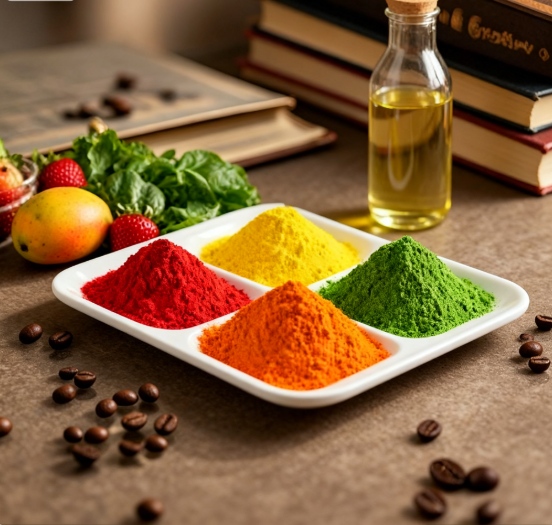
Open a fresh box of powdered sugar or a packet of instant soup, and you expect a smooth, clump-free pour. What you probably don’t notice is the silent helper making that possible: an anti-caking agent. These microscopic particles, often silica or calcium silicate, coat each grain of powder, acting like tiny spacers that prevent moisture from gluing everything together. Without them, your favorite dry mixes would turn into solid bricks long before they reached your cupboard.
The genius lies in their invisibility—both literally and figuratively. You won’t taste them or see them, yet they’re the reason your spices tumble out of the jar without a fight and why hot chocolate dissolves effortlessly. Food scientists have spent decades perfecting these ingredients so they do their job without altering texture, color, or flavor. It’s a quiet engineering feat that keeps everything from baking soda to protein powder behaving exactly as you need.
Next time you tap a canister and watch the contents flow like sand, think of the unseen architecture supporting that simple motion. It’s a subtle reminder that even the most ordinary kitchen staples carry a little bit of hidden ingenuity—designed not to impress, but to simply make everyday life a bit easier.
Beyond Anti-caking: Texture Boosts You Didn't Expect
Many people associate anti-caking agents solely with keeping powders free-flowing, but their influence on texture runs much deeper. These additives can subtly enhance mouthfeel, creating a smoother, more velvety consistency in everything from spice blends to protein shakes. The way a powder dissolves or disperses in liquid often hinges on the very agents that prevent clumping, leading to a more uniform and appealing final product.
Beyond mere flow control, some anti-caking ingredients actively contribute to a product's structural integrity during storage and use. They can reduce dusting when pouring, which not only keeps your kitchen cleaner but also ensures that the full flavor or nutritional payload reaches your plate. In powdered beverages, for instance, a well-chosen agent can mean the difference between a silky, restaurant-quality drink and a gritty, disappointing one.
Perhaps most surprisingly, these texture benefits can extend into the realm of thermal stability and shelf life. By managing moisture and particle interaction, anti-caking compounds help maintain the intended crunch of dry mixes or the softness of powdered confections long after opening. It's a quiet, often invisible role that turns a basic pantry staple into a reliable, high-performance ingredient.
Baking with Silica: A Secret to Smoother Mixes
Most home bakers focus on flour quality or mixing technique, but the secret many overlook is silica. Food-grade silicon dioxide is a microscopic, inert powder that acts like a tiny sponge for moisture. When you blend it into dry ingredients—flour, cocoa, sugar—it prevents those frustrating clumps that form from humidity. The result is a mix that sifts and combines with butter or eggs without leaving pockets of dry flour behind.
You only need about a quarter teaspoon per cup of dry mix for noticeable results. Stir it in evenly before adding wet ingredients, and you’ll see batters come together faster with less effort. Unlike starches, silica carries no flavor or gummy texture, so it won’t mute your chocolate or fruit notes. It also stops baking powder and salt from settling out, ensuring every bite of cake or cookie has consistent lift and taste.
Reading Labels: Spotting Quality Silica in Your Food
Ever glanced at a food label and noticed 'silicon dioxide' or 'silica' listed? It's more common than you think, popping up in everything from spice blends to shredded cheese. Not all silica is created equal, though—quality hinges on particle size and purity. Ideally, you want amorphous silica, not crystalline, which can be a respiratory hazard if inhaled in large amounts. Look for terms like 'food-grade' or 'E551' on European labels; these signal a refined form processed without contaminants. A quick scan of the ingredient list can tell you if a brand prioritizes safer, high-quality anti-caking agents over cheaper, dusty alternatives.
Texture often betrays silica quality before you even taste a product. Rub a pinch of powdered seasoning between your fingers—premium silica creates a smooth, free-flowing feel without grittiness. Low-grade versions clump or leave a chalky residue, hinting at uneven particle distribution. In liquids like salad dressings, well-dispersed silica vanishes seamlessly, while inferior substitutes settle into a cloudy sediment. Trust your senses: if a dry mix cakes up too fast or a shake feels abrasive on the tongue, the silica might be cutting corners. Familiarizing yourself with these tactile clues turns you into a savvy shopper.
Beyond the ingredient panel, certifications offer a shortcut to spotting quality. Products boasting organic or Non-GMO Project Verified labels often sidestep synthetic silica in favor of naturally derived alternatives like rice hulls or bamboo extracts. Even when silica is used, these seals demand stricter sourcing audits. Keep an eye out for brands transparent enough to specify the source on their packaging—a company proud of its silica's origin story tends to invest in superior processing. Over time, you'll recognize which manufacturers treat silica as more than just a stop-gap anti-caking solution, elevating the entire eating experience.
From Protein Shakes to Seasonings: Silica’s Versatile Role
Silica, or silicon dioxide, shows up in places you’d never expect. Take that protein shake you grab after a workout—the fine powder stays free-flowing because silica coats each particle, preventing clumps even in humid conditions. It doesn’t alter the taste or nutritional profile, just keeps the texture consistent every time you pop the lid.
Unlike other anti-caking agents that can leave a gritty feel, silica’s near-invisible presence makes it a favorite in seasoning blends. Those garlic powders and onion flakes in your spice rack maintain their sprinkle-ability thanks to its microscopic spheres acting like tiny ball bearings. The result? A perfect dusting of flavor without the dreaded hard block that requires a knife to break apart.
But silica’s role goes beyond mere convenience. In liquid seasonings like soy sauce or vinegar-based dressings, it helps suspend herbs and spices, ensuring the last drop is as flavorful as the first. It’s even used to clarify certain beverages, removing haze without stripping character. A true multitasker, silica works quietly behind the scenes, making everyday food experiences just a bit easier and more enjoyable.
FAQ
It’s an extremely fine powder made from silicon dioxide that’s been purified and processed to meet strict food safety standards. Manufacturers add it to dry mixes, seasonings, and powdered drinks to prevent clumping and ensure the product flows freely from the package.
The tiny particles coat each grain of the food powder, creating a physical barrier that absorbs moisture and reduces friction. This keeps everything loose and silky, so you don’t end up with hard lumps in your spice blend or instant coffee.
When used in food, silica is generally recognized as safe by major regulatory bodies. It passes through the digestive system without being absorbed, so it doesn’t accumulate in the body. However, inhaling large amounts of the raw powder during manufacturing can be a respiratory risk, which is why workers use protective equipment.
You’ll find it in a wide range of pantry staples—think grated cheese, powdered sugar, salt, cake mixes, protein shakes, and even some herbal supplements. Any dry product that tends to cake up from humidity or pressure during storage is a good candidate.
First, verify it meets food-grade certifications like FCC or EU 231-545-4. Then consider particle size and pore volume—finer particles with higher absorption capacity often work better. Also check the supplier’s reputation and whether they offer consistent batch-to-batch quality.
Several brands stand out, including Evonik’s Sipernat series, Cabot’s Cab-O-Sil, and W.R. Grace’s Syloid. These are widely used because they provide reliable anti-caking and flow-enhancing properties across different food formulations.
Smaller particles have more surface area, so they can cover the food particles more evenly and absorb more moisture per gram. But if the silica is too fine, it might become dusty and harder to handle. The best products strike a balance with a particle size distribution tailored to the specific food application.
Conclusion
Ever reached for a spice jar only to find a solidified lump where powder should be? That's moisture at work, and food-grade silica powders are the behind‑the‑scenes heroes that stop it. Their porous, microscopic structure soaks up ambient humidity like tiny sponges, keeping everything from garlic powder to protein shakes loose and free‑flowing. The best ones don't just prevent clumping—they actively improve how dry mixes behave, helping cake batters blend more evenly and powdered drinks dissolve without gritty residue. It's a quiet, invisible fix that you only notice when it's missing.
But anti‑caking is only half the story. Quality silica can actually refine texture in unexpected ways, giving foods a smoother mouthfeel and helping flavors disperse more evenly across the palate. In baking, it encourages a uniform mix that leads to a consistently tender crumb—the kind of detail home cooks often overlook. When scanning ingredient labels, look for straightforward terms like “silicon dioxide” from trusted sources; the good stuff should be virtually tasteless and undetectable in the final product. From grated cheese to soup mixes, a well‑chosen silica powder works quietly to preserve that perfect pour, scoop, or shake, turning a functional necessity into a subtle craft that elevates everyday eating.
Contact Us
Contact Person: Levin Wang
Email: [email protected]
Tel/WhatsApp: 8618668999988
Website: https://www.silicaplant.com/