

Used Bulldozers Supplier: Expert Tips for Buying Reliable Pre-Owned Dozers
2026-05-18
Buying a used bulldozer can be a smart investment—if you know where to look and what to watch for. With so many suppliers claiming to offer the best deals, the real challenge is finding a machine that delivers long-term reliability without hidden problems. That’s where expert guidance makes all the difference. Whether you’re expanding your fleet or tackling a major project, understanding key inspection points and sourcing from reputable suppliers like JILIANG CHI can save you time, money, and headaches down the road. This guide cuts through the noise, giving you practical tips to confidently choose a pre-owned dozer that works as hard as you do.
Digging Into a Dozer's Past: Why Service Records Reveal What Paint Can’t
A fresh coat of paint can make any bulldozer look like it just rolled off the factory floor, but what lies beneath that glossy exterior often tells a very different story. Without digging into the machine’s service history, you’re essentially buying a mystery—internal wear, neglected maintenance, or a string of patchwork repairs can easily be hidden behind a shiny surface. That’s why experienced buyers always start by asking for the records: they want to see the actual heartbeat of the dozer, not just the cosmetic touch-ups.
Service records open a window into how the dozer was treated over hundreds or thousands of operating hours. They show whether oil changes were done on schedule, if hydraulic systems were regularly inspected, and how often major components like the transmission or final drives needed attention. A well-documented history also helps you catch patterns—like recurring issues with the cooling system or undercarriage—that might point to heavy use in tough conditions or simply a lack of preventive care. Paint can’t tell you that the engine was run low on oil more than once, but a service log certainly can.
In the end, relying on appearances alone is a gamble that can lead to costly downtime and unexpected repair bills. The real value of a used dozer isn’t in how it looks on the lot, but in the confidence you have that it will perform when the work begins. That confidence only comes from a thorough review of its documented past—because while a new paint job can cover up rust and dents, it can’t erase a history of neglect.
The Undercarriage Audit: Wear Patterns That Predict Future Costs
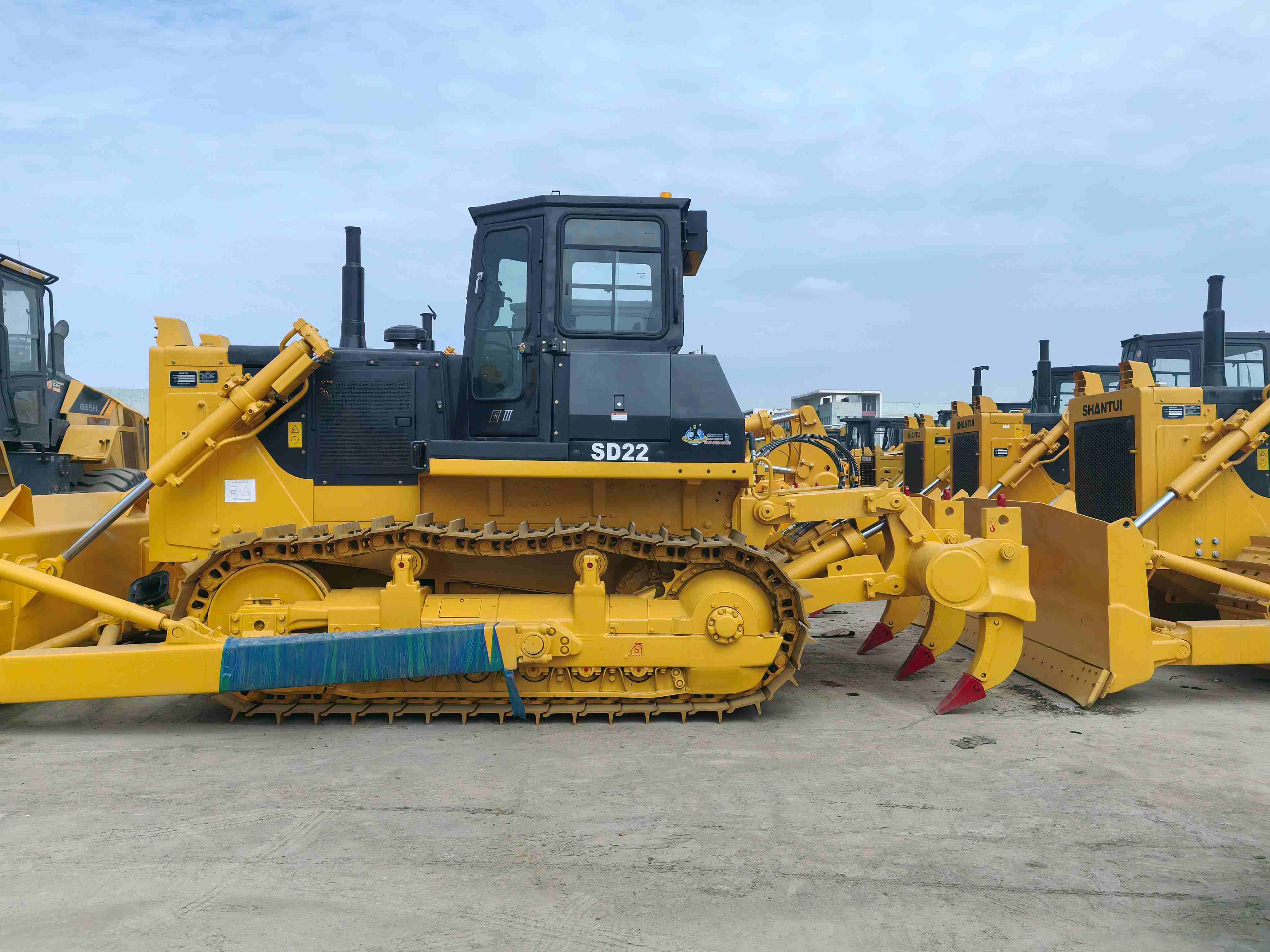
A routine glance beneath heavy machinery often misses the story told by uneven tire wear, track pad thinning, or subtle rust blooms near joints. These aren't random blemishes—they're early signals of misalignment, overloading, or lubrication breakdown that, left unchecked, snowball into hydraulic strain and structural fatigue. By mapping these patterns against usage logs, operators can pinpoint exactly where stress concentrates, distinguishing between normal degradation and the kind of accelerated wear that hints at looming component failure.
Take the diagonal scuffing on a wheel loader's tires, for example. It rarely stems from a single cause; more often, it's a dialogue between incorrect inflation and a worn-out bucket leveling mechanism. Similarly, subtle gouging on the belly pans of excavators might point to terrain-specific abrasion rather than operator error. An audit that reads these signs contextually—comparing left-side versus right-side wear, or correlating damage with recent work environments—shifts maintenance from reactive wrenching to predictive budgeting.
The payoff goes beyond avoiding downtime. A detailed undercarriage audit creates a forensic timeline that helps fleet managers negotiate better service contracts and anticipate capital expenditures with surprising accuracy. When every scratch and distortion is documented and linked to operational data, the machine's own condition becomes a credible forecast, turning the next quarter's maintenance spend from a guess into a calculation.
Hydraulic Health Checks: Spotting Weak Pumps and Cylinders Before They Fail
Catching a fading hydraulic pump or a cylinder that's losing its edge rarely happens by chance. It's the quiet observations that make the difference—the slight hesitation in a cylinder's stroke, a pump that seems to be working a little harder than usual, or a faint, irregular sound that wasn't there last week. These early signs often go unnoticed until a sudden failure forces everything to a halt, but with consistent, focused checks, you can spot the weakness long before it turns into an expensive breakdown.
A practical health check starts with the basics: fluid condition, temperature trends, and cycle times. Contaminated or degraded fluid is often the first offender, slowly eroding pump efficiency and causing uneven wear in cylinders. Monitoring how quickly a cylinder extends and retracts under a known load can reveal internal leakage or seal degradation that isn't yet visible. Pair that with a simple temperature check on the pump housing and you might catch a bearing issue or cavitation in its infancy—both of which can be addressed with minimal downtime if caught early.
Ultimately, building a feel for what 'normal' looks and sounds like on your specific equipment is what sets a proactive operator apart. No two systems age exactly the same way, and the subtle shifts in performance often tell a story that a generic maintenance schedule misses. By combining simple measurements with a trained ear and eye, you can turn hydraulic health checks into a reliable safeguard against unexpected failures, keeping your equipment running smoothly without the guesswork.
Engine Whisperers: Decoding Smoke, Shake, and Sound for Hidden Trouble
A faint blue puff from the tailpipe on startup, a subtle shimmy at idle that you feel more than hear, or that rhythmic tick that only surfaces under load—these are the whispers an engine uses to talk before it shouts. Learning to decode them isn't about memorizing a fault code chart; it's about developing a feel for the machine's baseline and noticing when the story changes. Smoke that vanishes after warmup points to valve seals rather than rings, while a shake that smooths out above 1500 rpm often lives in the mounts or balance shaft, not the rotating assembly itself.
Sound is the trickiest informant. A rod knock has a depth you feel in the floor pan, while a lifter tick stays high and tinny, and piston slap rattles cold then fades. The real skill is catching the transition—when a noise that used to fade now persists, or when a vibration moves from the steering wheel to your seat. That's the moment to investigate, not when the dashboard lights up.
The best diagnosticians treat every startup as a conversation. They roll down the window leaving a drive-through to listen for reflected knock, or palm the shifter in neutral to separate engine tremors from drivetrain. It's not magic—it's pattern recognition built on paying attention when nothing is wrong, so the first hint of trouble doesn't blend into the background noise.
Trusting the Seller, Not Just the Steel: Vet Your Supplier Like a Mechanic
When you're sourcing structural steel, it's easy to fixate on certificates and chemical compositions, but a slick test report doesn't always mean the material will hold up when it counts. Think about how a seasoned mechanic approaches a used car: they don't just read the spec sheet—they tap the rocker panels, peer under the hood with a flashlight, and maybe even take it for a hard test drive. That same hands-on skepticism should apply to your steel supplier. You're not just buying a product; you're entering a relationship that can impact project timelines, safety, and your reputation. So before you shake hands, dig into their real-world track record: visit their yard if possible, talk to previous clients about late deliveries or surprise extra charges, and watch how they react when you ask the tough questions. A supplier who respects your due diligence is often one who respects the trade itself.
The parallels between vetting a mechanic and vetting a steel supplier run deeper than surface-level checks. A mechanic doesn't just trust a flashy online review; they know that the best shops are often hidden gems with a queue of loyal customers, not the ones pouring money into ads. Similarly, a reliable fabricator or mill might not have the shiniest brochure, but they'll have a paper trail of consistent orders, transparent lead times, and a reputation for handling mishaps without disappearing. Pay attention to the unspoken signals: Does their sales rep remember your project specifics from the last call, or do you have to re-explain everything from scratch? Are their responses timely and detailed, or do you get vague promises? These soft factors often predict how the hard conversations will go when a shipment gets held at the port or a beam arrives with unexpected camber. Just as you'd trust a mechanic who shows you the worn-out part they replaced, a good supplier will walk you through the entire journey of your order, from mill origin to final delivery, without flinching.
Ultimately, due diligence isn't about finding a perfect supplier—it's about understanding the risks and making an informed bet. In both auto repair and steel procurement, the cheapest option often comes with hidden costs, like subpar protective coatings that fail early or delivery schedules that drift by weeks. Instead of chasing the lowest price per ton, seek out suppliers who act like partners: they stock common sizes for quick turnaround, they're upfront about surcharges, and they treat your small trial order with the same attention as a bulk contract. A mechanic worth his salt will let you watch the diagnostic process; a steel supplier worth your trust will be transparent about their sourcing, tolerances, and contingency plans. When you build that kind of relationship, you're not just buying steel—you're buying peace of mind for every project that follows.
Steering Clear of the Hour Meter Trap: What Real Usage Looks Like on a Pre-Owned Dozer
An hour meter reading can be a tempting shortcut when evaluating a used dozer, but treating it as the primary indicator of machine health is a mistake. These counters are often disconnected, replaced, or simply fail over decades of service. Even if the number looks accurate, it tells you nothing about the intensity of those hours. A dozer that idled through thousands of days on a sprawling ranch may have completely different wear patterns than one that spent half its recorded hours pushing rock in a quarry.
The truth about a dozer’s past usually reveals itself in the details that meters miss. Look at the undercarriage with a critical eye—uneven track wear, scalloped sprockets, or freshly painted components that don’t match the surrounding metal should make you curious. Peek under the belly pans for caked-on dirt or signs of recent pressure washing that might hide leaks. Don’t ignore the blade either; rounded cutting edges and weld repairs hint at relentless impact, while a straight, clean blade on an older machine might suggest lighter duty or recent replacement.
Operator care leaves its own signature. Worn pedal grips, a sloppy joystick pivot, or a cab filled with dust and broken switches often point to a harder life than the seller admits. Fluid samples can settle debates in minutes: high silicon levels scream air filtration neglect, while excessive iron or copper particles warn of internal damage that no hour meter could forecast. Instead of anchoring your judgment to a single digit, assemble these clues. They tell the unvarnished story of real usage—and that’s the only story that matters.
FAQ
Start with the undercarriage—it's often the most expensive repair. Look for uneven wear on tracks, sprockets, and idlers. Also check for leaks around the final drives and hydraulic cylinders.
It depends on maintenance, not just the meter. A well-kept machine with 8,000 hours can outlast a neglected one with 3,000. Always verify service records and avoid units that spent most of their life in harsh, rocky applications.
Caterpillar and Komatsu tend to have widespread parts availability and strong resale support, but a clean Deere or Case machine with local dealer backup can be just as reliable. Judge the individual machine's condition over badge loyalty.
Cold-start the dozer and listen for any knocking or excessive smoke. Then run it at full throttle while checking for smooth shifting and power. A quick oil analysis can also reveal hidden internal wear.
A fresh coat of paint might hide cracks or weld repairs. Look closely at the frame and blade for signs of stress, and don't be afraid to ask the seller directly about any past damage or major repairs.
A straight blade is great for fine grading, while a semi-U or U-blade moves more material. Make sure the blade matches your typical job needs, and inspect the cutting edges and end bits for excessive wear.
Request the VIN and run it through equipment history services. Contact past owners if possible, and ask for maintenance logs. A few extra hours of research can save thousands in hidden repairs.
Transportation and rigging costs. People focus on the purchase price but forget that moving a heavy dozer can add significant expense, especially if it's located far from your job site.
Conclusion
When buying a used bulldozer, the glossy paint might catch your eye, but the real story lies in the service records. A well-documented maintenance history reveals whether the machine has been consistently cared for, highlighting repairs, fluid changes, and part replacements that even a fresh coat of paint can't hide. Spending time to audit the undercarriage is equally essential—uneven track wear, sprocket tooth condition, and roller play can forecast major expenses down the line. Don’t stop there; a thorough hydraulic health check is a must. Listen for sluggish cylinder movement, check for leaks, and test pump pressures. Weak components in this system can cripple productivity and lead to costly failures, so catching them early saves both money and downtime.
Equally important is the engine’s condition, which often communicates through subtle signs. Blue smoke might indicate oil burning, black smoke could point to over-fueling, and unusual vibrations or knocks often spell internal wear. Trust your senses, but also verify the numbers. Hour meters can be deceptive—they’re easily tampered with or misrepresent actual workload. Look for wear on pedals, seat condition, and overall frame integrity to gauge real usage. Beyond the machine itself, the supplier’s reputation matters just as much as the steel. Vet them like a mechanic would: ask for references, review their warranty policies, and observe their transparency. A reliable dealer stands behind their dozers and provides honest histories, giving you confidence that your purchase will deliver on the job site for years to come.
Contact Us
Contact Person: Sally Xiao
Email: [email protected]
Tel/WhatsApp: 086-18221477398
Website: http://www.shjiliangchi.com/