

Water Chiller Selection Guide: Tips for Optimal Performance and Efficiency
2026-04-23
Choosing the right water chiller is more than just a technical decision—it's a strategic investment in efficiency and reliability. As industrial and commercial demands evolve, ensuring your systems perform optimally can save energy, reduce costs, and minimize downtime. In this guide, we'll walk you through key tips and considerations for selecting a water chiller that meets your specific needs, from sizing and efficiency ratings to maintenance and future-proofing. At Worldbase, we're committed to helping you make informed choices that drive performance. Whether you're upgrading an existing system or planning a new installation, this blog will equip you with practical insights to navigate the selection process confidently. Ready to dive in and discover how to maximize your chiller's potential? Let's get started.
Understanding the Fundamentals of Chiller Efficiency
Chiller efficiency forms the backbone of modern HVAC systems, playing a crucial role in energy management and operational costs across various sectors. At its core, efficiency in chillers is measured by key metrics like Coefficient of Performance (COP) and Energy Efficiency Ratio (EER), which assess how effectively a unit converts electrical input into cooling output. These fundamentals are essential because they directly impact utility bills and environmental footprints, making efficiency not just a technical concern but a strategic business priority. For instance, a system with a high COP can deliver more cooling per unit of energy, translating to significant long-term savings and reduced greenhouse gas emissions.
Factors influencing chiller efficiency extend beyond basic metrics to include design elements and operational conditions. The type of compressor—be it centrifugal, screw, or scroll—affects performance under varying loads, with modern variable-speed drives enhancing adaptability. Additionally, the refrigerant choice, such as transitioning to low-global warming potential options, influences both efficiency and sustainability. Regular maintenance, like cleaning condenser tubes and monitoring refrigerant levels, is vital to prevent degradation over time. Real-world applications show that even minor improvements, such as optimizing water flow rates or implementing advanced controls, can boost efficiency by up to 20%, underscoring the importance of a holistic approach.
To truly stand out, it's important to recognize that efficiency isn't static; it evolves with technological advancements and smart integration. Innovations like magnetic bearing compressors reduce mechanical losses, while IoT-enabled systems allow for real-time monitoring and predictive maintenance, ensuring peak performance. By focusing on these fundamentals, stakeholders can make informed decisions that balance upfront costs with lifecycle benefits, ultimately driving smarter, greener cooling solutions.
Selecting the Right Chiller for Your Specific Application
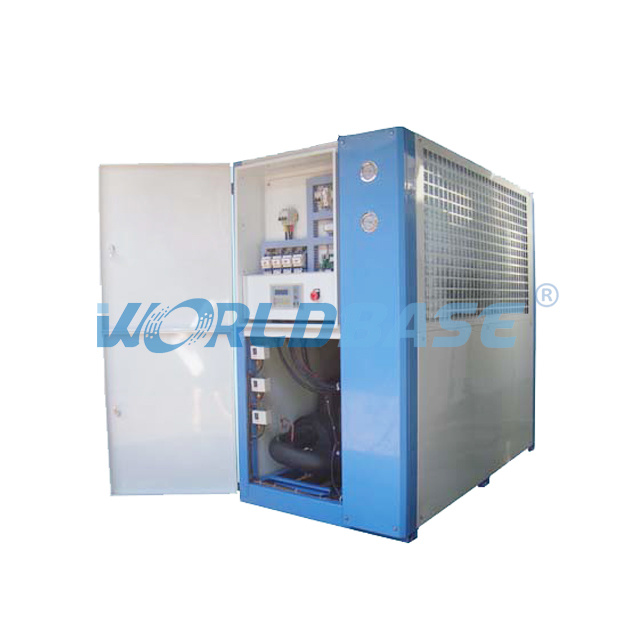
Finding the perfect chiller isn't just about picking a model off the shelf – it's about matching the system's capacity, efficiency, and design to your unique operational demands. Whether you're cooling a laser in a manufacturing plant or maintaining precise temperatures in a laboratory, the wrong choice can lead to costly downtime, energy waste, or inconsistent performance. Start by assessing factors like ambient conditions, load requirements, and available space; a chiller that excels in one setting might falter in another if these elements aren't carefully considered.
Beyond basic specs, think about the long-term implications of your selection. For instance, air-cooled chillers might save on water usage in arid regions, but they can be noisier and less efficient in high-temperature environments. On the other hand, water-cooled units often offer greater efficiency and quieter operation, though they require access to a water source and more maintenance. Don't overlook emerging options like modular or hybrid systems, which provide flexibility to scale up as your needs evolve, potentially saving you from premature replacements.
To truly stand out, prioritize chillers with smart features that adapt to real-time conditions, like variable speed drives or IoT connectivity, which can optimize energy use and predict maintenance needs. Remember, the best fit isn't always the most expensive or advanced model; it's the one that balances performance, reliability, and cost-effectiveness for your specific application. Consulting with experts and reviewing case studies from similar industries can offer invaluable insights, helping you avoid common pitfalls and ensure a seamless integration into your setup.
Key Factors in Sizing and Capacity Determination
When tackling sizing and capacity determination, one of the first considerations is understanding the anticipated demand and usage patterns. This isn't just about peak loads—it involves analyzing seasonal fluctuations, user behavior trends, and potential growth over time. For instance, in a retail setting, you'd look at sales data across different periods, while in tech, server traffic logs offer insights. By mapping out these dynamics, you can avoid the pitfalls of under-provisioning, which leads to bottlenecks, or over-provisioning, which wastes resources and inflates costs.
Resource requirements play a crucial role, too. This goes beyond raw numbers like storage or processing power; it includes factors like bandwidth, memory allocation, and compatibility with existing systems. In cloud environments, for example, you might assess instance types and their scalability options, whereas in manufacturing, it could be about machinery throughput and maintenance schedules. Balancing these elements ensures that the solution not only meets current needs but can adapt as technologies evolve or business priorities shift.
Cost-efficiency and performance trade-offs are often the deciding factor in sizing decisions. It's a delicate dance—investing in high-capacity hardware might boost speed but strain budgets, while opting for cheaper alternatives could compromise reliability. By conducting thorough cost-benefit analyses and considering long-term operational expenses, teams can strike a balance that optimizes both financial outlay and user satisfaction, making the capacity determination process more strategic and less about guesswork.
Maintenance Best Practices for Long-Term Performance
Keeping your systems running smoothly over the years isn't just about fixing problems when they pop up—it's about anticipating wear and avoiding breakdowns altogether. Many organizations fall into the trap of reactive maintenance, where they only address issues once they've become critical, leading to costly downtime and potential data loss. To truly safeguard long-term performance, a proactive approach is essential. This means establishing regular check-ups, monitoring key indicators like CPU usage and memory leaks, and scheduling updates during off-peak hours to minimize disruption. By shifting from a firefighting mindset to one of prevention, you can extend the lifespan of your infrastructure and maintain a consistent user experience.
Documentation often gets overlooked, but it's a cornerstone of sustainable maintenance. Without clear records of past repairs, configuration changes, or software versions, troubleshooting becomes a guessing game that wastes time and resources. Create a living document that logs every adjustment, no matter how minor, and make it accessible to your entire team. This historical insight helps identify recurring patterns—like that server that always acts up after a quarterly update—allowing you to address root causes rather than just symptoms. It also speeds up onboarding for new team members, ensuring continuity in your maintenance efforts.
Another key practice is to keep your tools and processes flexible. Technology evolves rapidly, so sticking rigidly to old methods can leave you behind. Regularly review your maintenance strategies: Are those automated scripts still efficient, or could they be optimized? Is there a new monitoring tool that offers better insights? Encourage feedback from the front-line technicians who handle day-to-day operations—they often spot inefficiencies first. By staying adaptable and open to change, you can future-proof your maintenance routine, making it resilient to emerging challenges and ensuring peak performance for the long haul.
Evaluating Energy-Saving Features and Innovations
When assessing energy-saving aspects in modern technologies, it's crucial to look beyond basic efficiency metrics. Innovations often blend smart design with material science, such as using advanced insulation or adaptive systems that respond to real-time usage patterns. This holistic approach not only reduces energy consumption but also enhances durability and user convenience, making sustainability a seamless part of everyday life.
Cutting-edge advancements are redefining what we consider "energy-saving." For instance, some solutions now incorporate AI-driven optimizations that learn from environmental data to predict and adjust energy needs, minimizing waste without sacrificing performance. This shift towards predictive maintenance and personalized settings showcases how innovation is moving from passive conservation to active, intelligent management.
Moreover, evaluating these features demands attention to broader impacts, like lifecycle analysis and integration with renewable energy sources. By emphasizing these interconnected elements, stakeholders can better gauge true efficiency gains and foster developments that contribute meaningfully to long-term environmental goals, setting a new standard in the industry.
Integration and Installation Considerations
When planning your setup, think about how the new system will mesh with existing tools. It's not just about compatibility—consider workflows and data flows too. Will it require custom connectors or APIs? Sometimes, the simplest installations become complex if integration points aren't mapped out early. A smooth handoff between systems often hinges on these details, so involve your team from the start to spot potential friction points.
Installation might seem straightforward, but don't overlook environmental factors like server capacity or network stability. We've seen cases where performance lagged due to overlooked hardware specs. Also, consider user adoption—training and support during rollout can make or break the experience. It's worth scheduling a phased implementation to catch issues before they scale.
Beyond technical checks, factor in ongoing maintenance. Who will handle updates or troubleshoot integrations? Setting clear ownership avoids confusion later. Plus, think about scalability; a solution that works today might strain under future growth. A little foresight here saves headaches down the road, ensuring your investment pays off long-term.
FAQ
Focus on cooling capacity, energy efficiency, compatibility with your system, and environmental factors like temperature and humidity to ensure the chiller meets specific needs without overworking.
Regular maintenance, such as cleaning coils and checking refrigerant levels, along with using variable speed drives and ensuring proper insulation, can significantly boost efficiency and reduce operational costs.
Avoid improper sizing, insufficient ventilation, and neglecting manufacturer guidelines, as these can lead to reduced performance, higher energy use, and premature failure.
Calculate based on heat load requirements, considering factors like process heat, ambient conditions, and future expansion to select a chiller that's neither under- nor oversized.
Schedule routine inspections, water treatment to prevent scaling, and timely part replacements to prevent breakdowns and maintain optimal performance over years of use.
Yes, many manufacturers offer options like corrosion-resistant materials, specialized controls, or integration with existing systems to tailor chillers for unique applications.
Higher ambient temperatures can reduce efficiency; select chillers with robust designs or additional cooling features if operating in hot climates to maintain consistent performance.
Conclusion
Selecting the optimal water chiller goes beyond just picking a unit—it's about understanding efficiency fundamentals like COP (Coefficient of Performance) and temperature differentials, which directly impact energy consumption and operational costs. Key factors in sizing and capacity determination ensure the chiller matches your specific application demands, avoiding underperformance or wasteful oversizing. By evaluating energy-saving features such as variable speed drives and advanced controls, you can integrate innovations that enhance long-term sustainability. This holistic approach ensures that your selection is not only technically sound but also tailored for peak performance from the outset, laying a foundation for efficient operation.
To maintain this efficiency, regular maintenance best practices are crucial, including routine inspections and preventative care that prevent downtime and extend equipment lifespan. Integration and installation considerations, such as proper placement and compatibility with existing systems, further optimize performance by minimizing operational hicceps. By blending these aspects—from initial selection through ongoing upkeep—you can achieve a water chiller setup that maximizes reliability and cost-effectiveness. This guide emphasizes a proactive strategy, turning theoretical insights into practical gains for any industrial or commercial setting seeking optimal chilling solutions.
Contact Us
Contact Person: Mr Yang
Email: [email protected]
Tel/WhatsApp: +8613809083091
Website: https://en.worldbase.cn