

Waxed Corrugated Boxes Supplier: A Comprehensive Guide to Quality Packaging
2026-07-03
In today’s fast-paced shipping industry, the humble corrugated box does much more than hold products—it protects brand reputation, reduces waste, and shapes customer experience. Yet, finding a supplier that consistently delivers strength, custom fit, and eco-friendly solutions can be a challenge. That’s where ShiTeng Packaging stands apart. From single-wall mailers to heavy-duty double-wall containers, we blend precision engineering with sustainable materials to create waxed corrugated boxes that keep your goods safe and your operations smooth. Dive into this guide and see how the right packaging partner transforms your supply chain from ordinary to exceptional.
The Hidden Weaknesses of Regular Corrugated Boxes in Cold Storage
Standard corrugated boxes might seem sturdy enough at room temperature, but cold storage exposes their fragility. As temperatures drop, the cellulose fibers that give paperboard its strength lose resilience. The material stiffens unevenly, and the flute structure that normally cushions contents begins to collapse under compressive loads. Boxes that held up fine in a dry warehouse can deform or rupture once stacked in a cooler, especially when humidity condenses on the surface and weakens the fiber bonds.
Moisture is the silent enemy here. Even though corrugated board can handle brief exposure to damp conditions, prolonged contact with the condensed moisture common in refrigerated environments seeps into the liners and medium. The box literally softens from the inside out. Edge crush values plummet, and what was once a reliable container turns into a soggy liability. Many operators fail to account for the cyclical effect: boxes warm slightly during loading or sorting, absorb moisture, then refreeze into brittle, weakened forms.
Another overlooked factor is how adhesives react in low temperatures. The glues used in regular boxes can become brittle or lose tack, causing flaps to unseal and seams to split. Even a fraction of a millimeter of separation compromises the box's structural integrity. Combined with the reduced compression strength, these failures lead to toppled stacks, product damage, and safety hazards in walk-in freezers. It's a cascade of seemingly minor flaws that, under the right—or rather, wrong—conditions, spells disaster for any cold chain operation.
Choosing a Supplier That Understands Your Product’s Journey
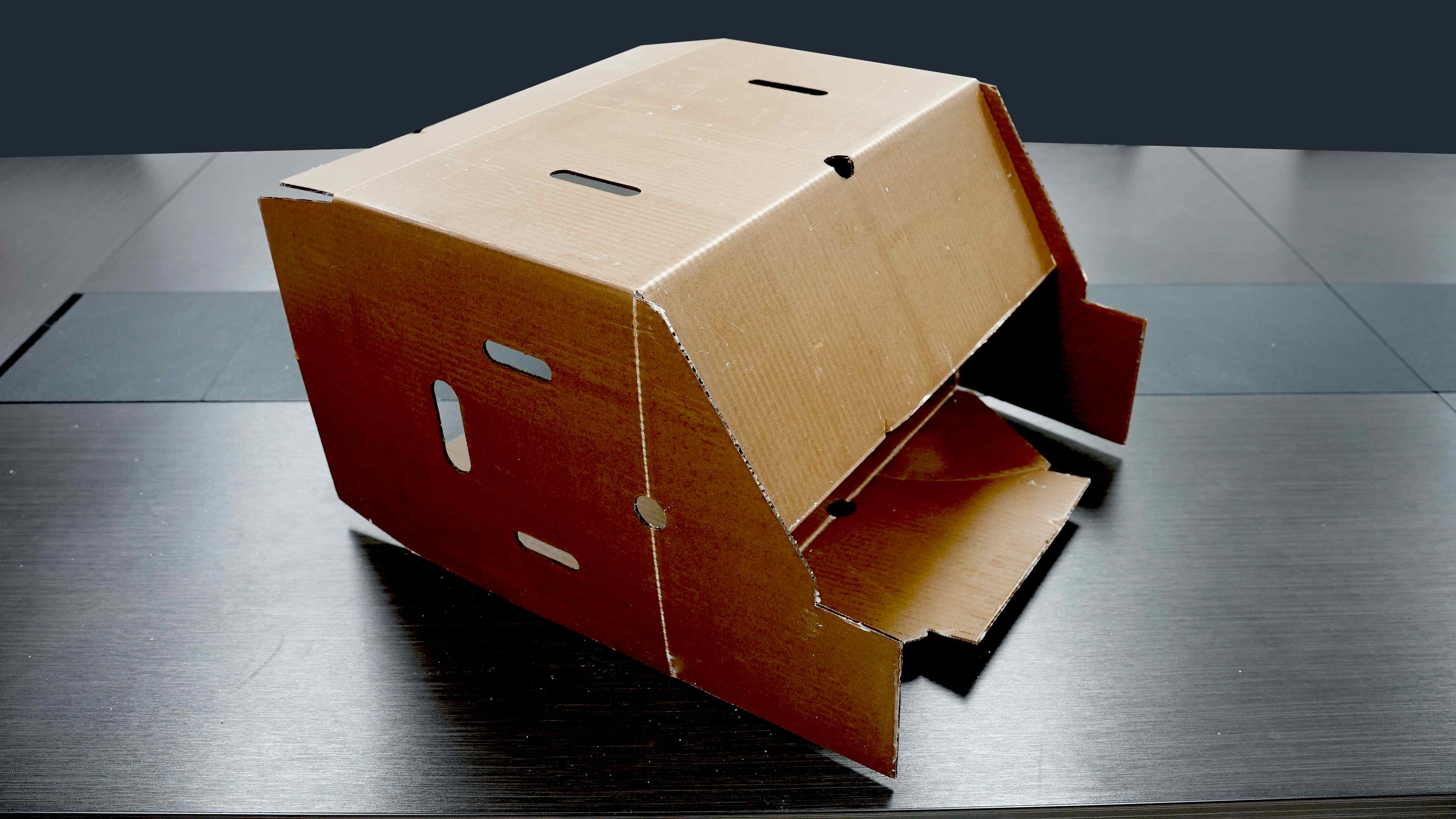
The right supplier doesn't just manufacture; they immerse themselves in how your product will be handled from assembly line to end user. They ask about packaging drop tests before you mention them, anticipate customs bottlenecks in your target regions, and factor in the wear-and-tear of specific shipping routes. This kind of thinking transforms a transactional relationship into a proactive partnership where surprises are rare.
Too often, companies get stuck with suppliers who see their job as done once the pallets leave the dock. What happens next—the vibrations in a container crossing the Pacific, the humidity inside a warehouse in Singapore, the rough handling at a last-mile depot—never enters the conversation. A supplier that genuinely follows your product's journey will adjust materials, reinforce weak points, and suggest packaging changes that protect your margins and your reputation downstream.
It's the difference between a vendor who ships boxes and a partner who ships confidence. When you're evaluating suppliers, present them with a scenario: ask how they would redesign a component if they knew it would spend three weeks in a non-climate-controlled container. Listen for details that go beyond their shop floor. The answer will tell you everything you need to know about whether they understand the full arc your product travels.
Wax Coating Types: Which One Suits Your Perishable Goods?
Choosing the right wax coating for perishable items isn’t just about making them look glossy on the shelf—it directly impacts shelf life, moisture retention, and even how they withstand handling. Carnauba wax, often called the ‘queen of waxes’, creates an incredibly hard, durable finish that’s ideal for fruits and vegetables with tougher skins, like apples or citrus. It forms a semi‑permeable barrier that slows down moisture loss while still allowing the produce to breathe, preventing that dreaded soggy texture.
For softer goods like cheeses or delicate berries, paraffin‑based blends are a common go‑to, mostly because they’re cost‑effective and provide a reliable seal. However, if you’re aiming for an all‑natural label, beeswax coatings are gaining ground; they add a subtle, earthy sheen and are fully edible, which appeals to clean‑label shoppers. Just keep in mind that beeswax is softer and may need reapplication after heavy handling or washing.
There’s also the world of polyethylene waxes, which are synthetic but offer unmatched flexibility and resistance to temperature changes—great for goods that go through cold chain logistics or encounter condensation. The trick is matching the coating’s breathability, gloss, and durability to the specific respiration rate and fragility of your product. A mismatch here can do more harm than good, trapping ethylene gas or cracking under pressure.
Real-World Failures That Led Businesses to Switch to Waxed Boxes
A regional produce distributor watched helplessly as an entire shipment of tomatoes arrived at a grocery chain with soggy bottoms and peeling corners. They had relied on standard corrugated boxes, but condensation from the cold chain turned the packaging into pulp. The retailer rejected the load, and the distributor faced a six-figure loss overnight. That single incident pushed them to explore waxed alternatives, which held up against moisture and maintained structural integrity from field to shelf.
In the e‑commerce sector, a subscription meal kit company faced a wave of customer complaints when their boxes disintegrated on doorsteps after an unexpected rain shower. The branding was unrecognizable, ingredients were exposed, and social media filled with unboxing horror stories. Switching to a water‑resistant waxed box wasn’t just about durability—it became a crucial move to protect brand reputation and reduce refunds. The change cut spoilage claims by nearly half within the first quarter.
Even a craft brewery found themselves in a bind when condensation from cold cans weakened their custom‑printed shippers. Retailers began returning shipments with crushed corners and illegible labeling, making inventory tracking impossible. After trial runs with waxed stock, they not only eliminated in‑transit damage but also found that the surface held vibrant print better, even when wet. What started as a packaging failure turned into a brand differentiator, all because real‑world conditions demanded a smarter box.
Questions to Ask Before Signing a Long-Term Packaging Contract
Locking into a multi-year packaging agreement can stabilize costs and supply, but it also comes with risks that aren't always obvious at the signing table. Beyond unit pricing, you need to scrutinize the fine print around material sourcing, production flexibility, and what happens when your volume forecasts miss the mark. If your business has seasonal spikes or plans to launch new product lines, a rigid contract can quickly become a bottleneck rather than a safeguard.
One area worth digging into is how the supplier manages their own raw material supply chain and whether they pass sudden cost fluctuations directly to you. Ask for concrete examples of how they've handled past disruptions—like resin shortages or logistics snarls—and whether there's a built-in mechanism for adjusting specifications without triggering a renegotiation. Also, verify how they calculate waste, overruns, or underruns, because those percentages can quietly erode your budget over time.
Finally, pay attention to the exit and renewal terms. Some contracts auto-renew with price hikes unless you give notice within a narrow window, which can trap you in a deal that no longer fits. Clarify ownership of tooling, artwork, and any custom molds upfront, so you're not held hostage if you decide to move to another vendor. A contract that looks like a partnership on day one should still feel that way three years in—if it doesn't, you'll be glad you asked the tough questions early.
Beyond the Box: Added Services Your Supplier Should Offer
A supplier who merely delivers a product and vanishes until the next order cycle is no longer enough. Look for partners that bring strategic value beyond the physical shipment—think inventory forecasting that aligns with your sales cycles, customized labeling or packaging that saves you operational hassle, or even collaborative product development insights gleaned from their broader market exposure. These extras can transform a transactional vendor into a genuine extension of your team, reducing friction in your supply chain before it even reaches your doorstep.
It’s also worth probing how a supplier handles the unexpected. Do they proactively alert you to raw material fluctuations that might impact cost or lead time? Can they pivot to a different logistics option if a shipping route gets disrupted? The best suppliers treat your business like their own, suggesting alternatives or improvements without being prompted. This level of engagement often shows up as early-warning systems, flexible warehousing solutions, or even assistance with navigating regulatory changes in new markets.
Finally, consider the softer yet critical services: accessible technical support that understands your product inside out, quality assurance processes that catch issues before they escalate, and a genuine willingness to educate your team on material choices or production methods. When a supplier invests in your long-term success through these added layers, the relationship moves from a simple transaction to a competitive advantage you can lean on as you scale.
FAQ
Waxed corrugated boxes are essentially standard corrugated containers that have been treated with a wax coating, either on the surface or impregnated into the paper fibers. This coating creates a moisture-resistant barrier that regular cardboard simply doesn't have. While typical boxes can weaken or collapse when exposed to humidity, condensation, or direct contact with damp items, waxed versions stay sturdy and hold their shape. They're commonly used for shipping produce, meat, seafood, and other goods that generate moisture. The coating also provides some resistance to grease and can improve stacking strength in cold storage environments.
The main draw is durability under challenging conditions. If your products are heavy, moist, or need to be stored in refrigerated environments, waxed boxes offer much better performance than untreated options. They resist water absorption, reduce the risk of box failure during transit, and can often be reused several times depending on the condition. For businesses shipping fresh produce or frozen goods, this can mean lower spoilage rates and fewer customer complaints about damaged packaging upon arrival.
Look beyond basic sales pitches and check how the supplier handles technical details. A dependable supplier will ask about your specific use case—like storage temperatures, product moisture levels, and stacking requirements—instead of offering one-size-fits-all solutions. Check if they can provide samples for real-world testing, and ask about their wax application methods (cascaded wax, curtain coating, or impregnation) since this affects performance. Consistency in board quality, adhesion, and printability are also signs of a manufacturer that invests in process control. Don't overlook lead times and their ability to handle fluctuating order volumes.
Food and agriculture sectors are the primary beneficiaries. Produce growers and distributors rely on them for items like broccoli, lettuce, and berries that release moisture. Meat and poultry processors need boxes that resist blood and fluid penetration. Seafood exporters use them heavily for ice-packed shipments. Beyond food, industries like chemicals, automotive parts (where oily components are involved), and even outdoor equipment can benefit from the damp-resistant properties. Essentially, any sector where packaging faces moisture, humidity, or rough handling during transport may find waxed boxes valuable.
Traditional paraffin-based wax coatings do pose challenges for recycling because the wax doesn't separate easily from the paper fibers in standard mills. This often means the boxes end up in landfills. However, many suppliers now offer repulpable or recyclable wax alternatives, such as water-based coatings or metallocene waxes, which can be processed through conventional recycling streams. If sustainability matters to your company, ask for certified recyclable options or look into using high-moisture-resistant virgin fiber boards that don't need wax. Some suppliers also offer take-back programs for used boxes.
Absolutely, and customization is common. Most suppliers can produce boxes in almost any size, with die-cut options for trays, dividers, or custom inserts. Printing on waxed surfaces can be trickier because the coating reduces ink adhesion, but many shops use special flexographic inks or apply branding before the wax coating step. You can typically choose from single-color stenciling to multi-color graphics, depending on your budget. Structural customization like vent holes for airflow, hand holes for easier carrying, or reinforced corners for extra strength are also frequently offered.
The main cost drivers are paperboard grade, wax type, application method, box size, and order volume. Higher-performance boards (like wet-strength liners) and food-grade coatings add to the price. Ad-hoc sizes and low quantities will cost more per unit. To control spending, try standardizing sizes where possible, forecasting demand to allow for full truckload orders, and working with the supplier to find the most cost-efficient waxing process for your needs. Sometimes a lighter wax coating or a coated one-side application is enough, reducing material cost without compromising function for your specific use case.
Conclusion
Regular corrugated boxes often fail in cold storage, where moisture and condensation rapidly degrade their strength, leading to collapsed stacks and spoiled goods. This hidden weakness becomes a costly problem for businesses shipping perishables, as damp environments turn ordinary cardboard into a liability. To avoid such disasters, it's not just about switching to waxed boxes—it's about finding a supplier who truly grasps the physical journey your products take, from packing house to final destination. The right partner will analyze your cold chain, recommend the appropriate wax coating (whether a light curtain coat for mild chill or a heavy impregnated wax for deep freeze), and back it up with real-world case knowledge. Many companies only make the switch after a painful failure: a shipment of fresh produce ruined by box collapse, or seafood packaging that disintegrated mid-transit. These stories aren't rare; they're the norm when packaging doesn't match the rigors of the supply chain.
Before you commit to a long-term contract, ask hard questions: How do they test their waxed corrugated boxes under your specific humidity and temperature conditions? Can they provide samples for trial shipments, and what's their contingency plan if a batch doesn't perform? Beyond the box itself, a top-tier supplier offers services that streamline your operations—inventory management, custom printing that survives condensation, or just-in-time delivery to your pack-house. They don't just sell cardboard; they deliver a system that keeps your perishables intact and your brand reputation solid. The best suppliers view your success as their own, acting as problem-solvers rather than order-takers. That's the difference between a transactional vendor and a strategic partner in quality packaging.
Contact Us
Contact Person: Mr. Ge Man
Email: [email protected]
Tel/WhatsApp: 8613710506492
Website: https://www.shitengzx.com